featured News

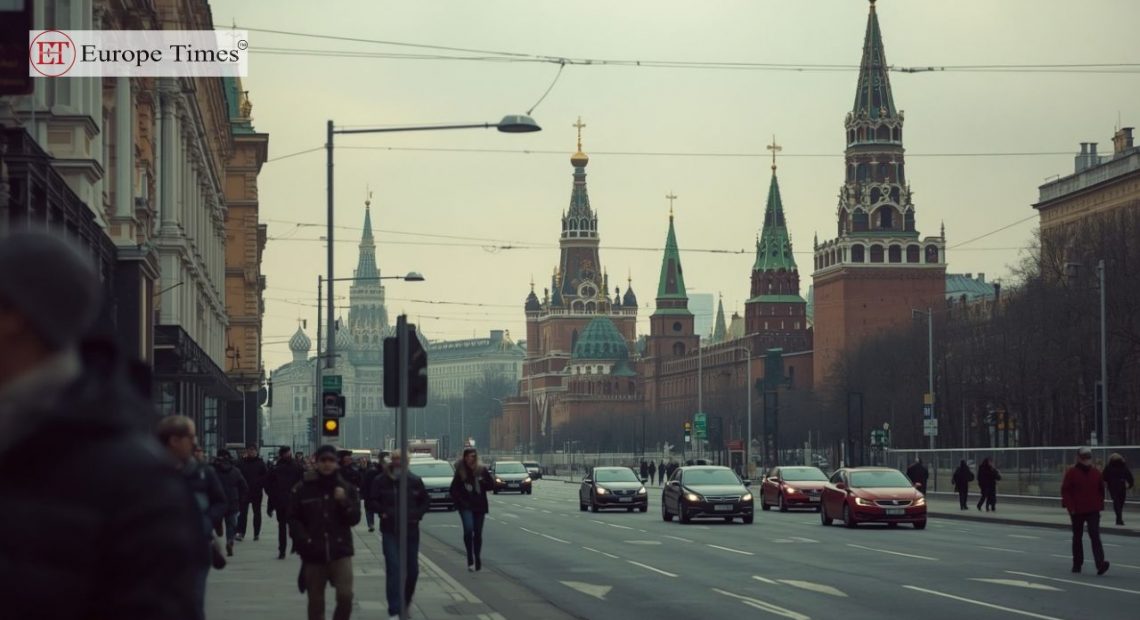
Hungarian Prime Minister Viktor Orban has once again broken ranks with his EU and NATO partners by meeting Russian President Vladimir Putin in Moscow, just days before US-Russia discussions on the Ukraine war. Orban, one of Putin’s closest allies in Europe, has consistently opposed European efforts to isolate Russia, and his latest visit drew sharp criticism from EU leaders. Germany’s Chancellor Friedrich Merz said Orban was acting without any European mandate, calling his diplomacy “nothing new.”

During the meeting, Putin thanked Orban for offering Budapest as a venue for a potential Trump-Putin summit and praised Hungary’s “balanced position” on Ukraine. Hungarian Foreign Minister Peter Szijjarto said the visit secured guarantees for Russian oil and gas supplies and confirmed continued work on Hungary’s Paks nuclear plant. The atmosphere, however, appeared tense, with reports of awkward interactions and suggestions from Hungarian media of mistranslated remarks meant to paint a friendlier picture.

Orban, facing a tough parliamentary election next April, is seen as using these high-profile diplomatic moments to strengthen his political standing. He continues to champion Trump’s proposed peace plan for Ukraine while accusing EU leaders of warmongering. Despite pressure from Brussels to cut dependence on Russian energy by 2027, Hungary still relies heavily on Russian oil, gas, and nuclear fuel. As Putin openly supports Orban’s re-election, both leaders appear aligned in leveraging the visit for political advantage.

Pic Courtesy: google/ images are subject to copyright

featured News

Ukrainian President Volodymyr Zelenskiy has vowed that he will not sacrifice Ukraine’s national interests in negotiations being pushed by the United States, saying the country faces one of the most difficult and dangerous moments in its history. Speaking in a video address, Zelenskiy warned that Kyiv may be forced to choose between preserving national dignity and risking the loss of a major international ally.

A 28-point peace plan proposed by Washington reportedly includes conditions that align with some of Russia’s demands, including ceding more territory, reducing Ukraine’s military strength, and blocking Ukraine from joining NATO. Sources told Reuters that the U.S. has signaled it may cut crucial support if Kyiv refuses to accept the framework.

Zelenskiy said he would continue working with the United States but anticipates increased political pressure in the coming week. Meanwhile, Russia continues to intensify military strikes and advance on the battlefield, as Ukraine confronts internal turmoil following a high-profile corruption scandal involving senior officials and business leaders.

Pic Courtesy: google/ images are subject to copyright

featured News

Ukrainian President Volodymyr Zelensky has said he is prepared to work with the United States on what he called “their vision” for ending the war with Russia, following reports of a leaked draft peace proposal shaped during meetings between US special envoy Steve Witkoff and Russian representative Kirill Dmitriev. The plan, which has drawn global attention, suggests Ukraine would cede parts of the Donetsk region still under its control, reduce the size of its military, and commit not to join NATO—terms Kyiv has previously rejected.

The White House insists Ukraine has been included in discussions, pushing back against criticism that negotiations happened behind its back. The draft emerged as Russia reported small territorial gains in eastern Ukraine and as Zelensky faces a domestic political crisis linked to a $100 million corruption scandal. In a televised address, Zelensky confirmed that US military officials had presented points of a peace proposal in Kyiv, stressing that Ukraine seeks a “real peace… one that will not be broken by a third invasion.”

The plan has triggered concern among European leaders, who say they were excluded from early talks. Germany’s foreign minister described the US proposal as only a “list of topics and options” rather than a complete agreement. While Washington claims the draft is balanced and acceptable to both sides, Kyiv maintains that any peace must protect Ukraine’s sovereignty and dignity. The debate unfolds as fighting continues, including recent deadly Russian attacks in Zaporizhzhia and Ternopil, and as the fourth anniversary of Russia’s full-scale invasion approaches.

Pic Courtesy: google/ images are subject to copyright

featured News

Poland activated its air defence and scrambled fighter jets early Wednesday after Russia launched a wave of airstrikes on western Ukraine, close to the Polish border. The Polish Armed Forces said quick-reaction fighter jets and an early-warning aircraft were deployed to secure national airspace.

In a statement on X, Poland’s operational command confirmed that ground-based air defence units and radar systems were raised to their highest state of readiness amid heightened tensions along NATO’s eastern flank.

The response followed widespread air raid alerts across Ukraine around 0400 GMT, as the Ukrainian Air Force warned of incoming Russian missile and drone attacks.

Pic Courtesy: google/ images are subject to copyright

featured News

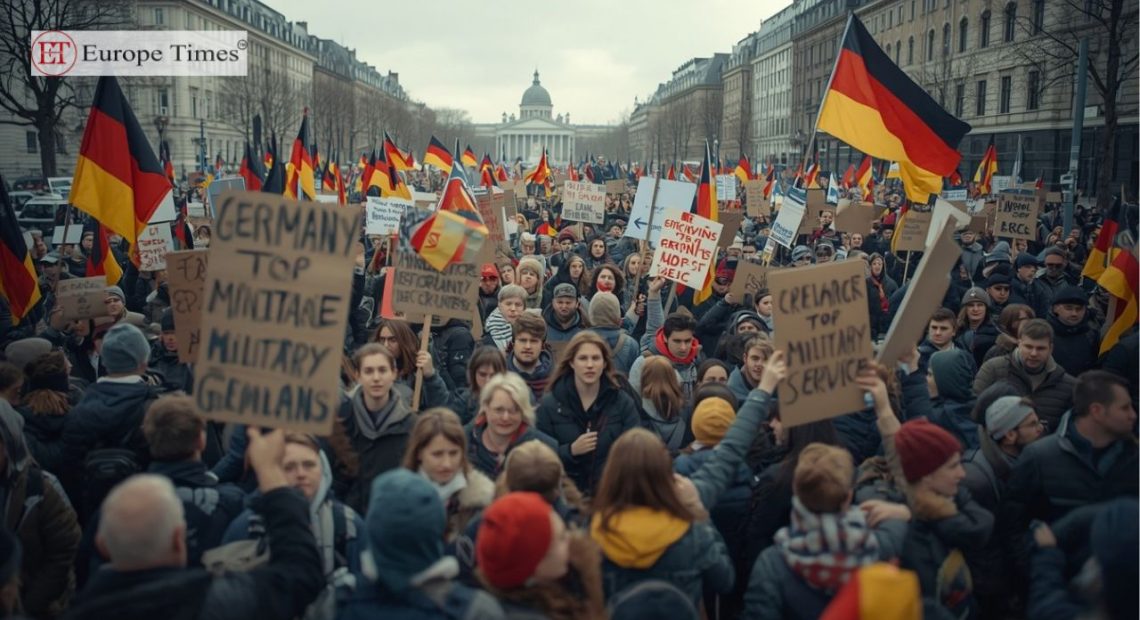
Germany’s coalition government has agreed on a new military service plan aimed at significantly expanding the Bundeswehr amid growing security concerns in Europe. Starting next year, all 18-year-old men will be required to complete a military service questionnaire, with women participating voluntarily. From 2027, mandatory medical examinations for men will follow. The plan is designed to help Germany build Europe’s strongest conventional army and could pave the way for compulsory enlistment if targets aren’t met.

The government aims to boost active troop strength from around 182,000 to as many as 260,000 by 2035, supported by an additional 200,000 reservists. Defence leaders—including Rheinmetall CEO Armin Papperger—believe the goal is achievable within five years, especially as NATO pressures member states to strengthen defence capabilities in response to potential threats from Russia. Recent warnings from German defence officials have emphasised the need to be fully prepared by 2029.

However, the plan faces strong opposition from Germany’s political left and many young people, who argue that compulsory service infringes on personal freedom. Protests have emerged, with some youths expressing fear of being drawn into conflict, while others have voluntarily enlisted citing a desire to protect democracy. Defence Minister Boris Pistorius has attempted to reassure the public, insisting that a stronger, better-equipped military serves as a deterrent and reduces the likelihood of Germany entering a conflict.

Pic Courtesy: google/ images are subject to copyright

featured News

Serbia’s parliament has passed legislation enabling a controversial luxury hotel and apartment project in Belgrade led by Jared Kushner’s firm, Affinity Partners. The planned $500m (£380m) development would replace the former Yugoslav Army headquarters — a site heavily damaged during NATO’s 1999 intervention and regarded by many as a national memorial. Despite protests, legal concerns, and the site’s symbolic value, the government moved forward after removing its protected status and agreeing to grant a 99-year lease to the US investment group.

Critics, including opposition lawmakers and architectural experts, argue the decision is unconstitutional and risks erasing a painful chapter of Serbian history for political gains. Demonstrators fear the landmark will be replaced with commercial attractions like casinos and luxury amenities, while anti-corruption organisations have questioned the transparency behind the project’s approval process.

President Aleksandar Vucic defended the move as essential to “overcome the burden from 1999” and strengthen ties with the US, even as Serbia continues balancing its relations with both Washington and Moscow. The project’s revival also surfaces reports that Donald Trump had previously eyed investments in Belgrade, though Kushner has distanced himself from any past plans.

Pic Courtesy: google/ images are subject to copyright

featured News

NATO issued a stern warning to Russia on Tuesday, vowing to use “all necessary military and non-military tools” to defend its allies after Russian jets violated Estonian airspace. Estonia reported that three Russian MiG-31 fighter jets crossed into its territory for 12 minutes before being escorted out by NATO Italian fighter jets. The incident, seen as a deliberate test of NATO’s resolve, prompted Estonia to invoke Article 4 of NATO’s founding treaty, leading to a meeting of the North Atlantic Council.

The airspace breach over Estonia followed another serious violation the previous week, when around 20 Russian drones entered Polish airspace. NATO jets intercepted some of the drones, and the alliance subsequently strengthened defenses along Europe’s eastern flank. NATO Secretary General Mark Rutte said the Russian aircraft had not been shot down as they posed no immediate threat, but stressed that commanders had the authority to take “the ultimate decision” if future intrusions were deemed dangerous.

In a statement, NATO accused Russia of “escalatory” actions that risk miscalculation and endanger lives, while reaffirming its support for Ukraine’s right to self-defense against Moscow’s war. This marks only the ninth invocation of Article 4 in NATO’s 76-year history, and the second time this month following the incidents over Poland and Estonia. Russia, however, rejected the allegations, dismissing them as attempts by Tallinn and Warsaw to fuel tensions with the West.

Pic Courtesy: google/ images are subject to copyright

featured News

Poland confirmed on Wednesday that it shot down drones that entered its airspace, marking the first time a NATO member has fired during Russia’s war in Ukraine. Polish Prime Minister Donald Tusk described the incident as a “large-scale provocation” and warned that it brings Europe closer to open conflict than at any point since World War Two. The move, he said, alters the political situation and underscores the need to prepare for multiple scenarios.

The escalation drew swift international reactions. European Union foreign policy chief Kaja Kallas said Russia’s war is “escalating, not ending,” urging stronger defence investments and support for Ukraine. French President Emmanuel Macron condemned the drone incursion as “unacceptable,” pledging full solidarity with Poland and consultations with NATO leadership. British Prime Minister Keir Starmer called the violation of Polish and NATO airspace an “egregious and unprecedented” act that highlighted Moscow’s disregard for peace.

Ukrainian President Volodymyr Zelenskiy stressed the significance of European nations acting jointly to shoot down Russian weapons, saying only coordinated action can ensure security. Meanwhile, NATO’s Supreme Allied Commander Europe, General Alexus Grynkewich, confirmed the alliance responded “quickly and decisively,” reaffirming NATO’s resolve to defend allied territory. Russia, however, denied responsibility, with its envoy in Warsaw dismissing the accusations as “groundless.”

Pic Courtesy: google/ images are subject to copyright

featured News

NATO leaders gathered in The Hague for a landmark summit that German Chancellor Friedrich Merz described as “historic,” with all 32 member nations expected to commit to raising defence spending to 5% of national GDP. US President Donald Trump attended his first NATO summit since 2019, receiving public praise from Secretary General Mark Rutte for his “decisive action in Iran” and efforts in securing alliance consensus. The summit opened with a royal dinner hosted by King Willem-Alexander, with working sessions scheduled to be brief but significant

The 5% defence investment goal, more than double NATO’s long-standing 2% benchmark, marks a dramatic shift in alliance priorities, spurred by growing concerns over Russian aggression. While 3.5% will be allocated to core defence, the remaining 1.5% covers infrastructure and cybersecurity. Despite initial resistance, major players including Germany and the UK pledged to meet the target by 2029 and 2035 respectively. However, nations like Spain and Belgium voiced concerns, with Madrid seeking an exemption—an idea firmly rejected by Rutte, threatening alliance unity.

Meanwhile, the summit takes place under the shadow of renewed violence in Ukraine, with Russian missile strikes killing 20 and injuring over 160 civilians. Ukrainian President Volodymyr Zelensky, who is set to meet Trump during the summit, arrives amid growing calls for NATO members to scale up support for Kyiv. As train services from Schiphol Airport faced suspected sabotage, Dutch authorities are investigating the incident, emphasizing the tense geopolitical climate surrounding the high-stakes summit.

Pic Courtesy: google/ images are subject to copyright

featured News Trending

NATO members have pledged support for an “irreversible path” to future membership for Ukraine and more aid. Although a formal timeline for Ukraine’s NATO membership wasn’t agreed upon at the Washington DC summit, the 32 members expressed “unwavering” support for Ukraine’s war effort. NATO announced further integration with Ukraine’s military and committed €40 billion in aid over the next year, including F-16 fighter jets and air defense support. Secretary-General Jens Stoltenberg emphasized that supporting Ukraine is in NATO’s own security interest.

US Secretary of State Antony Blinken confirmed the transfer of US-built F-16 jets to Ukraine from Denmark and the Netherlands, expected to be operational this summer. NATO members also agreed to establish a new unit to coordinate military aid and training for the Ukrainian army, aiming to deepen ties with Ukraine. The joint statement highlighted Ukraine’s “concrete progress” on necessary reforms but stated that a formal membership invitation would be extended only when certain conditions are met.

The summit’s declaration identified Russia as the most significant threat to security and criticized China for supporting Russia’s war against Ukraine. Beijing responded angrily, accusing NATO of fabricating disinformation and provoking confrontation. China also urged NATO to stay out of the Asia-Pacific region, accusing the alliance of undermining regional peace and stability by strengthening military ties with China’s neighbors.

Ukrainian President Volodymyr Zelensky attended the summit, meeting with world leaders, including UK Prime Minister Sir Keir Starmer and US politicians, to secure continued support for Ukraine. NATO leaders aimed to present a united front on Ukraine, despite recent Russian gains on the battlefield and the absence of a clear timeline for Ukraine’s NATO membership. The summit, marking NATO’s 75th anniversary, occurred amid political challenges for US President Joe Biden and concerns over potential impacts of US domestic politics on the alliance. Biden reaffirmed support for Ukraine and called for increased defense investment from NATO members.

Picture Courtesy: Google/images are subject to copyright