News Trending

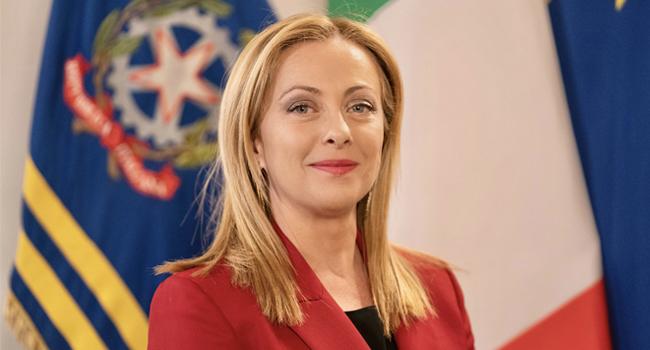
Italians have begun voting on the third of four days of European elections taking place across 27 EU nations. Although these votes are for the next European Parliament, Italian Prime Minister Giorgia Meloni hopes the outcome will strengthen her position in Italian politics. She has even encouraged voters to “just write Giorgia” on their ballots.

Most EU countries are voting on Sunday after several weeks of turmoil during which two European leaders and other politicians were physically attacked. On Friday evening, Denmark’s Prime Minister Mette Frederiksen was assaulted in the street in Copenhagen ahead of Sunday’s Danish vote. She sustained minor whiplash, according to her office, and a suspect has been detained.

European leaders have expressed their shock at the latest attack amid elections involving around 373 million European voters. Last month, Slovak Prime Minister Robert Fico survived an assassination attempt and was only recently discharged from the hospital. Several German politicians have also been targeted.

While these elections are intended to be separate from national politics, the reality is often different, especially in Italy. Meloni, who leads the far-right Brothers of Italy (FdI), was appointed prime minister in 2022. She has taken the unusual step of putting her name at the top of her party’s ballot, despite having no plans to take a seat in the European Parliament.

Since becoming prime minister in 2022, Meloni has enjoyed steady poll ratings, helped by a fragmented centrist and left-wing opposition and the decline of her junior coalition partner, Matteo Salvini’s League party. To counter this trend, Salvini has shifted his party’s rhetoric further to the right. The League’s election posters, which criticize EU-backed initiatives like electric cars and tethered caps on plastic bottles, have drawn both ridicule and attention.

Salvini’s lead candidate, Roberto Vannacci, has also drawn attention. The army general, dismissed after self-publishing a book with homophobic and racist views, has doubled down on these views since becoming a League candidate. His messages are frequently amplified by the media, which could translate into votes for the League. If not, Salvini’s leadership could be in jeopardy.

Similarly, the left-wing Democratic Party (PD) leader Elly Schlein must match the 19% vote share from the 2019 elections to maintain her position. Further to the left, Ilaria Salis, a self-described antifascist activist detained in Hungary since 2023, is running on the Left/Greens platform.

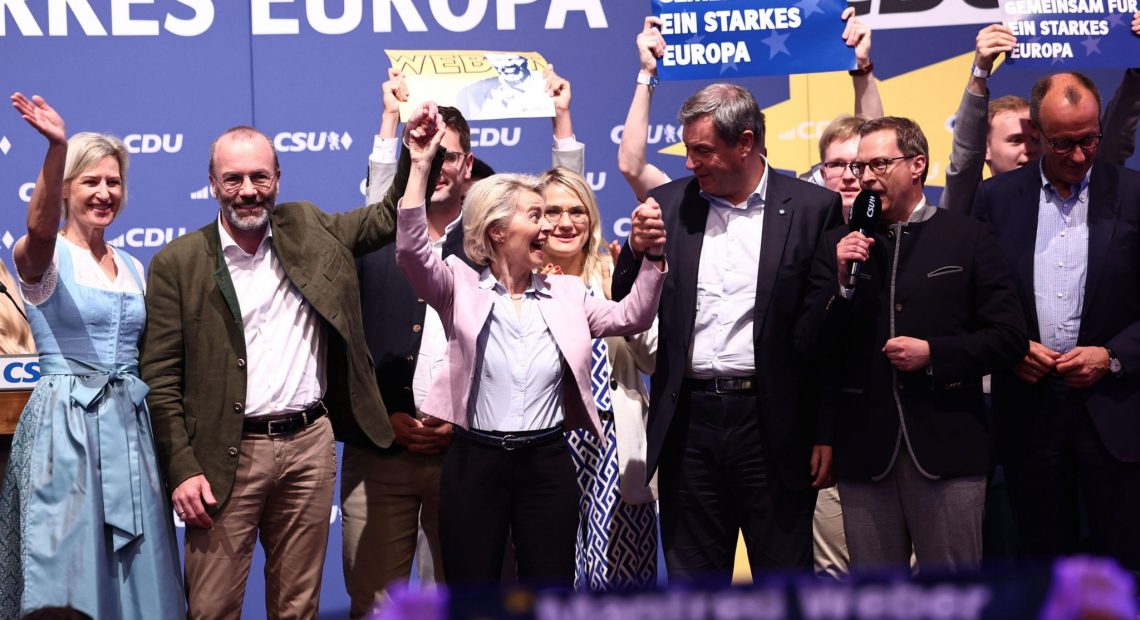
These European elections hold significant importance. While the Netherlands voted on Thursday, with exit polls suggesting a tight race between a left-green alliance and Geert Wilders’ Freedom Party, other countries like Ireland, the Czech Republic, Slovakia, Latvia, and Malta are voting across the weekend. Germany is voting on Sunday, with the center-right CDU/CSU expected to surpass Chancellor Olaf Scholz’s Social Democratic Party.

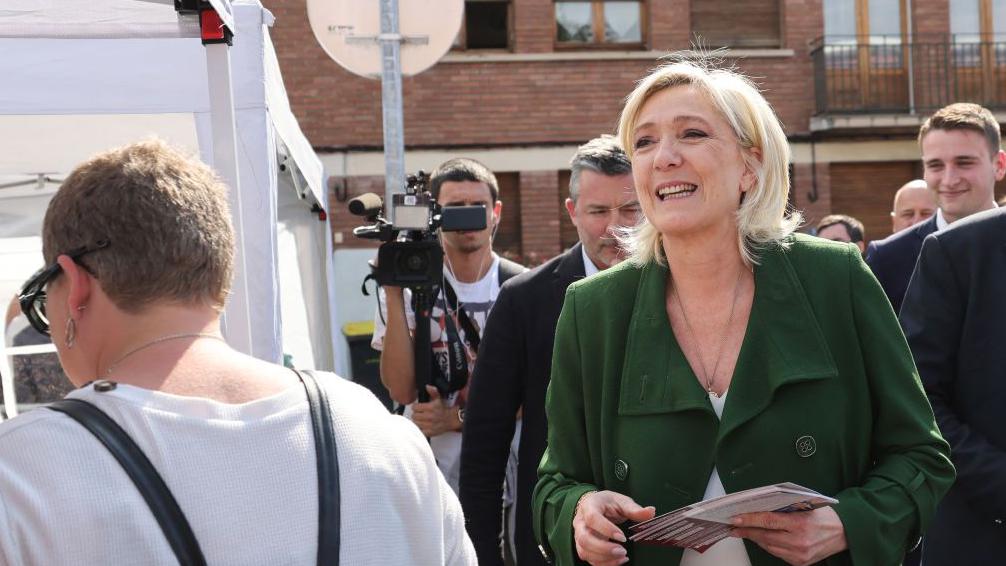
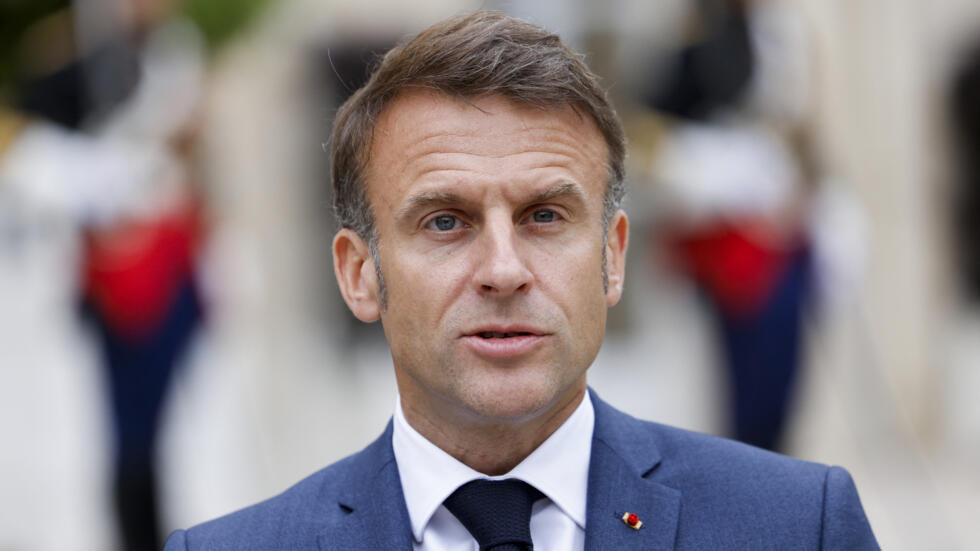
In France, President Emmanuel Macron’s Renaissance party is competing for second place with the Socialist party, trailing Marine Le Pen’s National Rally (RN). Macron, warning of the threat to Europe from the surge of the right, has called for a high turnout. Slovak Prime Minister Robert Fico, recovering from surgery after an assassination attempt, has recently criticized Slovakia’s liberal opposition. Hungary’s Viktor Orban, opposing EU support for Ukraine, warned that Europe is nearing a point of no return in preventing conflict from spreading beyond Ukraine’s borders.

Italy’s polls will be the last to close at 23:00 (21:00 GMT) on Sunday, with initial projections combining provisional results and estimates expected shortly after.

Picture Courtesy: Google/images are subject to copyright

News Trending

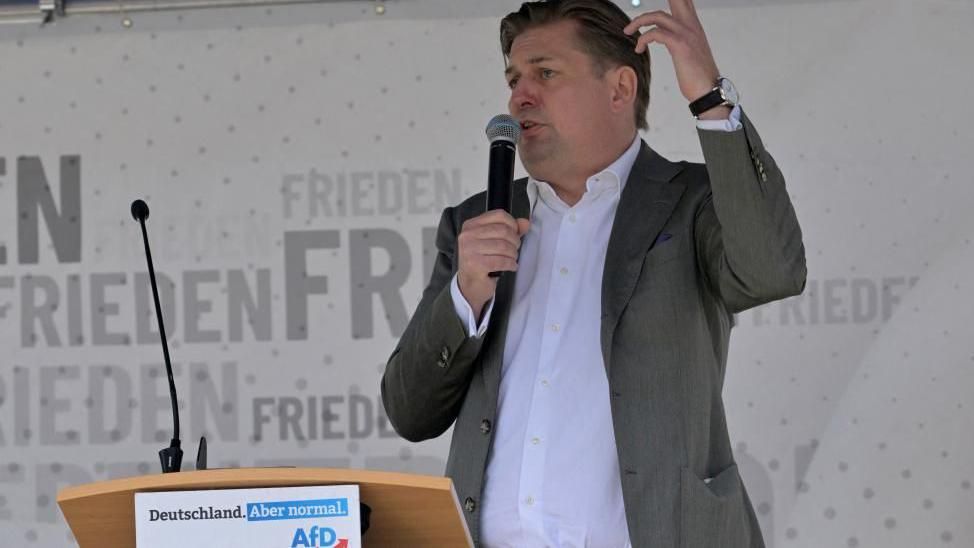
Maximilian Krah, a prominent far-right German politician from the Alternative for Germany (AfD), announced he would scale back his campaign efforts for the upcoming EU elections while remaining the party’s lead candidate. This decision followed a controversial interview with the Italian newspaper La Repubblica, where Krah remarked that not all SS members were automatically “criminals” and emphasized assessing individual culpability. He referenced Günter Grass, the German novelist who served in the Waffen SS, to support his point.

The SS, or Schutzstaffel, was a Nazi paramilitary group notorious for its central role in the Holocaust and other war crimes. Krah’s comments provoked a strong reaction, leading France’s far-right National Rally (RN) to sever ties with the AfD in the European Parliament. RN leader Marine Le Pen called for a “cordon sanitaire” to distance her party from the AfD, stating the urgency of this separation due to the extremity of Krah’s views.

The relationship between RN and AfD had already been strained following a secret meeting involving AfD members discussing the mass deportations of non-ethnic Germans. Marine Le Pen had previously condemned such ideas.

Facing mounting pressures ahead of the EU elections in June, Krah declared on social media that he would step back from public campaign appearances and resign from the federal executive board to preserve party unity. This decision comes amid various scandals, including the arrest of one of his staffers for alleged espionage for China and an ongoing investigation into Krah over purported payments from Russia and China, which he denies. Despite these controversies, the AfD remains a significant political force, polling second or third nationally and leading in some states set for local elections later this year.

Picture Courtesy: Google/images are subject to copyright

News Trending

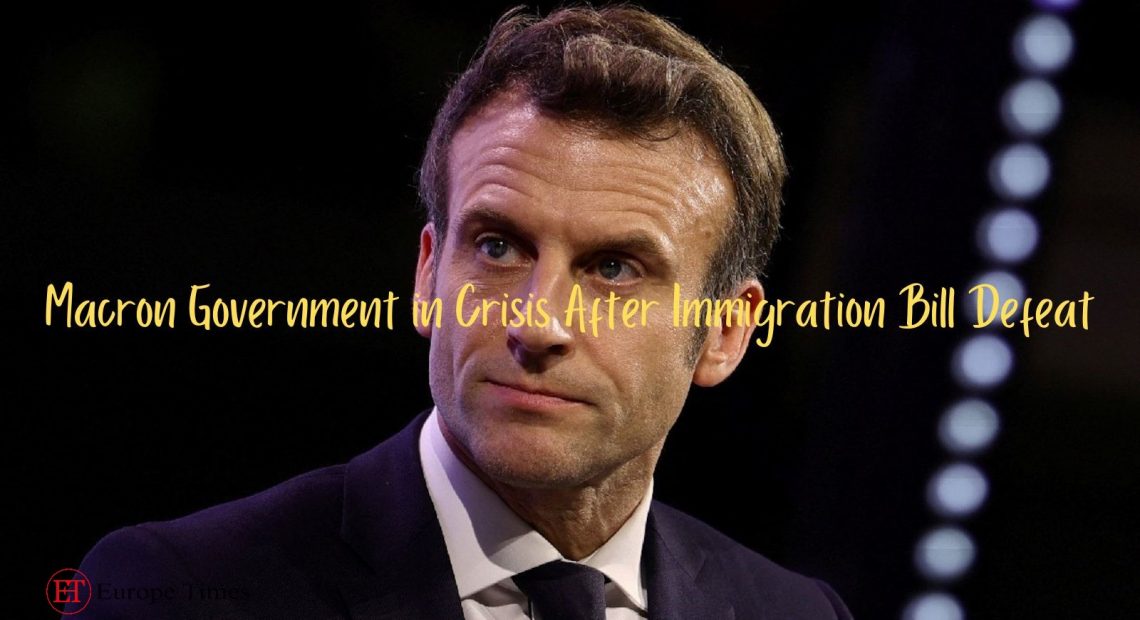
The French government, led by President Emmanuel Macron, is facing a crisis as opposition parties, spanning the political spectrum from far-right to far-left and moderate factions, joined forces to defeat a crucial immigration bill. The rejection occurred on Monday, with critics arguing that the proposed law was either too repressive (according to the left) or not stringent enough (according to the right).

Interior Minister Gérald Darmanin, known for his tough stance on immigration, offered to resign following the defeat, but President Macron declined his resignation. The government had asserted that the bill aimed to control immigration while enhancing the integration of migrants. The proposed legislation sought to streamline the deportation process for migrants sentenced to prison terms of five years or longer and impose stricter conditions on family reunification in France.

Despite Interior Minister Darmanin’s efforts to garner support for the bill, opposition MPs from various factions, including the National Rally (far-right), France Unbowed (far-left), Republicans (right-wing), and smaller parties, voted against it, leading to a 270-265 defeat for the government.

Before the vote, MP Arthur Delaporte of the Socialist party denounced the bill as “unjust, scandalous, and a threat to freedom.” President Macron’s centrist Renaissance party had lost its parliamentary majority in the June 2022 elections, making it challenging for the government to secure votes in parliament.

In response to the defeat, the government announced its intention to redraft the bill. Notably, the option used by Prime Minister Élisabeth Borne to pass laws without a vote cannot be employed to advance this revised version.

Picture Courtesy: Google/images are subject to copyright

News Trending

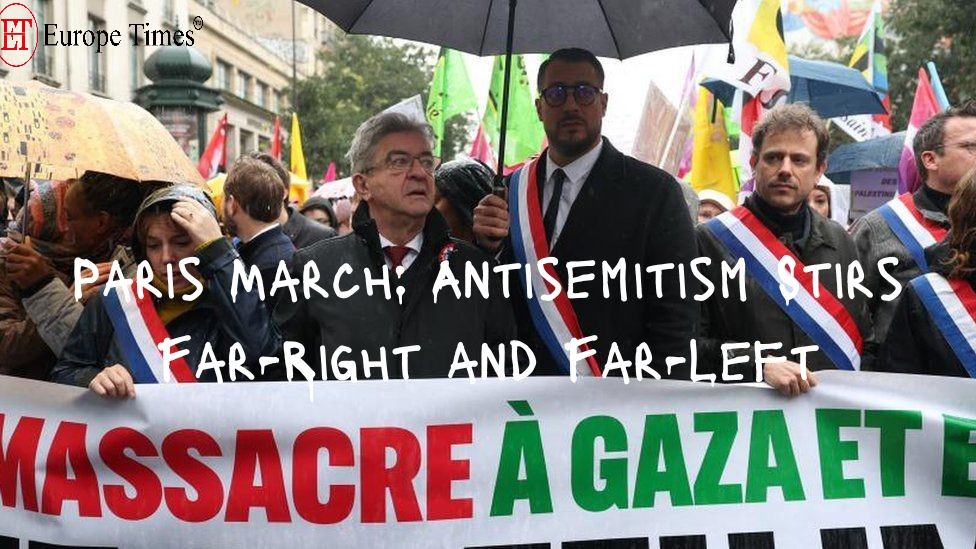
In an unprecedented turn of events in Paris this weekend, a significant demonstration took place in response to the Israel-Hamas conflict, drawing representatives from major political parties. Notably, the far right, including Marine Le Pen and Jordan Bardella of the National Rally, participated, while the far left, led by Jean-Luc Mélenchon of France Unbowed, boycotted the event, citing it as a gathering for supporters of the Gaza massacre.

This shift is symbolic, considering historical political dynamics in France. Traditionally, the far right was ostracized due to its perceived anti-Republican views, especially on Jewish issues. The far left, on the other hand, despite criticism, remained part of the broader political spectrum. However, the current scenario reflects a shake-up in the political landscape.

The contemporary far right in France, now labeled as “hard right” or “national right,” has shifted focus from past anti-Semitic stances to prioritize issues such as immigration, insecurity, and Islamism, aligning with some Jewish perspectives. Meanwhile, the far left interprets the Gaza conflict through an anti-colonial lens, emphasizing solidarity with the oppressed against perceived superpower aggression.

This unusual alignment sees a party with a history of Holocaust denial, like the National Rally, supporting French Jews openly. Conversely, a party built on human rights and equality, like France Unbowed, faces accusations of antisemitism for not condemning Hamas as a terrorist organization.

While nuances exist, the overall trend shows the National Rally under Marine Le Pen successfully integrating into the mainstream, while France Unbowed under Jean-Luc Mélenchon appears to be distancing itself. Opinion polls reinforce this, with Marine Le Pen leading in presidential election polls, while Mélenchon’s support has declined.

Serge Klarsfeld, a prominent figure in the fight against antisemitism in France, acknowledges the irony. He appreciates the far right’s departure from antisemitism, seeing it align with Republican values, yet expresses sadness over the far left’s perceived abandonment of efforts to combat antisemitism.

Picture Courtesy: Google/images are subject to copyright