featured News Trending

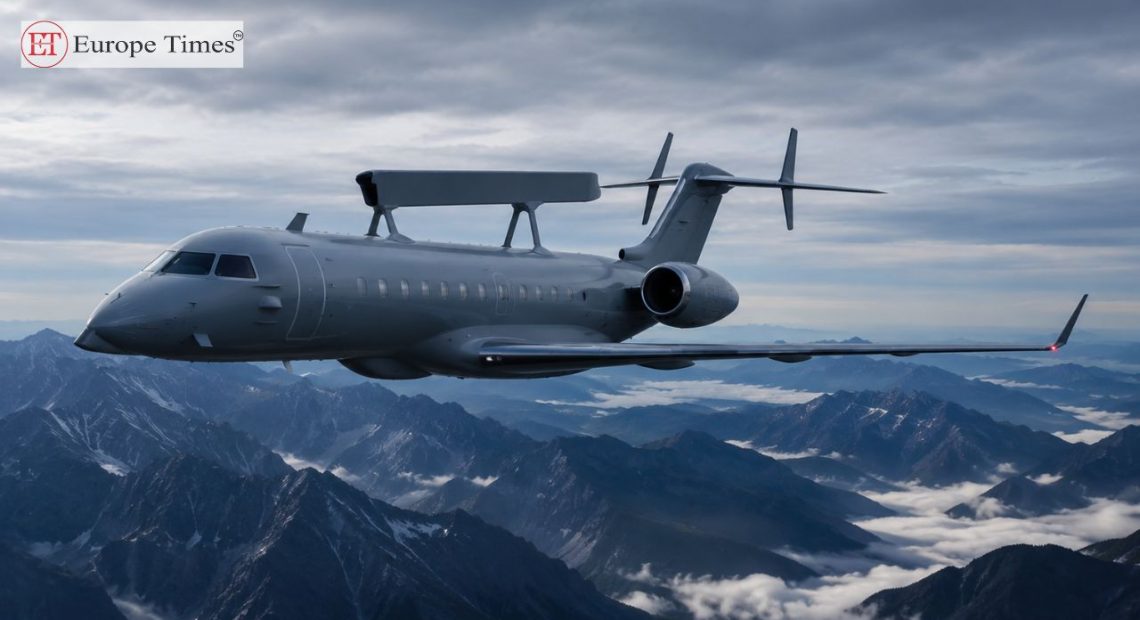
NATO has announced plans to acquire up to 10 Saab GlobalEye airborne early-warning and surveillance aircraft in a deal valued at approximately $4.5 billion, choosing the Swedish system over Boeing’s competing E-7 Wedgetail. The new fleet will replace the alliance’s ageing AWACS aircraft and strengthen NATO’s surveillance and early-warning capabilities against modern threats, including drone swarms and evolving battlefield challenges.

NATO Secretary-General Mark Rutte said the GlobalEye platform, built on Bombardier Global 6500 business jets, represents a multinational programme involving European, Canadian, and U.S. industries. Saab said deliveries could begin as early as 2030 if negotiations are completed soon, with each aircraft expected to cost between $400 million and $450 million. The alliance is now entering formal contract negotiations with the Swedish defence company.

The decision comes as NATO members continue increasing defence spending amid heightened security concerns in Europe. While the initial GlobalEye aircraft will not include air-to-air refuelling capability, officials expect that feature to be added in future upgrades. The announcement boosted Saab’s shares, while reinforcing NATO’s long-term strategy to modernize its airborne surveillance fleet.

Pic courtesy: google/ images are subject to copyright

featured News Trending

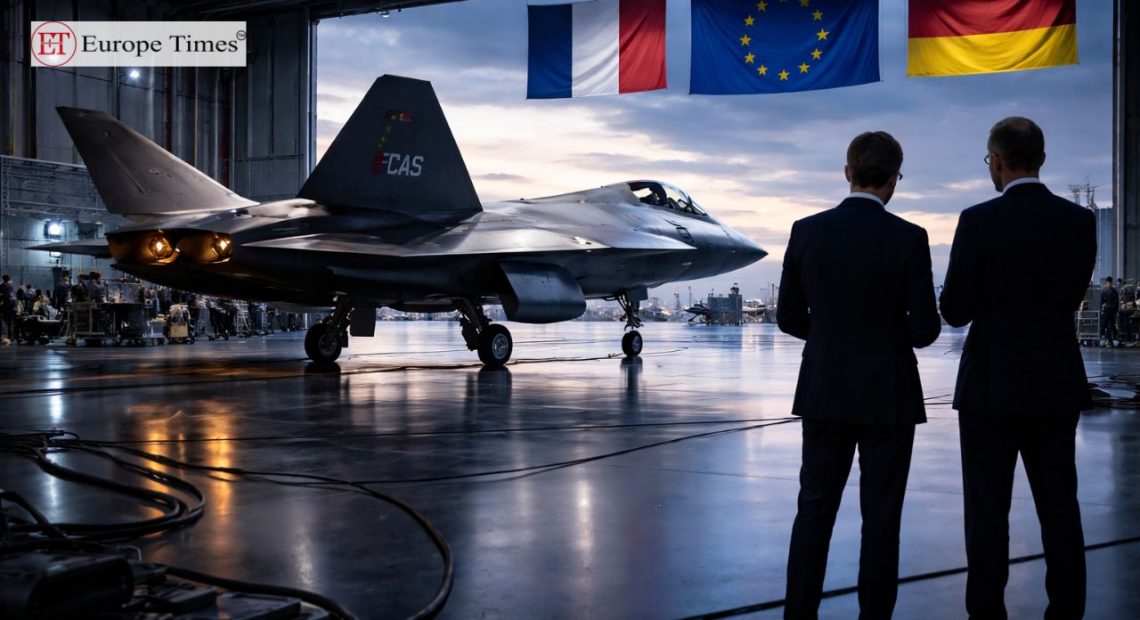
Leaders of France and Germany are set to discuss the future of the troubled Future Combat Air System (FCAS) during an upcoming EU summit. The project, which also includes Spain, aims to develop a next-generation air combat system but is now at risk due to ongoing disputes between major industry players.

The conflict centers around disagreements between Dassault Aviation and Airbus over control and leadership of the fighter jet program. While Dassault is pushing for greater authority over the aircraft’s core development, Airbus insists on maintaining equal partnership terms, creating tensions that threaten to derail the €100 billion initiative.

Despite growing concerns, Emmanuel Macron and Friedrich Merz are expected to explore ways to keep the project alive. A collapse of FCAS could significantly reshape Europe’s defense industry, potentially shifting alliances and boosting rival programs like the UK-led GCAP fighter initiative.

Pic courtesy: google/ images are subject to copyright

featured News Trending

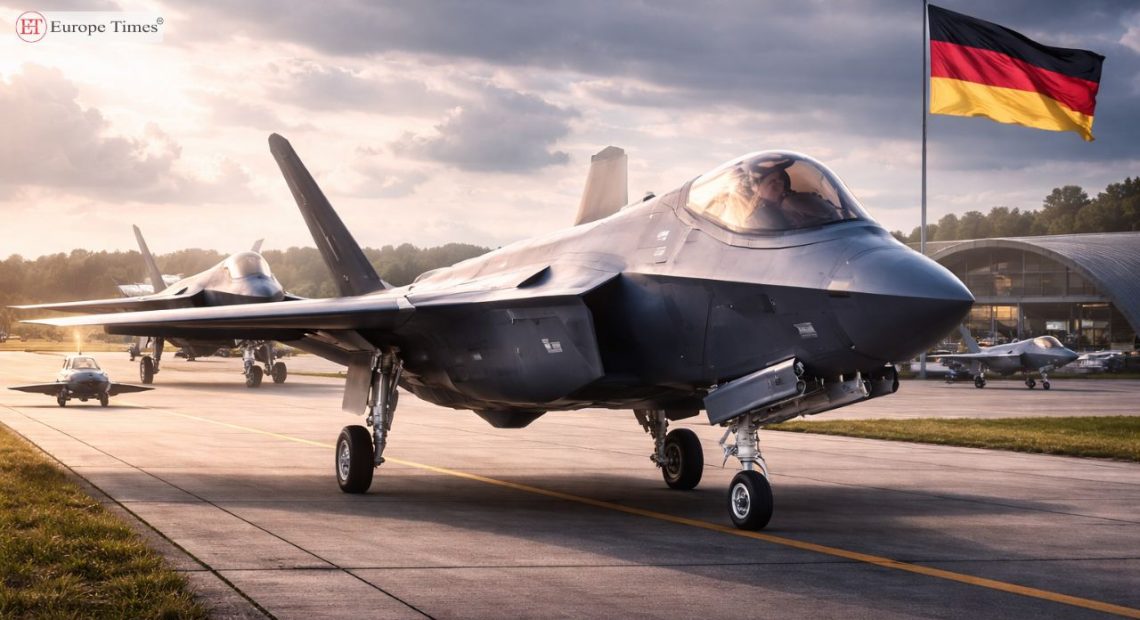
Germany is considering purchasing additional F-35 fighter jets from Lockheed Martin, potentially expanding its fleet beyond the 35 aircraft ordered in 2022. Sources said Berlin is in talks that could lead to buying more than 35 additional jets, which would significantly increase its reliance on U.S. military technology. Each aircraft costs over $80 million, and deliveries from the earlier order are expected to begin later this year.

The move comes as Germany and France face growing uncertainty over their joint Future Combat Air System (FCAS), a €100-billion program launched in 2017 to develop a next-generation fighter jet by 2040. Disagreements and delays have raised the possibility that the project could be abandoned. German officials, including Chancellor Friedrich Merz, have also questioned whether investing heavily in a new manned fighter jet remains practical given evolving military technology.

Expanding Germany’s F-35 fleet would mark a strategic shift toward closer defense integration with the United States and strengthen its role within NATO’s nuclear deterrence framework. The F-35 is currently the only Western aircraft certified to carry modern B61 nuclear bombs, making it essential for replacing Germany’s aging Tornado jets. While the future of the FCAS program remains uncertain, Germany and France are expected to continue cooperating on other defense areas such as drones and digital warfare systems.

Pic courtesy: google/ images are subject to copyright