
featured News Trending

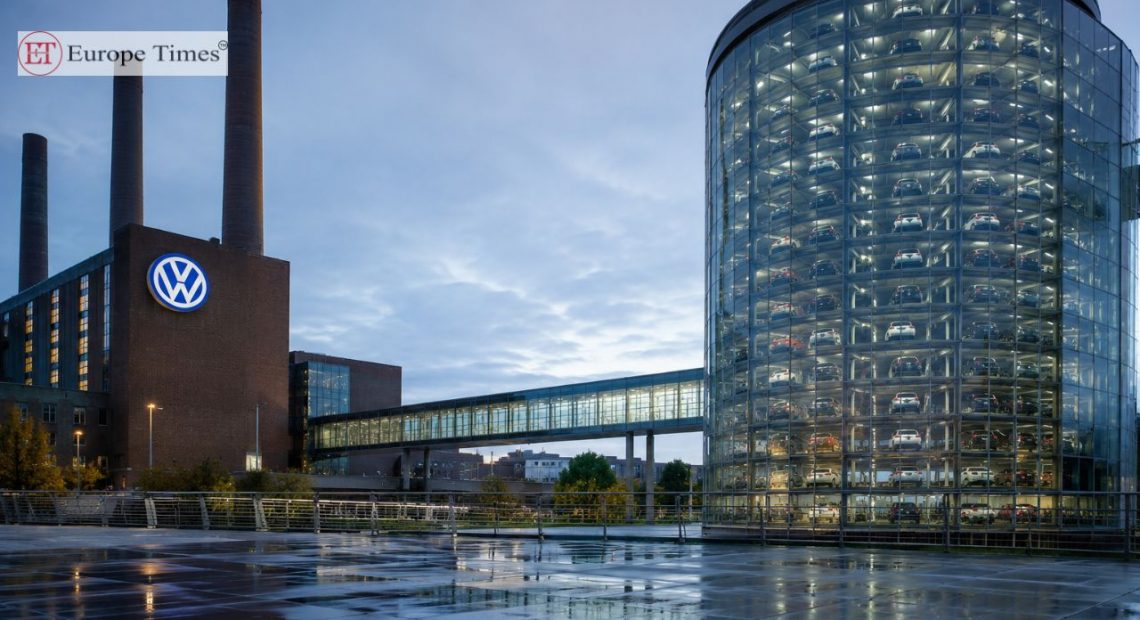
Volkswagen’s complex ownership and governance structure has come under renewed scrutiny as the German automaker prepares a major restructuring that could include plant closures and nearly 100,000 job cuts. Labour unions have vowed strong resistance, while the company’s unique legal framework gives workers and the German state of Lower Saxony significant influence over key decisions.
The influence stems from the Volkswagen Law, introduced in 1960, which was designed to protect the company from outside control. The law grants Lower Saxony, which holds a 20% voting stake, the power to block major shareholder decisions, while worker representatives on Volkswagen’s 20-member supervisory board can effectively veto significant factory-related changes, making large-scale restructuring more difficult.

Volkswagen’s ownership structure further complicates governance. Porsche SE, the investment vehicle of the Porsche and Piech families, controls a majority of voting rights despite owning less than a third of the company’s total equity. Investors have long criticised this arrangement, arguing it limits corporate governance reforms and contributes to uncertainty as Volkswagen faces falling share prices, leadership challenges and growing pressure to adapt to a changing automotive market.

Pic courtesy: google/ images are subject to copyright

News Trending

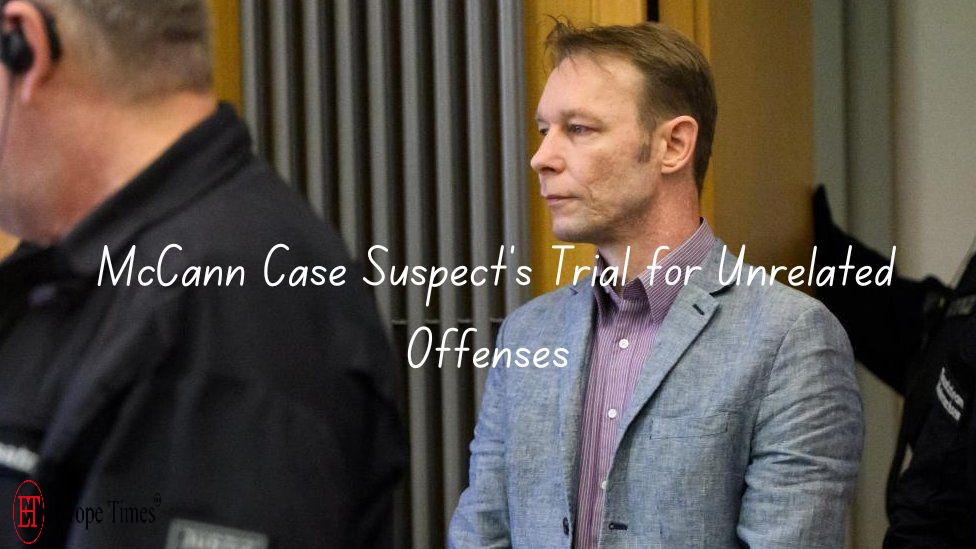
Christian Brückner, the prime suspect in the disappearance of Madeleine McCann, recently appeared in a German court for unrelated sex offenses. He faces charges of rape and sexual abuse dating back to between 2000 and 2017 in Portugal. Brückner, who is already serving a seven-year sentence for rape, denies any involvement in Madeleine McCann’s case.

The trial was postponed due to allegations that a lay judge had posted radical views on social media. Brückner has never been formally charged in the McCann case, but German investigators identified him as a suspect in 2020. The charges he currently faces are for offenses unrelated to Madeleine’s disappearance.

Brückner’s lawyer has criticized the charges, but the trial continues in Lower Saxony, Germany. Brückner has a history of convictions in Portugal, including rape and theft. Although initially not closely investigated in Madeleine’s case, Brückner’s connection to it has brought him under scrutiny.

He is currently serving a prison sentence and the outcome of this trial may affect his incarceration beyond his current sentence.

Picture Courtesy: Google/images are subject to copyright