featured News Trending

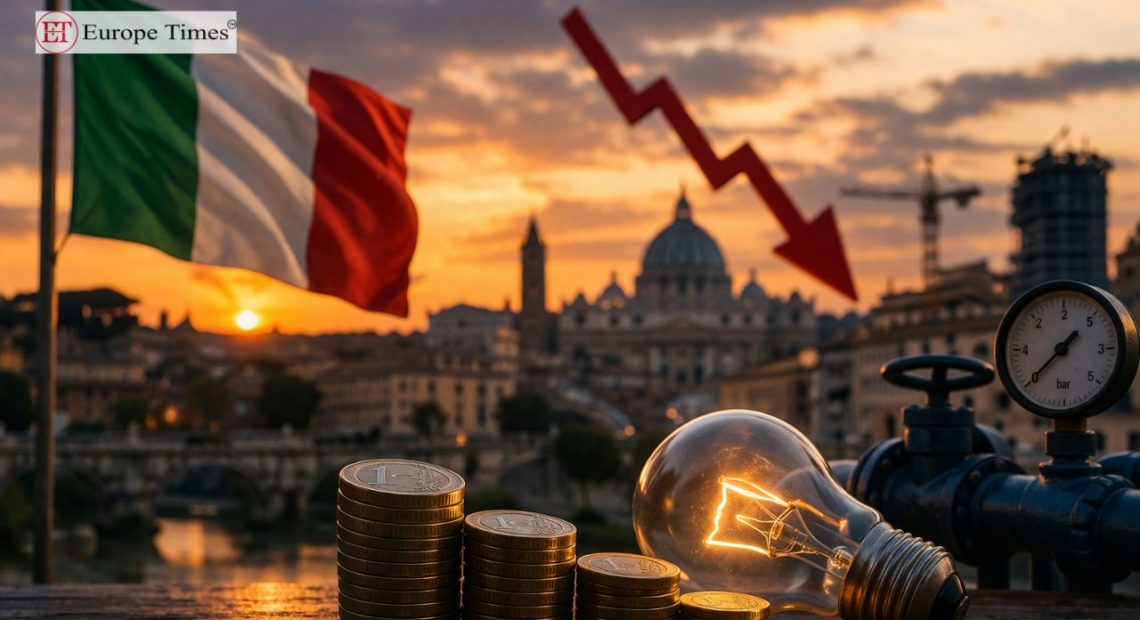
Italy is set to lower its economic growth forecasts as rising energy prices continue to pressure its economy, Economy Minister Giancarlo Giorgetti said. The government is expected to trim this year’s GDP growth estimate to around 0.5%–0.6%, down from 0.7%, while next year’s outlook may also be reduced slightly. The slowdown is largely attributed to external and temporary factors, particularly the ongoing energy crisis.

The weaker growth outlook complicates Italy’s efforts to reduce its budget deficit below the European Union’s 3% threshold. With the deficit already projected at 3.1% in 2025, slower expansion could limit fiscal room and make it harder to meet agreed targets. Despite these challenges, officials maintain that recent data does not indicate any structural weakness in the economy.

Italy has urged the European Union to consider temporarily easing its budget rules if geopolitical tensions, especially involving Iran, worsen further. While existing mechanisms allow flexibility during severe downturns, current conditions do not yet meet that threshold. Meanwhile, Italy remains under EU scrutiny for its deficit, restricting its ability to introduce major relief measures.

Pic courtesy: google/ images are subject to copyright

featured News Trending

The International Monetary Fund’s upcoming growth forecasts are expected to show that the global economy remains resilient to trade disruptions, with overall performance still “fairly strong,” IMF Managing Director Kristalina Georgieva said in an interview with Reuters. Speaking during a visit to Kyiv, Georgieva indicated the IMF could slightly raise its projections again, following a recent upgrade by the World Bank.

In its October outlook, the IMF lifted its 2025 global growth forecast to 3.2%, citing a smaller-than-expected drag from U.S. tariffs, while keeping its 2026 estimate at 3.1%. Georgieva said the January update, due on January 19, would likely reinforce the message that trade shocks have not derailed global growth, even though risks remain tilted to the downside.

She cautioned that geopolitical tensions, rapid technological shifts and heavy investment in artificial intelligence pose potential threats if productivity gains fail to materialise. Georgieva also warned that many countries have not built sufficient financial buffers to handle future shocks, noting that the IMF is already running 50 lending programmes and may see demand rise if global conditions worsen.

Pic Courtesy: google/ images are subject to copyright