featured News Trending

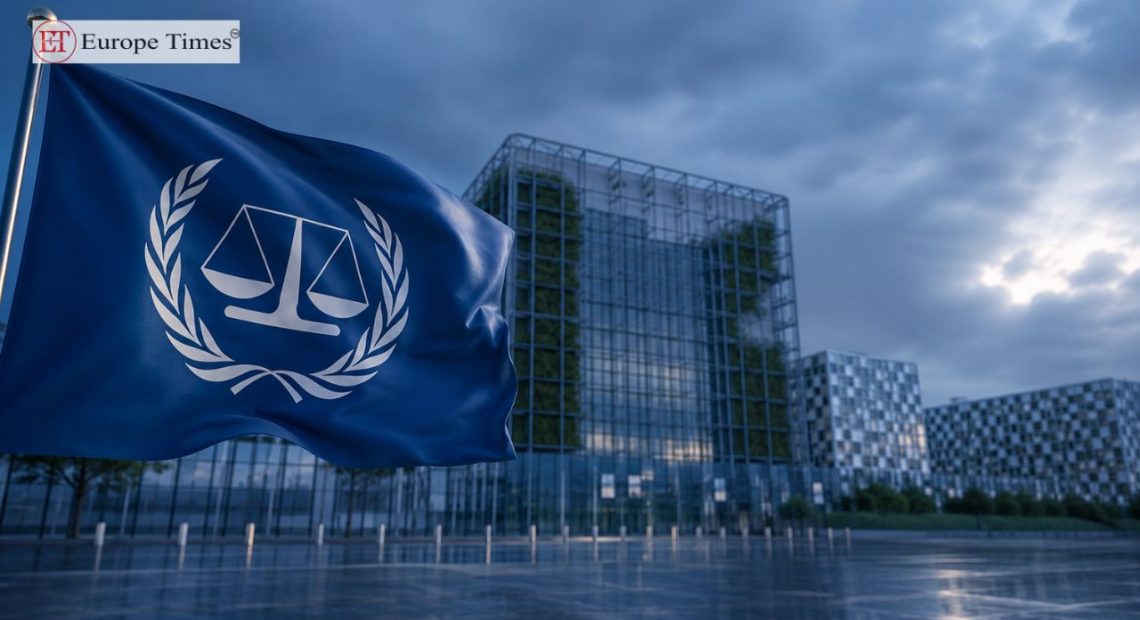
The International Criminal Court (ICC) has suspended its chief prosecutor, Karim Khan, with immediate effect as an investigation into misconduct allegations continues. The decision was taken by a committee within the court’s oversight body and has been referred to the ICC’s 125 member states, which will vote on Khan’s future during a special session. Khan has denied all allegations, while his legal team has called the suspension unfair and unsupported by evidence.

The allegations, first reported in 2024, involve claims of sexual misconduct and abuse of authority. An initial internal investigation was closed after the complainant chose not to participate, but a second inquiry led by the United Nations Office of Internal Oversight Services examined thousands of pages of evidence and testimony between late 2024 and 2025. The findings are now being reviewed to determine whether Khan committed serious misconduct.

The case comes at a sensitive time for the ICC, which has faced political pressure following its actions related to the Gaza conflict. While some staff members have expressed concerns about Khan’s potential return, supporters argue that the allegations remain unproven. If member states decide to remove him from office, Khan could challenge the decision through international employment tribunals, potentially leading to a prolonged legal battle.

Pic courtesy: google/ images are subject to copyright

featured News Trending

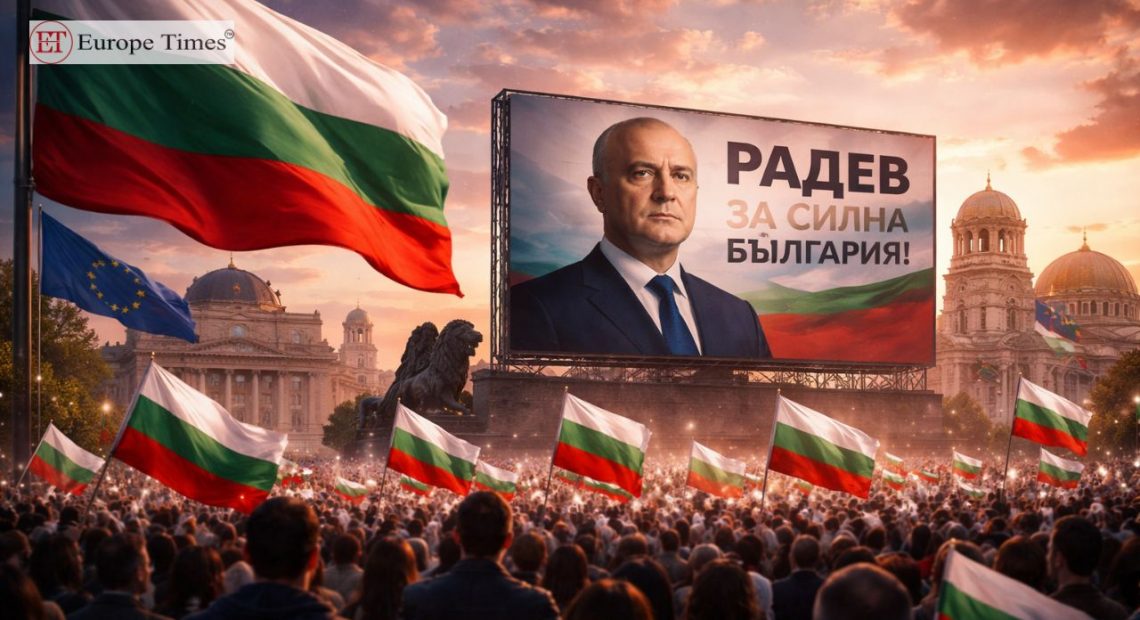
Former Bulgarian president Rumen Radev is leading opinion polls ahead of the April 19 parliamentary election, campaigning on an anti-corruption platform and promising stability after years of political turmoil. Backed strongly by rural and older voters, Radev has positioned himself as a reformer determined to dismantle what he calls an entrenched oligarchic system.

The vote comes after repeated elections and fragile coalitions that failed to address graft and economic concerns. While Radev’s Progressive Bulgaria party holds a clear lead, it is unlikely to secure a majority, making coalition-building essential. Potential partners include pro-European groups, which could moderate his policies, especially on foreign relations.

Radev’s perceived pro-Russian stance has raised concerns within the European Union, particularly regarding Bulgaria’s position on Ukraine and broader EU alignment. Despite this, many voters prioritize domestic issues like corruption, economic inequality, and governance, viewing Radev as a chance for decisive leadership in a politically unstable landscape.

Pic courtesy: google/ images are subject to copyright

News Trending

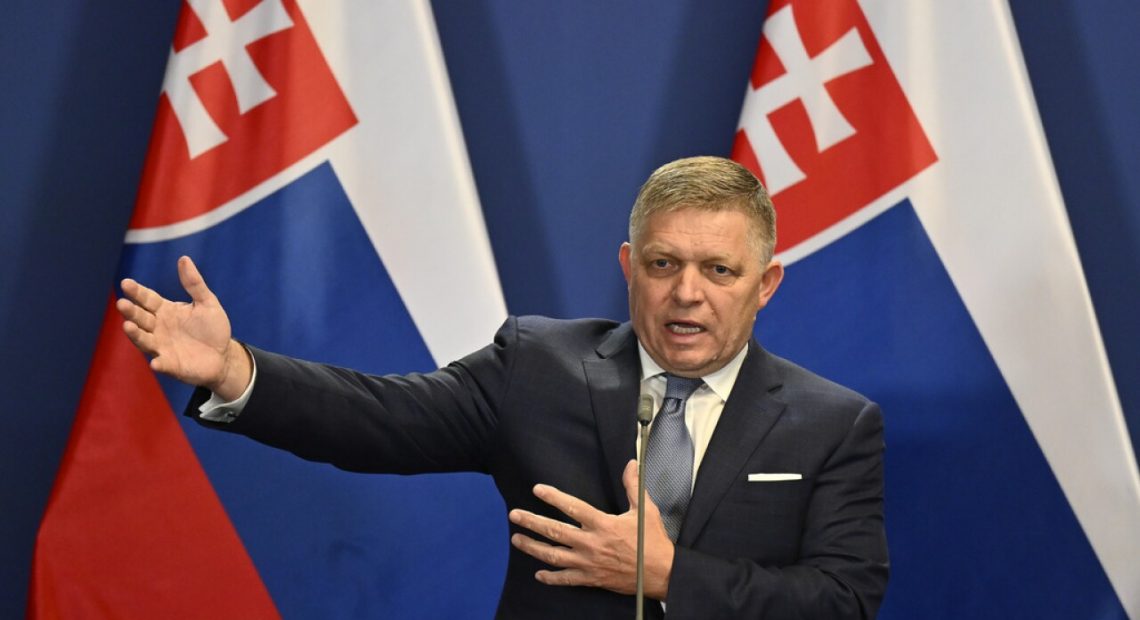
Slovakian Prime Minister Robert Fico has been relocated from a hospital in Banska Bystrica, situated in the heart of the country, to Bratislava, the nation’s capital, to continue his recovery journey. This decision comes in the aftermath of a shooting incident that left him with severe injuries, occurring two weeks prior.

The 59-year-old politician was targeted in Handlova on May 15, where he was shot four times at close range while engaging with supporters following a government meeting. Enduring multiple surgical procedures, Fico’s health status prompted the decision for further care and observation.

Details regarding Fico’s current whereabouts remain undisclosed, as it is unclear whether he has been discharged to his residence in Bratislava or transferred to another medical facility for ongoing treatment. The shift in his condition has attracted significant media attention both domestically and internationally.

Fico’s political tenure spans over a decade, during which he has held the prime ministerial position for a substantial portion of the past 18 years. His return to power in September, leading a coalition characterized by populist-nationalist ideologies, marked a significant chapter in Slovakian politics.

The shooting incident has exacerbated existing tensions within Slovakia, a nation grappling with increasing polarization in its political landscape. The attack has served to deepen societal divisions and raise concerns about the stability of the country’s governance.

The alleged perpetrator, identified by local media as 71-year-old Juraj Cintula, has been apprehended and is currently in custody, facing charges of attempted murder. The ongoing investigation seeks to shed light on the motives behind the attack and its potential ramifications for Slovakian society and its political future.

Picture Courtesy: Google/images are subject to copyright

News Trending

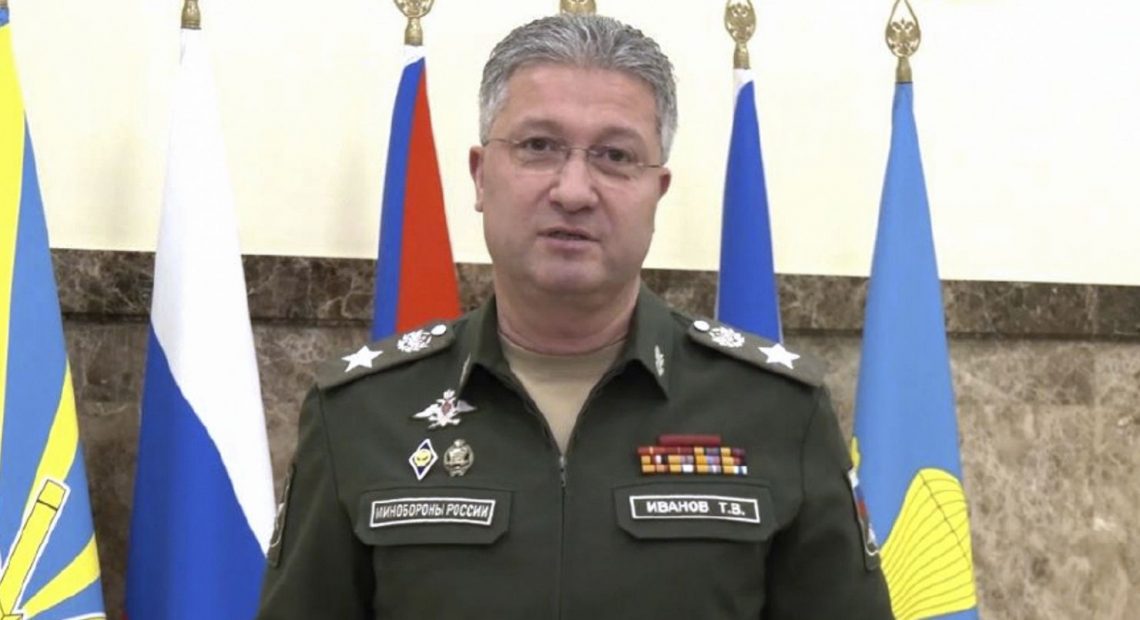
Recent events have once again brought attention to the issue of corruption within Russia’s government, particularly within its military. Timur Ivanov, a deputy defence minister, is facing serious accusations of accepting large-scale bribes. His denial of these charges comes at a time when Russia is grappling with systemic corruption, especially within its military projects.

The allegations against Ivanov have drawn scrutiny from activists who have long criticized corruption in Russia’s corridors of power. His close relationship with Defence Minister Sergei Shoigu adds complexity to the situation, highlighting the interconnectedness of Russia’s political and military spheres.

Rumors of treason surrounding Ivanov’s arrest add further intrigue to the case. Despite Kremlin’s dismissal of such claims, speculation persists, leaving the public seeking clarity amidst official statements and media reports.

Accusations from the Anti-Corruption Foundation linking Ivanov to malpractices in Ukraine’s occupied territories shed light on the human cost of corruption in conflict zones.

As Ivanov faces legal proceedings, the potential consequences, both legally and politically, are significant. The case underscores the widespread nature of corruption within Russia’s government and its impact on global politics, as evidenced by international sanctions against Ivanov.

Beyond Ivanov’s individual fate, the case raises questions about Russia’s ability to combat corruption within its military leadership and institutions. The fallout from this high-profile case may test the resilience of Russia’s governance structures in addressing endemic corruption.

Picture Courtesy: Google/images are subject to copyright