featured News Trending

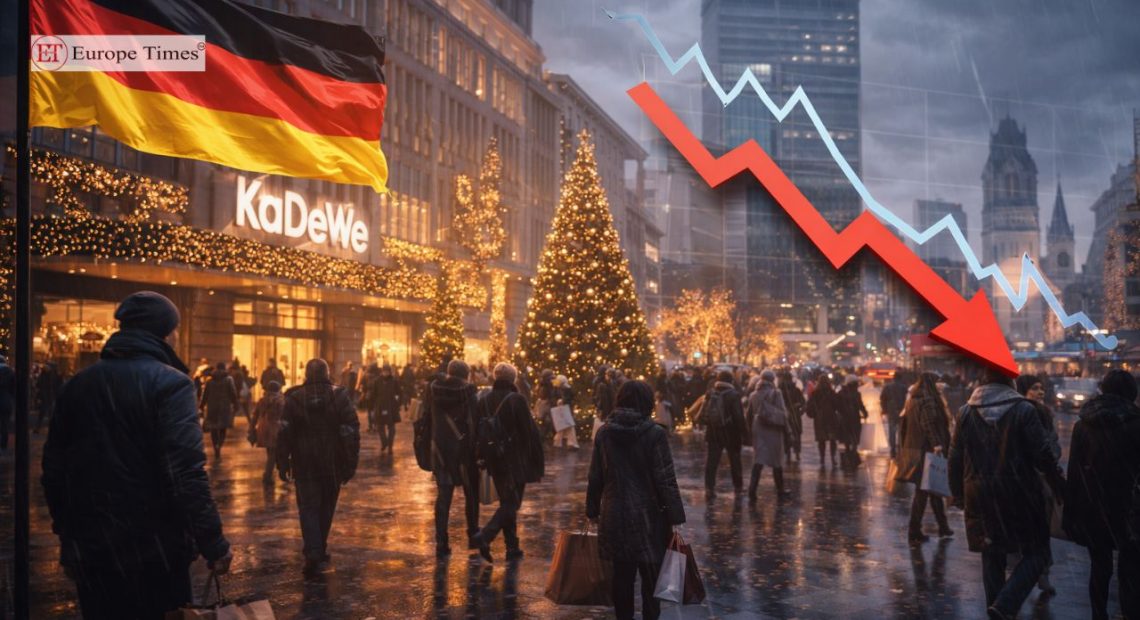
Germany’s service sector growth lost momentum in March, with business activity slowing sharply due to weakening demand linked to the ongoing Middle East conflict. The latest survey by S&P Global showed that the services Purchasing Managers’ Index (PMI) fell to 50.9 from 53.5 in February, marking its lowest level in seven months, though still slightly above the 50 threshold that indicates growth.

The slowdown has been attributed to rising costs, particularly fuel prices, and increased economic uncertainty. According to analysts at S&P Global Market Intelligence, service providers are struggling to pass on higher costs to customers due to weaker demand. New business inflows declined for the first time since September, highlighting the immediate impact of geopolitical tensions on the sector.

Business confidence has also taken a hit, with expectations dropping to a three-month low. The overall composite PMI, which combines manufacturing and services, slipped to 51.9 in March from 53.2 in February, largely driven by the downturn in services. Analysts warn that elevated energy prices, supply chain disruptions, and ongoing uncertainty could continue to weigh on Germany’s economic growth in the coming months.

Pic courtesy: google/ images are subject to copyright

featured News Trending

Services activity across the euro zone expanded at a slightly faster pace in February as demand conditions improved, according to a Purchasing Managers’ Index (PMI) survey compiled by S&P Global. The HCOB euro zone services PMI rose to 51.9 from 51.6 in January, signalling continued growth, though the pace of expansion remained modest. Economists noted that while momentum improved compared with the previous month, overall performance in the sector was still subdued.

New business volumes increased modestly, extending an expansion trend that began in August, while companies continued reducing backlogs of work for a fourth consecutive month. However, hiring growth slowed to a five-month low as business confidence softened. At the same time, cost pressures intensified sharply, with firms reporting rising wages, energy prices and transportation costs pushing input inflation to its highest level in nearly three years.

The data suggests the European Central Bank may remain cautious about cutting interest rates further, as persistent price pressures remain a concern. Among major economies, Germany recorded the strongest services growth, while activity slowed in Italy and Spain, and France’s services sector continued to contract, albeit at a slower pace. The services rebound helped lift the euro zone’s composite PMI to a three-month high, extending the region’s economic expansion to 14 months.

Pic courtesy: google/ images are subject to copyright

featured News Trending

Germany’s unemployment total remained above three million in February, underscoring persistent strain in Europe’s largest economy after two consecutive years of contraction. Labour office data showed 3.07 million people out of work, slightly down from the previous month but 81,000 higher than a year earlier. On a seasonally adjusted basis, unemployment rose by 1,000 to 2.977 million, while the jobless rate held steady at 6.3%, matching forecasts.

Labour office head Andrea Nahles said the market was still struggling to regain momentum following the winter period. The figures pose a challenge for Chancellor Friedrich Merz, who has pledged to revive growth through increased infrastructure and defence spending. Analysts said that with the economy stagnating for years and industry facing structural pressures, a gradual weakening in the labour market was largely unavoidable, with no clear turning point yet in sight.

Other data offered mixed signals. Inflation dipped below 2% in several German states in February, pointing to easing price pressures nationally, in line with a broader slowdown across the euro zone. Real wages continued to recover, rising 1.9% in 2025 and 2.9% in 2024, though they remain below pre-2019 levels after inflation shocks linked to the pandemic and Russia’s 2022 invasion of Ukraine eroded purchasing power.

Pic courtesy: google/ images are subject to copyright

featured News Trending

Germany’s private sector expanded at its fastest pace in four months in February, signaling renewed momentum in Europe’s largest economy. The HCOB Flash Germany Composite Purchasing Managers’ Index, compiled by S&P Global, rose to 53.1 from 52.1 in January, surpassing analysts’ expectations. A reading above 50 indicates growth, pointing to stronger overall business activity across the country.

The services sector remained the main driver of expansion, with its PMI rising to 53.4 from 52.4, beating forecasts. Meanwhile, manufacturing returned to growth for the first time since June 2022, with the index climbing to 50.7 from 49.1 in January. The rebound in factory output marks a significant turnaround after more than three years of contraction.

Economists said the data supports signs of a broader economic recovery, following an unexpected surge in German industrial orders in December — the biggest increase in two years. While employment levels continued to decline, the pace of job losses slowed considerably, suggesting stabilizing conditions. Analysts indicated that Germany’s gross domestic product is likely to post visible growth in the first quarter, barring any unexpected downturn in March.

Pic courtesy: google/ images are subject to copyright

featured News Trending

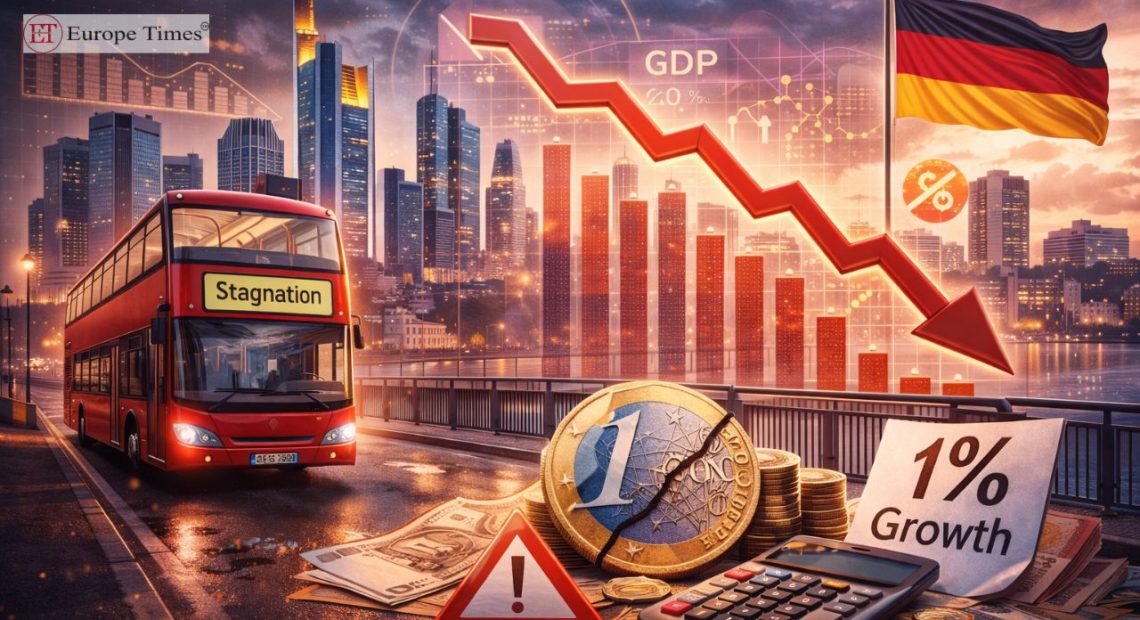
Germany’s economy is projected to grow by only 1% in 2026, according to the German Chamber of Industry and Commerce (DIHK), which warned that deeper reforms are needed for a sustainable recovery. The forecast marks a slight upgrade from its earlier 0.7% estimate, but DIHK managing director Helena Melnikov said the pace remains inadequate compared to global peers. Since 2019, the global economy has expanded by 19%, the U.S. by 15%, and Italy by 6%, while Germany has grown by just 0.2%, effectively stagnating over the period.

Europe’s largest economy continues to face headwinds from geopolitical uncertainty, high operating and energy costs, and weak domestic demand. Although a stronger global economy and increased public spending — particularly on security and defence — have provided limited support, DIHK noted that much of the expected growth in 2026 is driven by statistical and calendar effects rather than structural strength. The chamber urged faster reforms to reduce bureaucracy and lower labour and energy expenses.

The DIHK business climate index, based on a survey of around 26,000 companies, edged up to 95.9 points but remains well below its long-term average of 110. One in four firms expects economic conditions to worsen, while investment and hiring plans remain subdued. Only 23% of companies plan to increase investment and 12% expect to expand their workforce. However, export expectations offered a glimmer of hope, with 22% of businesses anticipating higher overseas sales over the next year.

Pic courtesy: google/ images are subject to copyright

featured News Trending

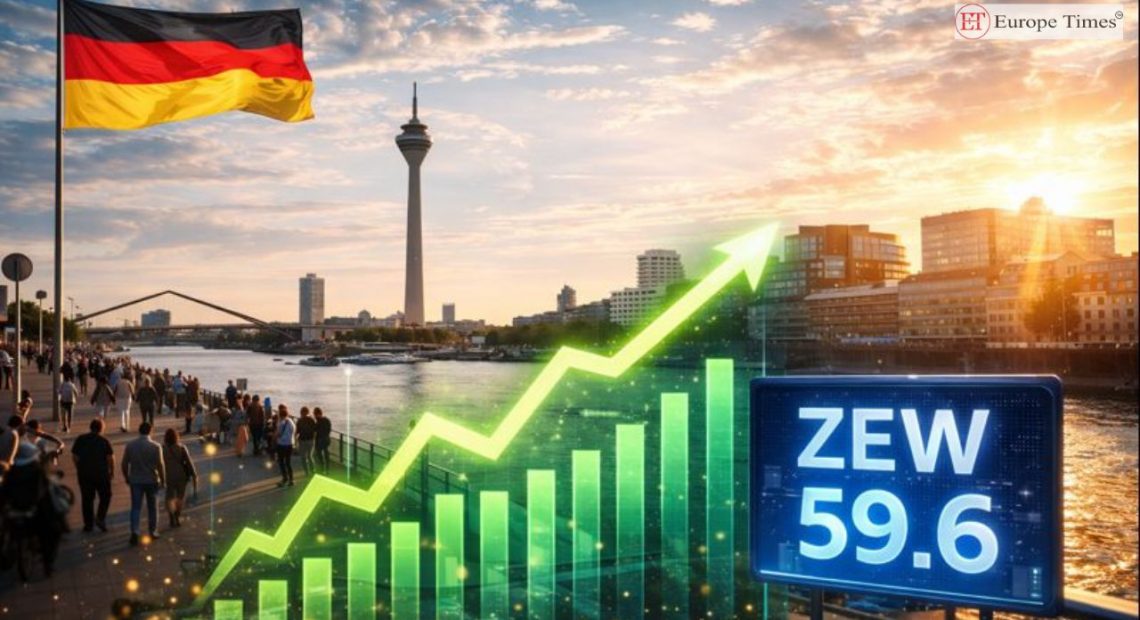
German investor confidence jumped sharply in January to its highest level since August 2021, according to the ZEW economic research institute, signalling rising optimism about Europe’s largest economy. The ZEW expectations index climbed to 59.6 points, far exceeding market forecasts of 50.0 and up from 45.8 in December, as investors grew more hopeful that 2026 could mark a turning point for Germany.

Economists attributed the improved sentiment partly to the government’s expansive fiscal package, which includes higher public spending on defence and infrastructure aimed at reversing the economic slowdown. While expectations improved, ZEW President Achim Wambach cautioned that reforms are still needed to enhance Germany’s attractiveness as a business location and ensure sustainable long-term growth.

Despite the upbeat mood, risks remain. Trade tensions, particularly concerns over potential U.S. tariffs on German and other European exports, could weigh on the outlook. The ZEW’s assessment of the current economic situation improved but stayed deeply negative, highlighting that while confidence is recovering, Germany’s economy is not yet out of the woods.

Pic courtesy: google/ images are subject to copyright

featured News Trending

Germany’s economic recovery after three years of stagnation is expected to begin slowly next year before gaining momentum later, according to the Bundesbank’s latest biannual economic projections. Europe’s largest economy has struggled since 2023 due to a weakened industrial sector, subdued consumer spending and restrained government expenditure. A turnaround began this year after Chancellor Friedrich Merz eased spending rules and announced higher outlays on defence and infrastructure.

Bundesbank President Joachim Nagel said growth would remain modest at first but strengthen from the second quarter of 2026, supported by increased government spending and a revival in exports. The central bank now forecasts economic growth of 0.2% in 2025, an improvement from its earlier expectation of stagnation, while growth in 2026 is projected at 0.6%, slightly below its previous estimate.

Inflation projections, however, have been revised sharply higher due to faster-than-expected wage growth. The Bundesbank warned that strong wage increases, driven by low unemployment and labour shortages, could persist for years. Consumer price inflation is now expected to reach 2.2% in 2025, up from an earlier forecast of 1.5%, influencing the European Central Bank’s decision to raise its own euro zone inflation outlook and maintain a cautious policy stance.

Pic courtesy: google/ images are subject to copyright

featured News

German business sentiment unexpectedly weakened in December, highlighting ongoing struggles in Europe’s largest economy, according to a survey released by the Ifo Institute. The Ifo business climate index fell to 87.6 from a slightly revised 88.0 in November, defying expectations of a rise to 88.2. Commenting on the data, Ifo survey head Klaus Wohlrabe said the year was ending without any positive surprises for the German economy.

Economists said the latest reading reinforces concerns that Germany remains stuck in stagnation after two years of contraction, with only modest growth expected. Analysts noted that the decline aligns with recent drops in purchasing managers’ indexes and indicates that a long-anticipated recovery has yet to take hold. Fiscal stimulus measures announced by the government have so far failed to deliver a meaningful boost, partly due to delays in infrastructure spending and rising costs linked to an ageing population.

Outlook indicators also pointed to growing pessimism among companies for the first half of 2026, while assessments of the current situation remained unchanged. Ifo President Clemens Fuest said the year ended without renewed confidence, and economists added that the lack of broad-based economic reforms has weighed on sentiment. Chancellor Friedrich Merz has pledged further reforms, but businesses remain cautious as tangible policy action has yet to materialise.

Pic courtesy: google/ images are subject to copyright

featured News

Germany’s private sector growth lost more momentum in December, marking the second straight month of deceleration, according to a PMI survey. The HCOB flash composite Purchasing Managers’ Index fell to 51.5 from 52.4 in November, its lowest level in four months, though it remained above the 50 mark that signals expansion for a seventh consecutive month.

The slowdown was driven by weaker performance in both services and manufacturing. Services activity eased to its weakest pace since September, with slower growth in new business, while manufacturing output and new orders declined more sharply. The manufacturing PMI slipped further into contraction at 47.7, weighed down by falling export demand and reduced factory activity.

Business confidence dropped to an eight-month low amid economic and geopolitical concerns, even as manufacturing sentiment improved slightly on hopes linked to government infrastructure projects, bureaucracy reforms, and defence expansion. Employment in the private sector continued to fall, though at a slower pace, as job gains in services partly offset softer staffing levels in manufacturing.

Pic courtesy: google/ images are subject to copyright

featured News

Germany’s consumer sentiment is set to improve modestly in December, supported by a rise in households’ willingness to spend on Christmas shopping despite lingering concerns about future income. The GfK and NIM consumer climate index edged up to -23.2 for December from -24.1, matching analysts’ expectations. A second month of stronger buying appetite and a small drop in saving intentions helped lift the overall mood.

However, retail expectations remain cautious. An Ifo Institute survey shows that around a quarter of retailers anticipate weak Christmas sales, with many entering the holiday season without high hopes. Only about 10% expect strong performance, while the retail association HDE forecasts €126.2 billion in November–December sales, indicating only modest growth.

Despite the slight pickup in spending sentiment, households remain wary about the year ahead. Economic expectations dipped again, reflecting concerns over Germany’s slow recovery, with GDP expected to grow just 0.2% in 2025 after two years of contraction. Toy retailers—usually strong performers in the Christmas season—are among the most pessimistic, with half expecting poorer results than last year.

Pic Courtesy: google/ images are subject to copyright