featured News Trending

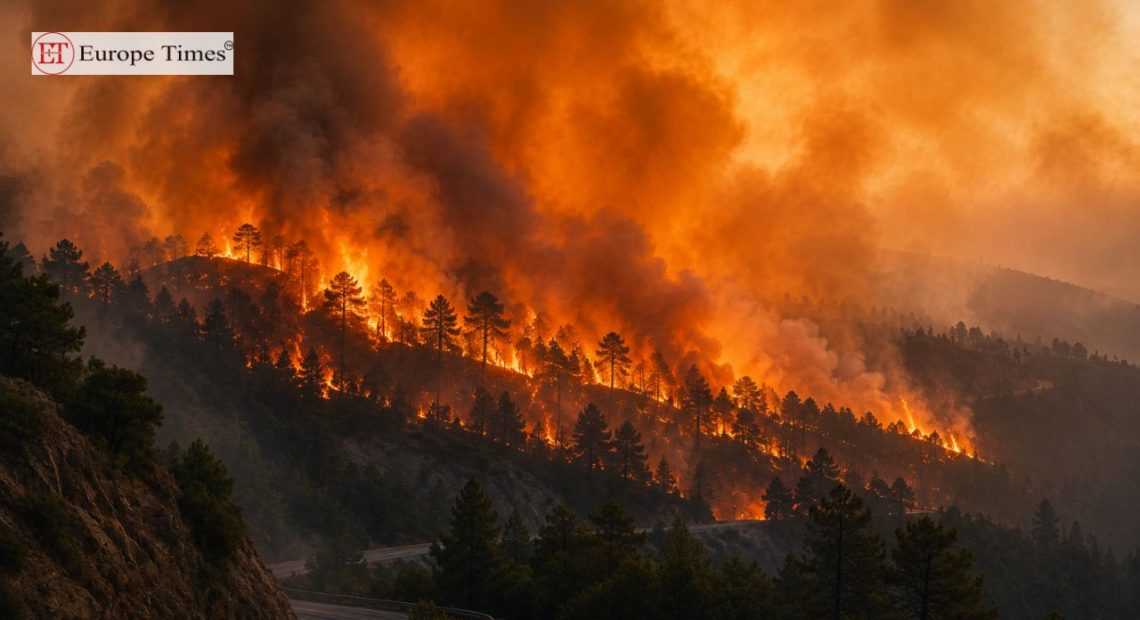
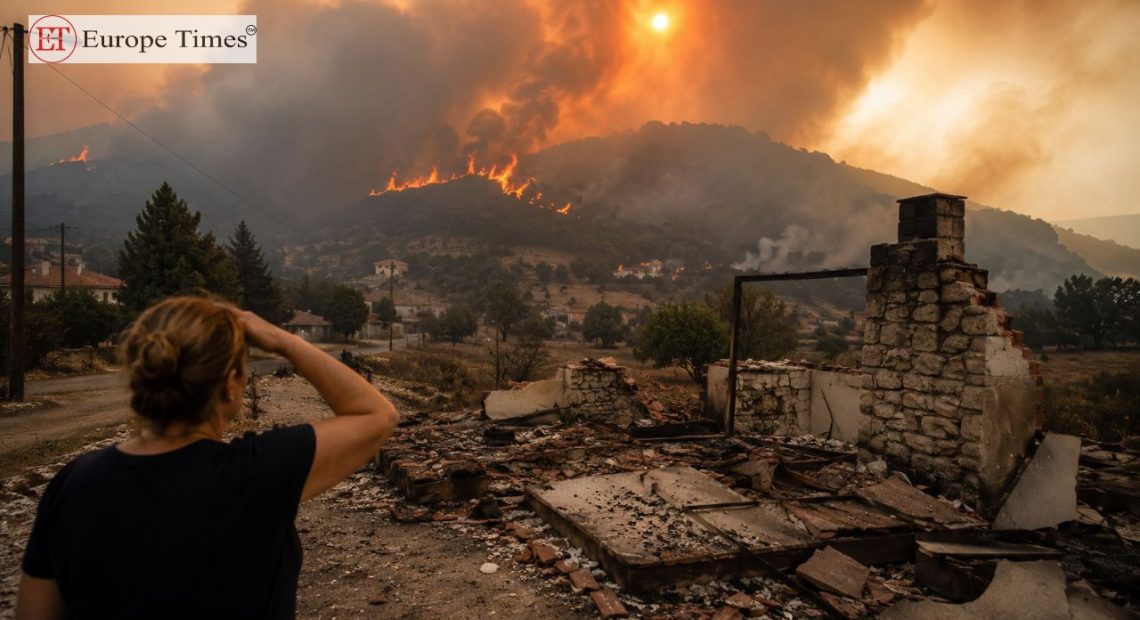
Thousands of residents across Spain have been allowed to return home after authorities lifted evacuation orders in parts of Madrid, Toledo, Ávila and Castellón following recent wildfires. More than 24,000 people in the Madrid region alone have returned, while restrictions affecting another 20,000 residents have also been removed. Despite the progress, emergency services remain on high alert as another intense heatwave approaches.
The massive wildfire near Burgohondo in Ávila, now considered the largest recorded wildfire in Spanish history, has burned more than 43,000 hectares and displaced around 40,000 people. Firefighters have managed to contain its spread, but officials warn that soaring temperatures, dry conditions and strong winds could quickly reignite the flames. Another wildfire near Vall d’Uixó, north-west of Valencia, remains out of control.

The wildfire threat extends beyond Spain, with France, Portugal and Greece also battling active blazes amid extreme summer temperatures. Authorities across southern Europe have increased emergency measures as climate change continues to fuel longer heatwaves, drier landscapes and more destructive wildfires, raising concerns over further damage in the coming days.

Pic courtesy: google/ images are subject to copyright

featured News Trending

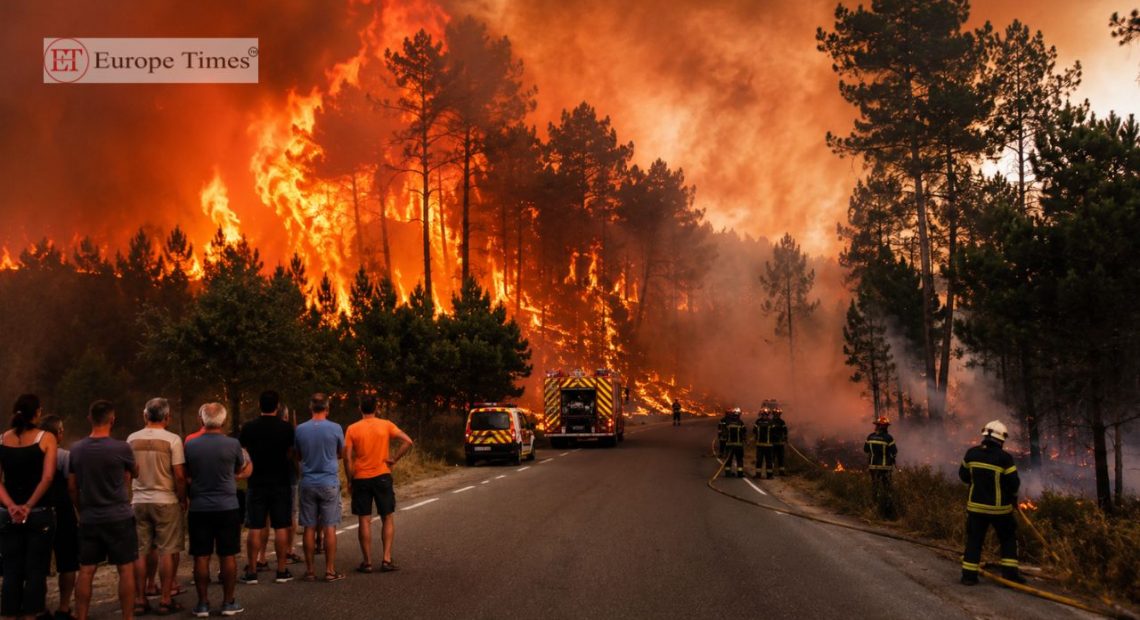
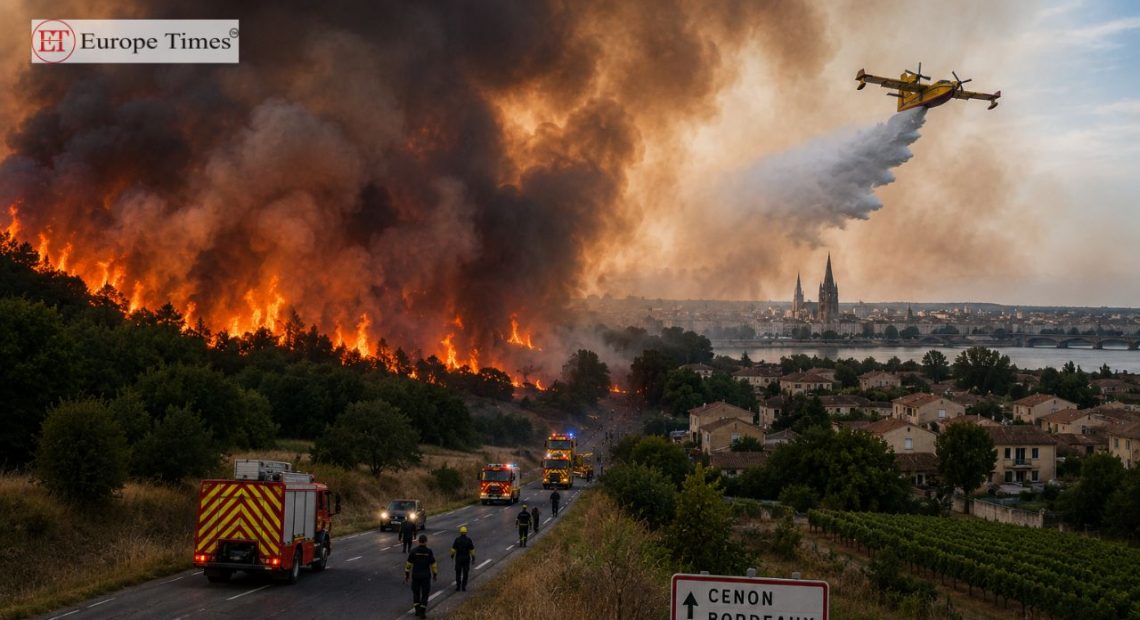
Wildfires in southwestern France advanced closer to Bordeaux on Saturday, forcing thousands of people to evacuate from the city’s suburbs. Strong winds fueled the flames, leading authorities to close Bordeaux Airport, deploy armed forces to support firefighters, and warn people to avoid travel in the affected areas.

In neighboring Spain, firefighters continued battling three major wildfires, two of which merged near Madrid. The country declared its first national wildfire emergency and received firefighting aircraft from several European nations, with additional water-dumping planes arriving from Italy and Greece as part of the European Union’s emergency response.

More than 197,000 people have been evacuated in France, while over 63,000 people in Spain have either been evacuated or told to remain indoors. Officials warned that prolonged heatwaves, dry conditions, and strong winds have intensified the fires, with residents advised to avoid outdoor activities due to heavy smoke and poor air quality.

Pic courtesy: google/ images are subject to copyright

featured News Trending

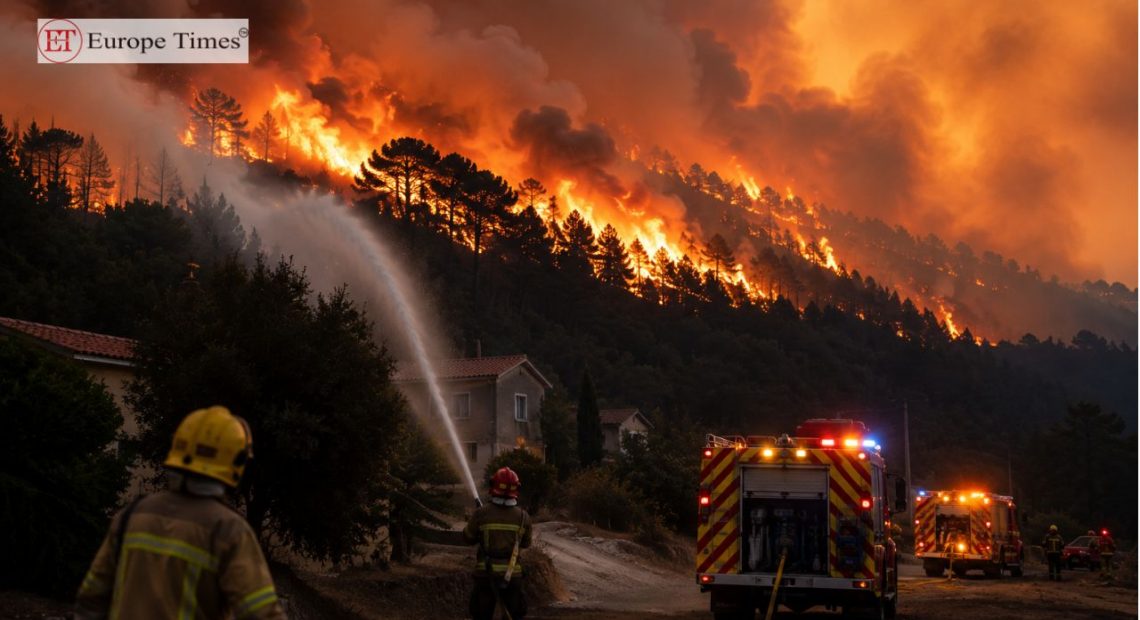
Spain has declared a national emergency as massive wildfires continue to spread across several regions, forcing the evacuation of more than 10,000 residents from Villa del Prado, San Martín de Valdeiglesias, Pelayos de la Presa, and Aldea del Fresno. The move places the response under the direct authority of the country’s Interior Ministry.

Under Spain’s National Civil Protection System, the Interior Minister will coordinate firefighting and emergency operations. Authorities said this is the first time a national emergency has been declared specifically due to a wildfire. More than 270 emergency personnel, 40 ground units, and Military Emergency Unit (UME) teams have been deployed to battle the fires.

The wildfires have already burned over 100,000 hectares across Spain this year, matching the country’s average annual burned area over the past decade. Officials said 13 people have lost their lives, making 2026 one of Spain’s deadliest wildfire seasons in recent decades.

Pic courtesy: google/ images are subject to copyright

featured News Trending

Around 12,000 people, including nearly 10,000 tourists, have been evacuated from France’s Gironde region as severe wildfires continue to spread across south-western parts of the country. More than 2,000 hectares of land have been destroyed, prompting authorities to close roads, restrict access to forested areas, and ban the use of combustion and electric engines in high-risk zones.

The wildfires come just days after two French firefighters lost their lives battling blazes near Bordeaux. The Gironde region remains under a red alert, while emergency services continue efforts to contain the fires. No new injuries have been reported, but officials warn that the extreme fire risk remains high due to ongoing heatwave conditions.

Elsewhere in Europe, Italy and Spain are also battling major wildfires. Sicily has recorded hundreds of fires, including several large blazes that triggered precautionary evacuations, while Spain continues firefighting operations near Madrid. Climate experts say Europe is experiencing increasingly intense heatwaves and wildfire seasons, with record temperatures and burned areas highlighting the growing impact of climate change.

Pic courtesy: google/ images are subject to copyright

featured News Trending

Firefighters in Spain and France are battling major wildfires as extreme heat and dry conditions continue to grip southern Europe. Spain’s largest wildfire of the year has scorched around 32,000 hectares in Guadalajara, though the blaze has begun to stabilise, allowing some evacuated residents to return home. In France, firefighters are working to contain multiple fires, including one in the Var region that has burned thousands of hectares and forced hundreds of people to evacuate.

Authorities have blamed the combination of intense heat, drought, and human activity for the growing number of fires. Two firefighters lost their lives in southwest France after their vehicle was engulfed by flames, while officials have imposed barbecue bans and urged the public to avoid activities that could spark new fires. Spain has already recorded 22 major wildfires this year, burning more than 100,000 hectares nationwide.

Scientists warn that climate change is increasing the frequency and intensity of heatwaves, droughts, and wildfires across Europe. While some regions are expected to see a brief drop in temperatures, weather agencies caution that fire risks remain extremely high and another surge in heat is likely in the coming days.

Pic courtesy: google/ images are subject to copyright

featured News Trending

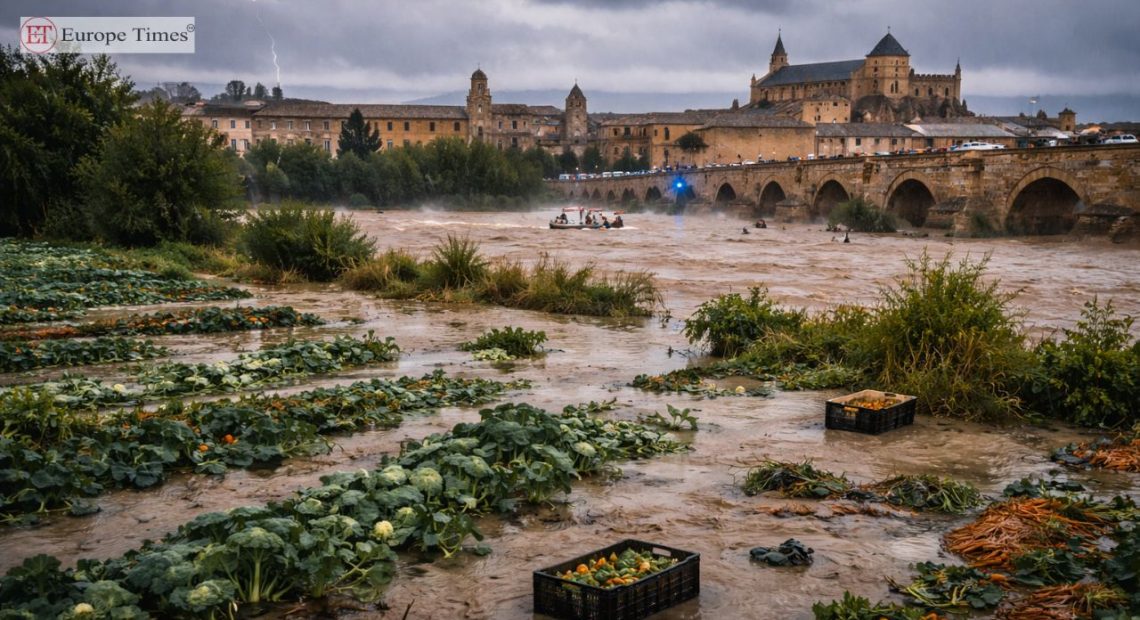
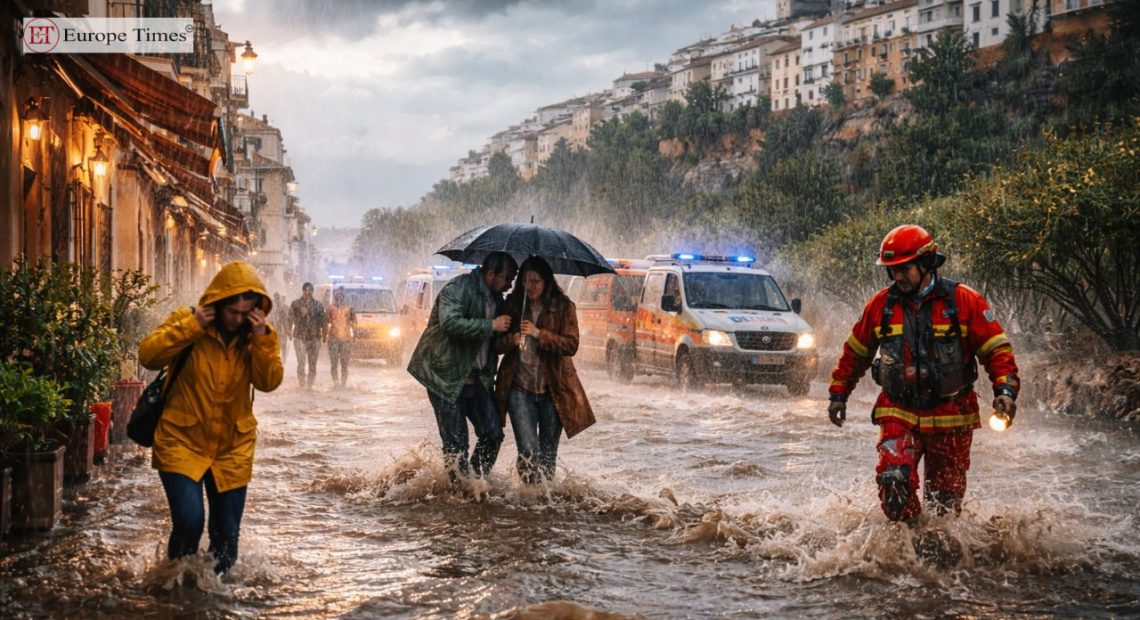
Farmers in Spain have reported catastrophic damage to crops as Storm Marta swept across the Iberian Peninsula, bringing torrential rain, strong winds and flooding. Large swathes of farmland have been submerged, particularly in southern regions such as Andalusia, where growers warned that vegetables including broccoli, carrots and cauliflower have been destroyed. The storm follows a series of extreme weather events in recent weeks that have already left soils saturated and vulnerable.

The severe weather has taken a deadly toll, with a snowplough driver killed in northern Spain after his vehicle plunged down a mountain slope, and a man drowning in Portugal. Authorities said at least five people have died since storms began hitting the region last week. More than 11,000 residents have been evacuated in southern Spain, hundreds of roads have been closed, and rail services in Portugal have faced major disruptions. Preliminary estimates from Portugal’s agriculture ministry put damage to farming and forestry at around €750 million.

Weather agencies warned that conditions could worsen, issuing orange alerts for heavy rain, snow and hazardous coastal conditions. Rising river levels, particularly along the Guadalquivir in Andalusia, have prompted evacuations and raised fears of landslides and ground instability. In Portugal, emergency services have deployed more than 26,000 rescue workers, while authorities postponed voting in several towns due to flooding, as Spain and Portugal brace for further impact from Storm Marta.

Pic courtesy: google/ images are subject to copyright

featured News Trending

Spanish and Portuguese authorities are preparing for the impact of Storm Leo, which has brought torrential rains to the Iberian Peninsula just a week after Storm Kristin caused widespread damage. In southern Spain’s Sierra Grazalema, rainfall is expected to reach levels equivalent to a full year’s precipitation, prompting class suspensions and travel warnings across affected areas.

The storm has raised concerns over flooding, especially as the ground remains saturated from January’s record rainfall. Emergency services in Andalusia have deployed personnel, aircraft, and helicopters to monitor flood-prone zones, stabilize landslide areas, and provide rapid response to evacuations. Around 3,000 residents in high-risk zones such as Grazalema, Campo de Gibraltar, Ronda, and Jaen have already been evacuated.

In Portugal, the national Civil Protection Service has raised its preparedness to the highest level, deploying up to 3,000 armed forces personnel and 42 inflatable boats to protect flood-prone sections of major rivers. Authorities have urged residents to avoid non-essential travel, close day centres, and cancel outdoor activities as the storm progresses.

Pic courtesy: google/ images are subject to copyright

News Trending

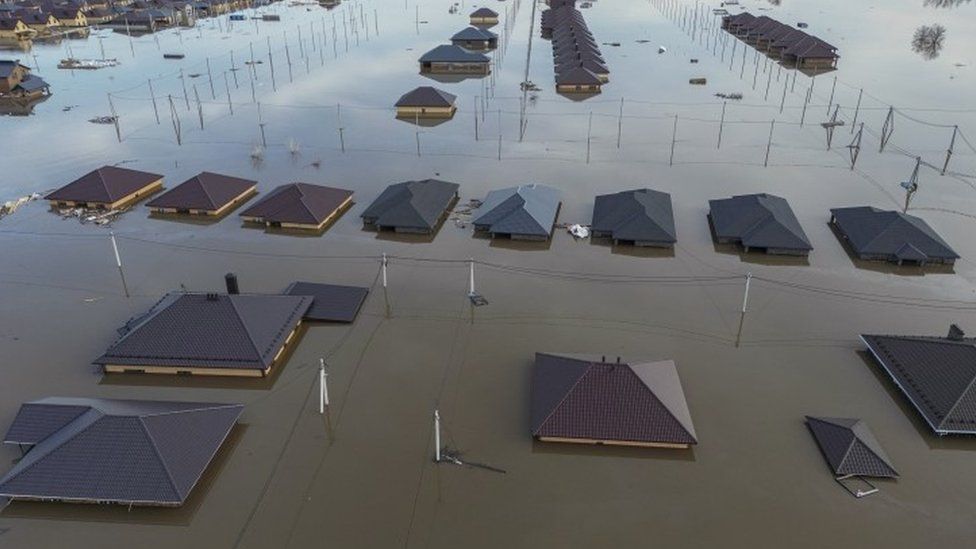
Severe flooding has struck Orenburg, Russia, with water levels soaring two meters above critical levels, leaving rooftops barely visible. The mayor has urged residents to evacuate immediately as sirens blare throughout the city. The crisis is expected to worsen, extending to neighboring regions, including Kazakhstan, where 100,000 people have already been displaced.

This flood is deemed the worst in 80 years, triggered by rivers, notably the Ural, overflowing due to rapid snow and ice melt exacerbated by heavy rains. Orenburg, with a population of half a million, faces unprecedented evacuations and extensive property damage, while downstream areas like Orsk grapple with their own challenges following dam breaches.

Further east, rivers like the Ishim and Tobol are rising to perilous levels, with floodwaters threatening northern Kazakhstan and prompting evacuations. Efforts to reinforce dams and declare states of emergency in affected regions are underway, yet the scale of this disaster surpasses anything witnessed in recent memory.

Picture Courtesy: google/images are subject to copyright

News Trending

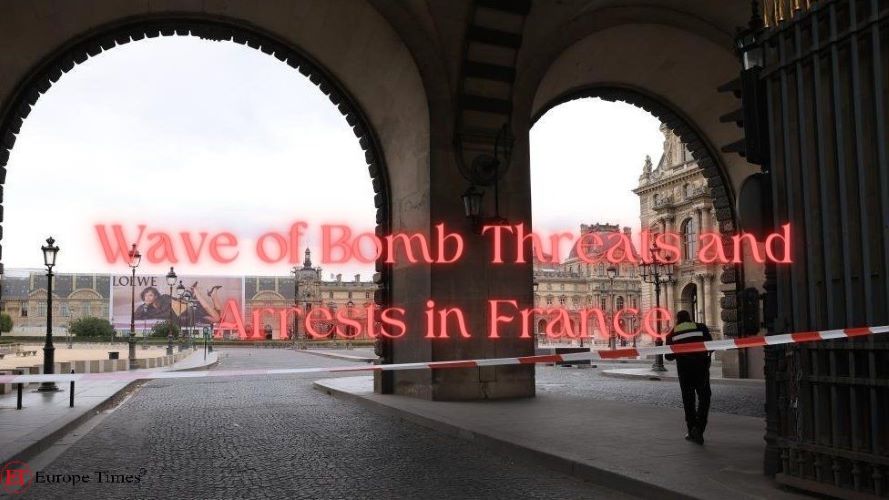
A recent spate of bomb threats in France has led to the arrest of 18 individuals, predominantly minors, involved in the disruptive activities. The threats have targeted significant landmarks such as the Palace of Versailles and the Louvre, along with schools, airports, and hospitals.

These incidents follow the recent stabbing of a teacher in Arras. Despite the heightened tension, the authorities maintain that there is no immediate specific threat. The bomb scares have been communicated through phone calls, emails, and a dedicated website.

Justice Minister Éric Dupond-Moretti has warned the culprits of the consequences they will face, as authorities employ various means, including IP addresses and phone numbers, to track them down. Perpetrating a fake bomb threat in France constitutes a punishable offense with potential imprisonment of up to three years and a fine of €45,000 (£39,000).

Picture Courtesy: Google/images are subject to copyright

News Trending

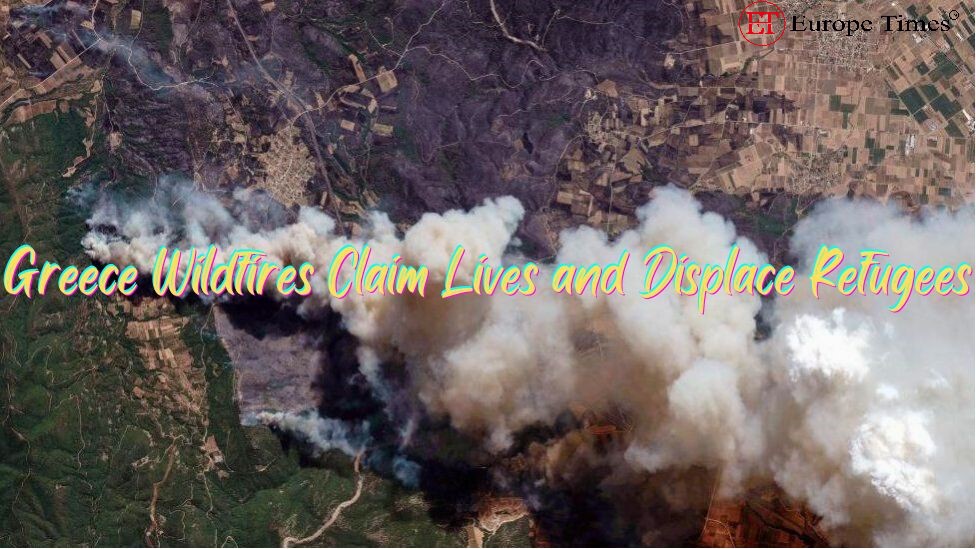
Wildfires in Greece have tragically led to the loss of 20 lives and are still raging out of control near Athens and the Evros region close to the Turkish border. Among those killed, 18 are believed to be refugees and migrants who had recently crossed the border and sought refuge in forests north of Alexandroupolis. Greece has expressed deep condolences for the deaths occurring in the Dadia forest near the Turkish border. The fires have been ongoing for five days and have extended along the coast and near the city. Efforts to contain the fires are being hampered by strong winds and scorching temperatures of up to 40°C (104°F).

The victims’ bodies were discovered near a shack close to the village of Avantas, north of Alexandroupolis, by the fire service. The fire service and local authorities had issued evacuation warnings through emergency services. The victims are believed to have recently crossed the border from Turkey along the River Evros, which is a common route for migrants and refugees attempting to enter the European Union. The risk of wildfires adds to the many dangers migrants and refugees face in their journey, including violence, arrest, and drowning in the Mediterranean.

The victims are predominantly male, with two of them being minors. The bodies were found within a relatively small radius, and their identification is expected to be challenging, necessitating the involvement of their relatives. Some individuals had been attempting to follow a well-established path through the forest to avoid detection.

Tensions have arisen in the local communities as some residents blame migrants for causing the fires. However, there is no concrete evidence to suggest that migrants were responsible for starting the Dadia forest fire. A video showing a man “arresting” migrants and refugees and accusing them of arson provoked outrage in Greece, leading to the arrest of the man behind the video and others involved.

In response to the tragic events, the Supreme Court Prosecutor initiated inquiries into both the causes of the fires in the Evros region and incidents of alleged racist violence against migrants following the deaths in the Dadia forest.

As the fires continue to spread, evacuations have been conducted in various areas, including villages near Alexandroupolis and parts of the capital city, Athens. The situation remains challenging for firefighters, compounded by the evacuation of nursing homes and the destruction of homes in some areas.

Picture Courtesy: Google/images are subject to copyright