featured News Trending

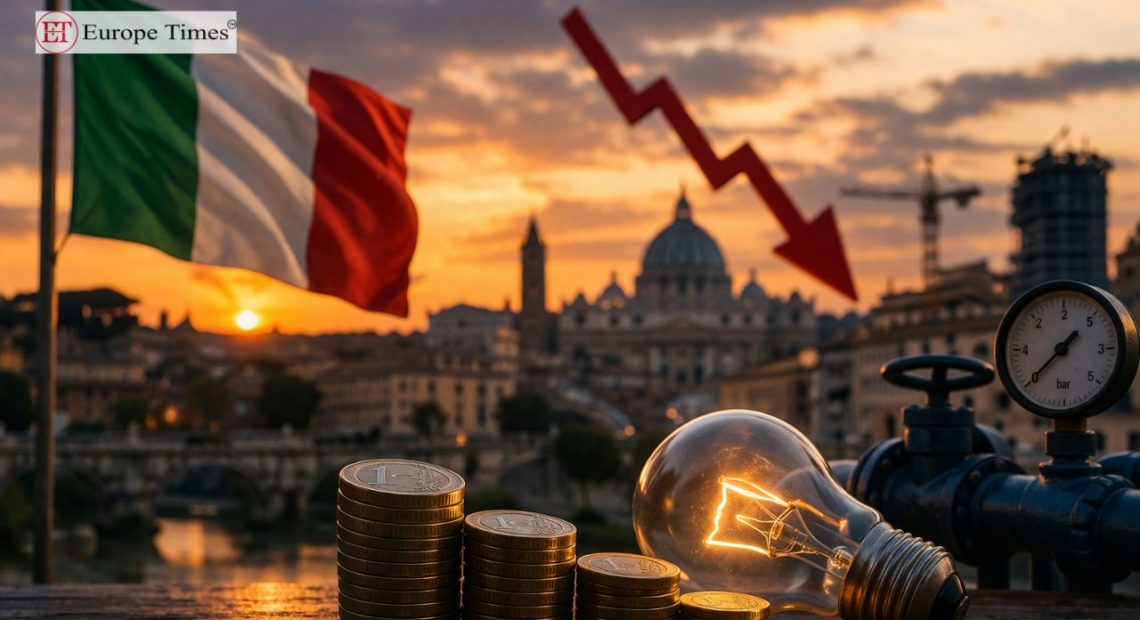
Italy is set to lower its economic growth forecasts as rising energy prices continue to pressure its economy, Economy Minister Giancarlo Giorgetti said. The government is expected to trim this year’s GDP growth estimate to around 0.5%–0.6%, down from 0.7%, while next year’s outlook may also be reduced slightly. The slowdown is largely attributed to external and temporary factors, particularly the ongoing energy crisis.

The weaker growth outlook complicates Italy’s efforts to reduce its budget deficit below the European Union’s 3% threshold. With the deficit already projected at 3.1% in 2025, slower expansion could limit fiscal room and make it harder to meet agreed targets. Despite these challenges, officials maintain that recent data does not indicate any structural weakness in the economy.

Italy has urged the European Union to consider temporarily easing its budget rules if geopolitical tensions, especially involving Iran, worsen further. While existing mechanisms allow flexibility during severe downturns, current conditions do not yet meet that threshold. Meanwhile, Italy remains under EU scrutiny for its deficit, restricting its ability to introduce major relief measures.

Pic courtesy: google/ images are subject to copyright

featured News Trending

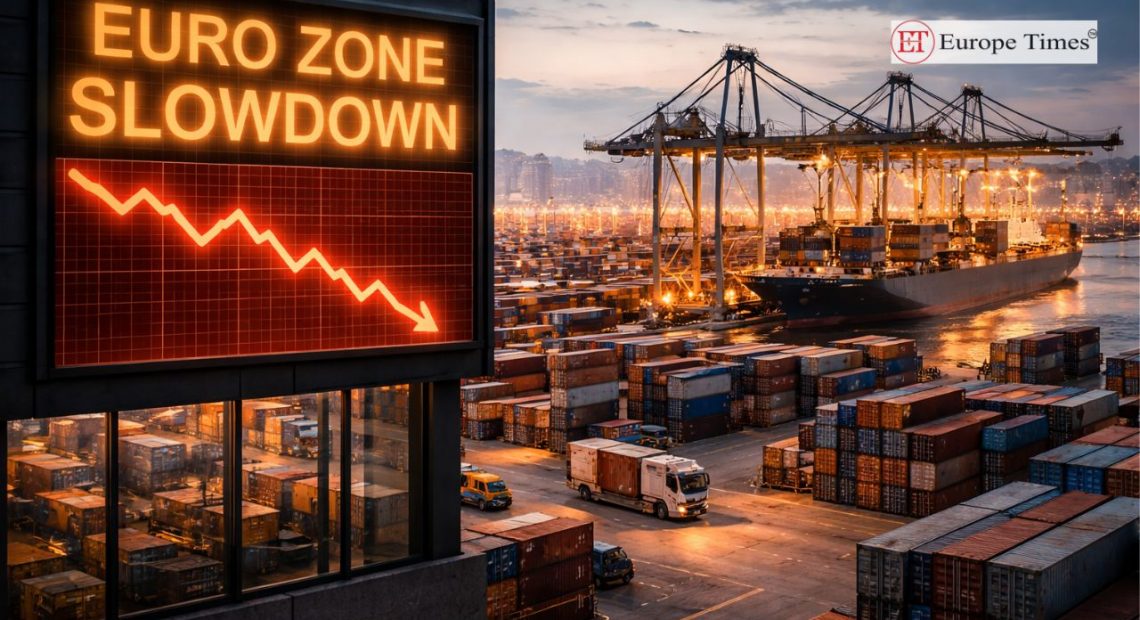
Economic growth across the euro zone slowed sharply in March as rising energy costs and supply chain disruptions weighed on business activity. According to data from S&P Global, the composite Purchasing Managers’ Index (PMI) for the region fell to 50.7 from 51.9 in February, marking its lowest level in nine months, though still marginally indicating expansion.

The slowdown was largely driven by weakening demand, with new business declining for the first time in eight months. Analysts from S&P Global Market Intelligence highlighted that the ongoing Middle East conflict has pushed up energy prices and disrupted supply chains, erasing earlier signs of recovery. Export orders also dropped, with international demand for services seeing its steepest fall in six months.

Business confidence and employment levels weakened, raising concerns about future growth. While countries like Spain showed resilience, major economies such as France and Italy contracted, and Germany’s growth slowed significantly. Rising input costs, now at a three-year high, have forced companies to increase prices, pushing inflation above the European Central Bank target and complicating the balance between controlling inflation and sustaining economic growth.

Pic courtesy: google/ images are subject to copyright

featured News Trending

A European Central Bank policymaker has warned that inflation expectations in the euro zone could climb faster than previously seen, urging the ECB to remain ready to raise interest rates if price pressures persist. Dimitar Radev said rising energy costs linked to the Iran conflict have pushed inflation above the ECB’s 2% target, increasing risks that higher prices could spread across the broader economy.

Radev noted that the balance of economic risks has shifted in an unfavorable direction, with the likelihood of a more adverse scenario increasing due to ongoing uncertainty and energy market disruptions. Policymakers are concerned that consumers and businesses, still influenced by the inflation surge following Russia’s invasion of Ukraine, may quickly adjust wage and pricing behavior, potentially triggering a self-reinforcing inflation cycle.

While inflation expectations remain broadly anchored and no strong second-round effects are visible yet, the ECB cannot assume stability will continue, Radev said. Financial markets already expect multiple rate hikes this year, though it remains too early to determine whether action will come at the April meeting. The ECB will closely monitor wages, energy prices, economic sentiment, and the duration of geopolitical tensions before making policy decisions.

Pic courtesy: google/ images are subject to copyright

featured News Trending

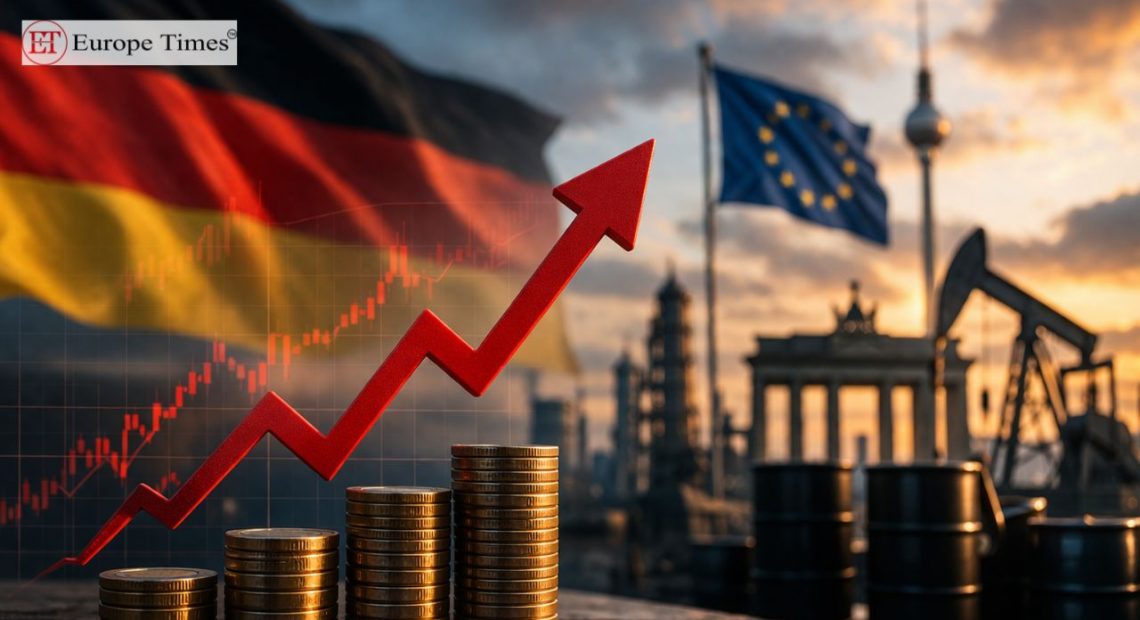
Inflation increased to at least 2.5% across four German states in March, driven largely by rising energy prices linked to the ongoing U.S.-Israeli conflict with Iran. In North Rhine-Westphalia, Germany’s most populous state, annual inflation climbed to 2.7% from 1.8% in February. Similar increases were recorded in Bavaria, Baden-Wuerttemberg and Lower Saxony, signalling a likely nationwide rise in inflation figures expected later in the day.

Economists surveyed by Reuters predict Germany’s harmonised inflation rate will reach 2.8% in March, up from 2.0% the previous month. Analysts warn that while energy costs are currently the main driver, broader price increases may follow. Berenberg Bank chief economist Holger Schmieding said higher transport costs and potential fertiliser shortages could push food prices higher, with inflation possibly exceeding 3% if the conflict continues.

A survey by the Ifo institute showed German companies increasingly expect to raise prices due to rising production and transport expenses. The data comes ahead of eurozone inflation figures, with markets anticipating further monetary tightening by the European Central Bank. Investors now expect up to three interest rate hikes this year as policymakers respond to mounting inflation pressures.

Pic courtesy: google/ images are subject to copyright

featured News Trending

EU Council President Antonio Costa warned that Russia has emerged as the primary beneficiary of the ongoing Middle East conflict, profiting from soaring energy prices and reduced international attention on its war in Ukraine. Speaking to EU ambassadors in Brussels, Costa said Russia gains new resources to finance its operations in Ukraine while the diversion of military capabilities weakens support for Kyiv.

Costa emphasized the broader risks of the conflict, noting that the Middle East war diverts focus from Ukraine and threatens regional stability. He urged international actors to return to the negotiating table to prevent further escalation and protect human rights.

Highlighting the need to uphold global norms, Costa stressed that freedom and human rights cannot be achieved through military action alone. He called for the EU to defend the rules-based international order and avoid paths that endanger Europe, the Middle East, and beyond.

Pic courtesy: google/ images are subject to copyright

featured News Trending

Europe’s retail industry is bracing for renewed pressure as rising energy prices linked to the ongoing U.S.-Israeli conflict with Iran threaten to push operating costs higher. Retail stocks, including Zara owner Inditex and Britain’s Marks & Spencer, fell as investors warned that higher fuel and gas prices could hurt an already fragile sector. The industry has barely recovered from the inflation shock caused by soaring energy costs following Russia’s invasion of Ukraine, while consumer demand across the euro zone and the UK remains weak.

Retailers are particularly vulnerable because energy costs directly affect supply chains and store operations. Transport expenses, which account for about 5% to 10% of a retailer’s operating costs, are expected to rise as fuel prices climb. Supermarkets and shopping centres also face higher electricity expenses for refrigeration, heating, air conditioning and lighting. At the same time, rising oil prices are pushing fertiliser costs higher, adding further pressure on food producers and ultimately driving up prices across the supply chain.

Analysts warn that the sector may struggle to pass on higher costs to consumers because household spending power has already been weakened by years of inflation. Clothing retailers could be especially exposed, as fashion spending is often the first to be cut when essential costs rise. With Europe’s retail and consumer goods sector already among the most financially distressed industries, industry groups are calling on governments to limit additional inflationary pressures and protect consumers from further cost increases.

Pic courtesy: google/ images are subject to copyright