

featured News Trending

Germany’s iconic Bauhaus movement has become a focal point in a growing cultural debate ahead of September’s state election in Saxony-Anhalt, where the far-right Alternative for Germany (AfD) is leading opinion polls. The party has pledged a “patriotic cultural policy” and argues that Bauhaus architecture represents rootless globalism rather than nationally grounded German traditions.
Founded after World War I, the Bauhaus school revolutionized architecture and design through its minimalist use of glass, steel, and concrete, influencing buildings and household products worldwide. While the AfD criticizes modernist architecture and state support for what it calls “anti-German” culture, Bauhaus supporters say the movement reflects innovation, openness, and an important chapter of German history.

Cultural leaders and academics have expressed concern that an AfD victory could reshape cultural and educational policies in the state. Although Germany’s federal system limits sweeping changes, observers say Saxony-Anhalt could serve as a testing ground for the party’s broader cultural agenda, placing institutions such as Bauhaus and universities under increased political scrutiny.

Pic courtesy: google/ images are subject to copyright

News Trending

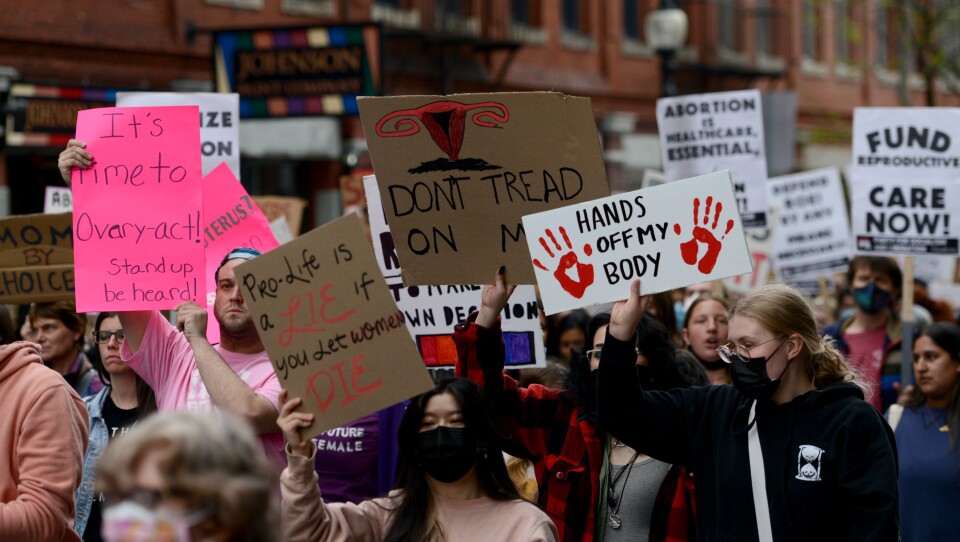
An expert commission appointed by the government in Germany has recommended legalizing abortion within the first 12 weeks of pregnancy. Currently, while abortions are technically illegal, exceptions exist for cases such as medical consultation beforehand, rape, or danger to the woman’s life. However, the ambiguous legal situation leads to challenges for both women seeking abortions and healthcare providers, contributing to stigma and uneven access to services, especially in rural areas.

The commission’s report, released a year ago, argues that maintaining the status quo is untenable in light of constitutional, human rights, and European law considerations. However, the government is not bound to follow the commission’s recommendations, and conservative opposition parties are threatening legal action if the law is changed. They accuse the commission of bias and claim the government is initiating a culture war over abortion rights.

While Germany has generally avoided the intense politicization of abortion seen in other countries, such as Poland or the US, upcoming national elections next year could intensify the debate. Politicians may use the issue to rally support amidst declining popularity, potentially prolonging the discussion and fueling further polarization.

Picture Courtesy: Google/images are subject to copyright