featured News Trending

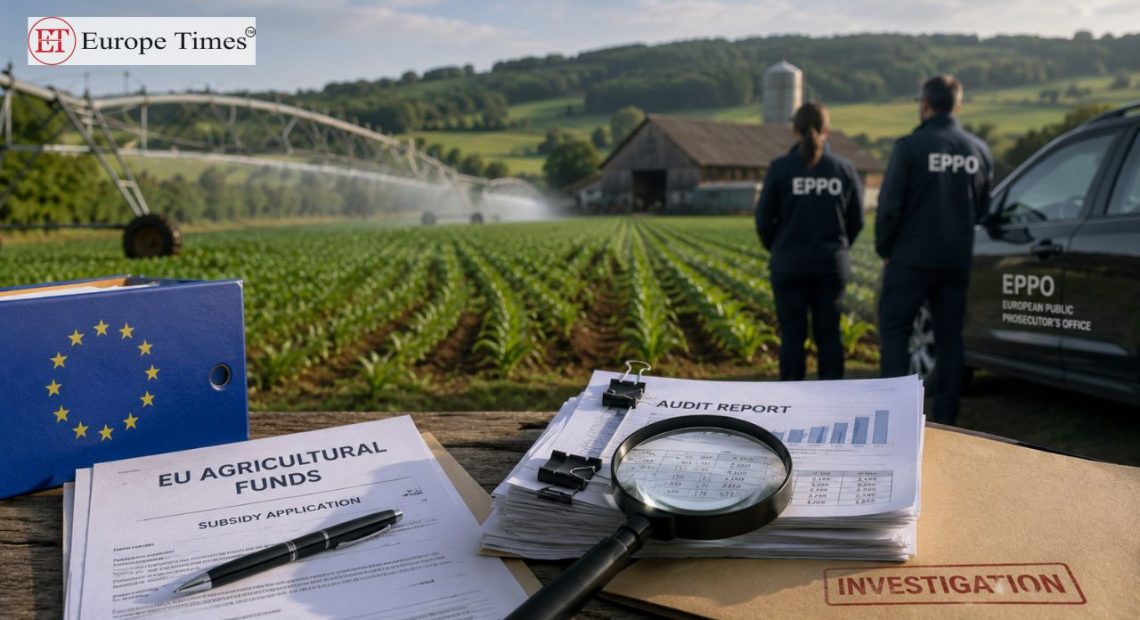
The European Public Prosecutor’s Office has launched a criminal investigation into suspected corruption and fraud involving European Union agricultural funds in Croatia. Authorities confirmed that police are collecting evidence across several central regions as part of the ongoing probe.

According to prosecutors, the case involves Croatian nationals accused of abuse of power, bribery, subsidy fraud, and document forgery within an organized network. The alleged activities are believed to have harmed the financial interests of the European Union, though officials have withheld detailed information to protect the integrity of the investigation.

The development follows a similar controversy in Greece, where EU prosecutors recently uncovered widespread fraud linked to farm subsidies. That scandal led to fines, political fallout, and legal action against multiple individuals, highlighting growing concerns over the misuse of EU agricultural funding across member states.

Pic courtesy: google/ images are subject to copyright

featured News Trending

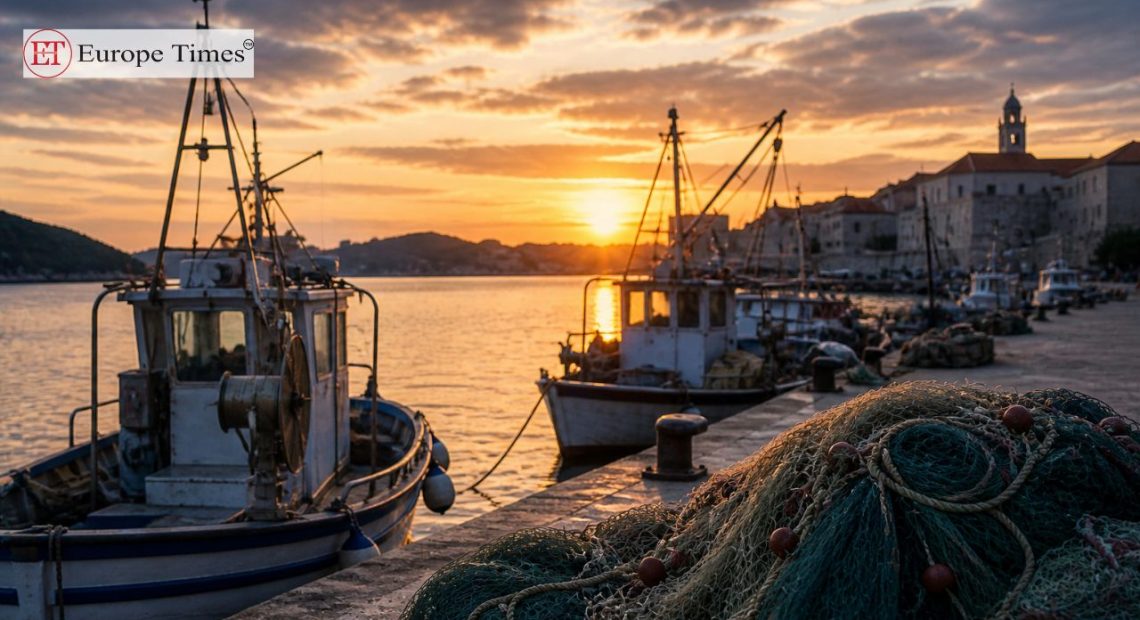
Fishermen along Croatia’s Adriatic coast are suspending operations as soaring fuel prices—linked to tensions around Iran—make their work financially unsustainable. In Dubrovnik, fishing captain Dinko Cvjetojevic said that despite favorable weather and abundant fish, many boats remain docked as the cost of fuel has sharply increased.

Fuel expenses now account for as much as 90% of operating costs, nearly double the share before disruptions affected oil flows through the Strait of Hormuz. Cvjetojevic noted that while he had stockpiled some fuel to keep one vessel running temporarily, the situation is becoming untenable and may force a complete halt to operations within weeks.

The crisis threatens a key local industry that supports jobs and supplies seafood to the tourism sector, a major pillar of Croatia’s economy. Fishermen who once distributed catch across regions and exported to nearby countries have scaled back to local sales. Without government assistance, Cvjetojevic warned, many in the industry may not survive if fuel prices remain high.

Pic courtesy: google/ images are subject to copyright

featured News Trending

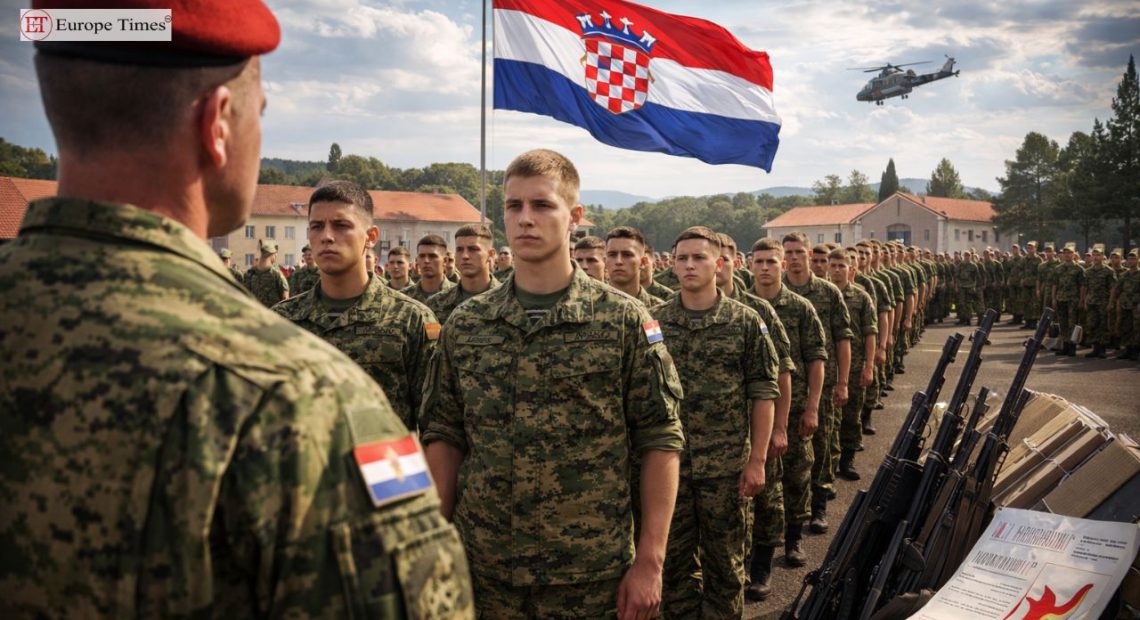
Hundreds of teenagers in Croatia have begun compulsory military service after the government reinstated conscription for the first time since it was abolished in 2008. Around 800 recruits reported to army barracks across the country, where they received their equipment and accommodation assignments before starting two months of training. Officials said more than half of the recruits volunteered for the programme, while about 10% of them are women, who are not required to serve under the new policy.

According to the Armed Forces of Croatia, the training programme will combine traditional military drills with modern defence skills such as drone operation, cyberwarfare basics and counter-drone protection. Chief of the General Staff Tihomir Kundid said recruits would be gradually introduced to military discipline to avoid excessive stress. The government also confirmed that only a small number of people have registered as conscientious objectors, who will instead complete four months of civilian service with lower financial allowances.

Officials say the decision to restore conscription reflects growing security concerns in Europe following the war in Ukraine. Defence Minister Ivan Anusic noted that the region’s security environment has changed significantly in recent years, prompting Croatia to strengthen its defence readiness. The move also reflects a broader trend across Europe, with several NATO member states reintroducing or maintaining mandatory military service amid rising geopolitical tensions.

Pic courtesy: google/ images are subject to copyright

featured News

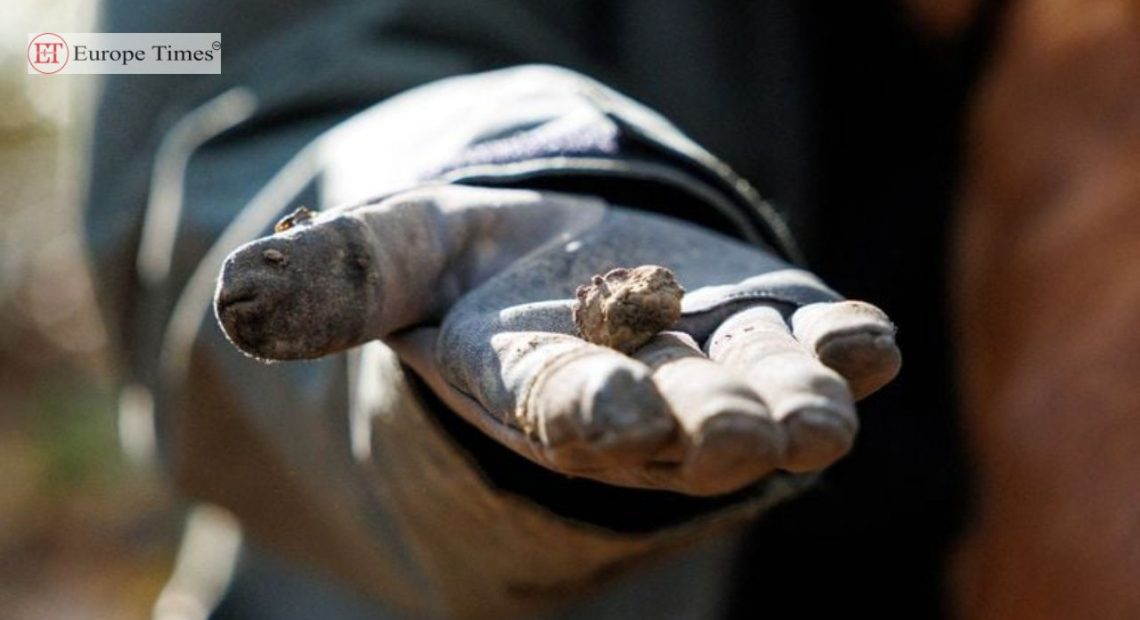
In Croatia’s Istria region, truffle hunter Ivana Karlic Ban and her dogs scour the autumn forests for white truffles — one of the world’s most expensive delicacies, fetching up to €7,000 per kilogram. These rare fungi, which grow underground from September to December in harmony with certain trees, are found only in Croatia and Italy and cannot be cultivated like their black counterparts.

Karlic Ban, a third-generation truffle hunter, continues her family’s long-standing tradition in the village of Paladini near Buzet. Together with her brother, she runs a shop offering unique truffle-based creations, including truffle-infused chocolate and even dog treats. Their business celebrates Istria’s rich culinary heritage while adapting to modern gourmet tastes.

However, the white truffle’s future is under threat. Climate change and deforestation have diminished its natural habitat, leading to lower yields. “Severe droughts stop the fungus from forming, while heavy rains make it rot,” Karlic Ban explains. With fewer truffles being found each season, prices continue to climb — turning the hunt into a race against time and nature.

Pic Courtesy: google/ images are subject to copyright

featured News Uncategorized

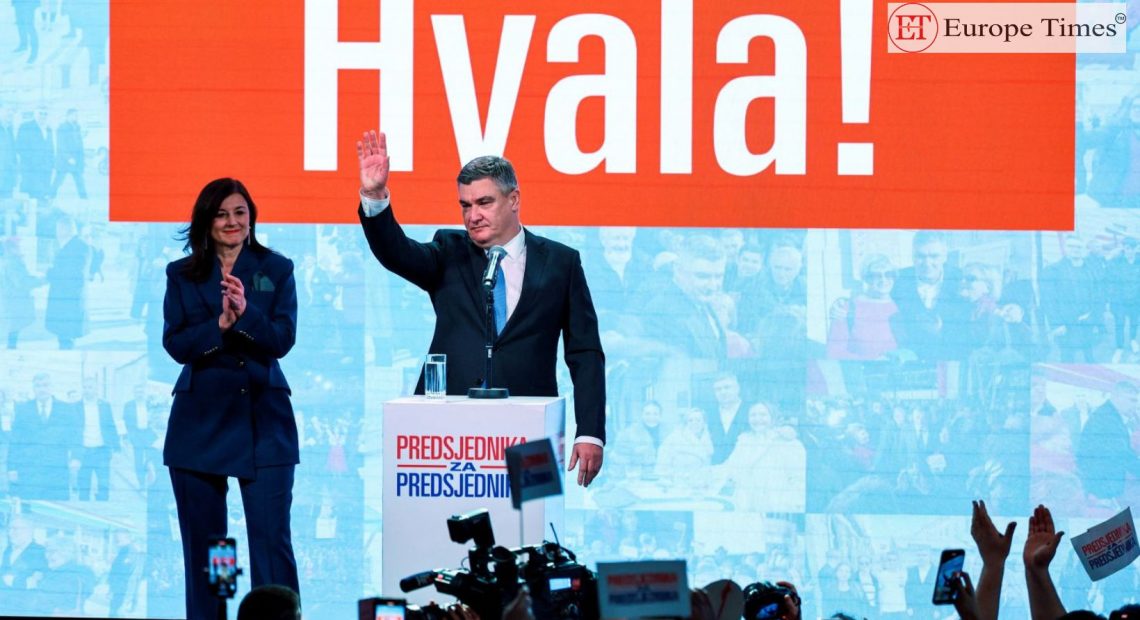
Zoran Milanovic has been re-elected as Croatia’s president, winning nearly three-quarters of the vote in the presidential election. His opponent, Dragan Primorac, backed by the ruling Croatian Democratic Union (HDZ), managed just 25% of the vote, marking the party’s worst-ever electoral performance. The outcome reflects a resounding endorsement of Milanovic despite his frequent critiques of the government.

Prime Minister Andrej Plenkovic, leader of the HDZ, offered a muted response, refraining from congratulating Milanovic and criticizing him as offering “nothing.” Milanovic, in contrast, extended an olive branch, stating he would “offer a hand” to the prime minister. As a ceremonial head of state, Milanovic’s role is constitutionally non-partisan, yet his presidency has been marked by outspoken criticism of the government on issues such as corruption, inflation, and healthcare.

A seasoned politician, Milanovic served as prime minister from 2011 to 2016 and led the centre-left Social Democratic Party (SDP) for nearly a decade. His presidency has also seen controversy, including a failed attempt to run for prime minister last year, ruled unconstitutional by the courts. While Milanovic has condemned Russia’s invasion of Ukraine, his criticism of Western military support for Kyiv has drawn international attention.

Pic Courtesy: google/ images are subject to copyright

featured News Trending

On Friday, four Balkan countries—Albania, Bosnia, Montenegro, and significant parts of the Croatian coast—experienced simultaneous power outages lasting several hours amid a summer heatwave. The blackouts, which began at 13:00 local time (11:00 GMT), were triggered by a surge in power demand as residents used air conditioning to cope with the high temperatures, which approached 40°C.

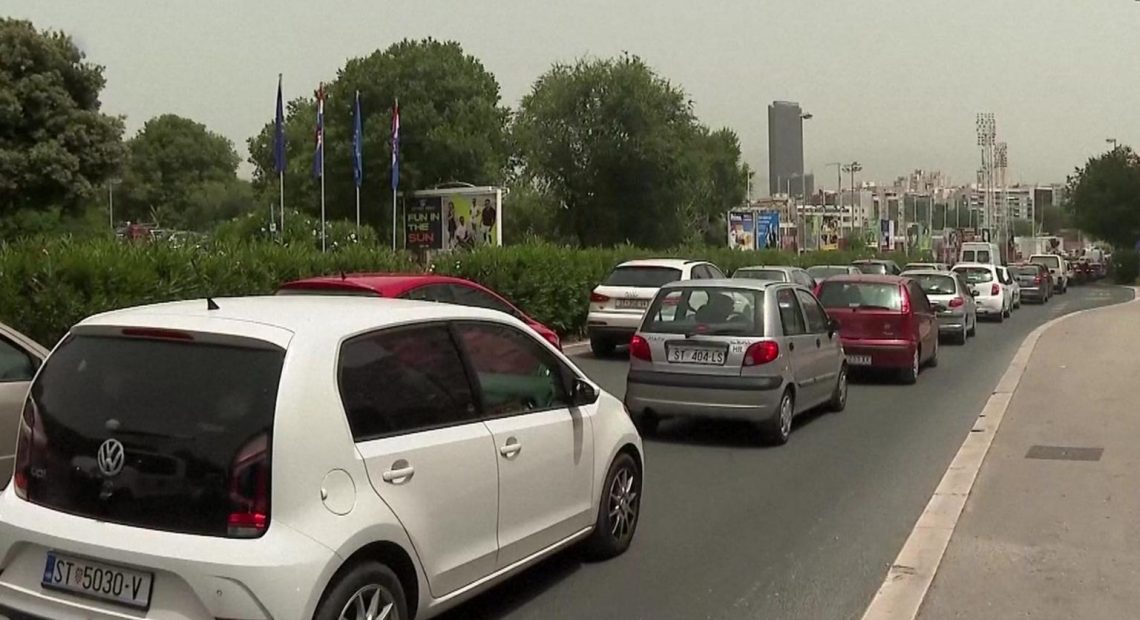
In Bosnia and Croatia, the outages disrupted traffic lights, leading to transportation chaos in major cities such as Sarajevo and Split. Montenegro’s capital, Podgorica, saw even water pumps cease operation. Power suppliers managed to largely restore electricity by the evening but were still investigating the cause of the failure within the interconnected power systems of the four nations.

The power loss affected Croatia’s tourism sector, with Dubrovnik’s restaurants, pubs, and supermarkets closing and leaving tourists in disarray. Montenegro’s Energy Minister, Sasa Mujovic, attributed the blackouts to a sudden spike in power consumption due to the heat. Reports from Montenegro’s Vijesti TV mentioned a fire in a power transmission line near the Bosnian border, though its connection to the blackouts was unclear.

In Albania, power was restored within half an hour, but officials warned of a high risk of further outages due to continued high energy usage. The western Balkans are transitioning from coal-based energy production, a major source of greenhouse gas emissions, to solar energy. However, industry officials indicate that the aging power infrastructure is not yet fully equipped to handle this shift.

Picture Courtesy: Google/images are subject to copyright

featured News Trending

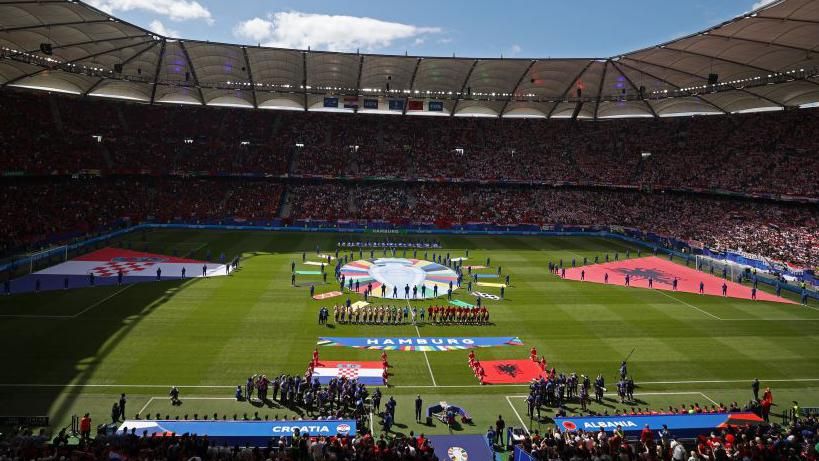
Serbia has threatened to withdraw from Euro 2024 due to chants between fans during the Croatia-Albania match on Wednesday, where chants about the killing of Serbians were heard during the 2-2 Group B draw. Jovan Surbatovic, the general secretary of the Serbian Football Association, called for severe sanctions from UEFA, stating, “What happened is scandalous and we will ask [European governing body] Uefa for sanctions, even if it means not continuing the competition.”

Serbia, part of Group C, lost 1-0 to England in their tournament opener on Sunday. Surbatovic expressed confidence that punishments would follow, especially after UEFA revoked the credentials of Kosovar journalist Arlind Sadiku. Sadiku made a provocative double-handed eagle gesture, symbolizing Albania’s national flag, towards Serbian fans during the England game, exacerbating tensions between Serbian nationalists and ethnic Albanians, predominantly in Kosovo.

Surbatovic demanded that UEFA sanction both federations involved, indicating Serbia’s willingness to reconsider their participation if no actions were taken. The Serbian FA also sent a letter to UEFA’s general secretary Theodore Theodoridis, condemning the “shameful joint chanting.”

The BBC reached out to UEFA for comments on the issue. Serbia was previously fined £12,250 for fan misconduct during the England match, and both Serbia and Albania faced fines for displaying nationalist banners during their opening matches.

Surbatovic claimed, “We were punished for isolated cases and our fans behaved much better than the others,” emphasizing that the actions of a single fan should not tarnish the entire Serbian fanbase. He appealed to Serbian fans to continue demonstrating gentlemanly conduct.

Serbia’s next game is against Slovenia at 14:00 BST on Thursday.

Picture Courtesy: Google/images are subject to copyright

News Trending

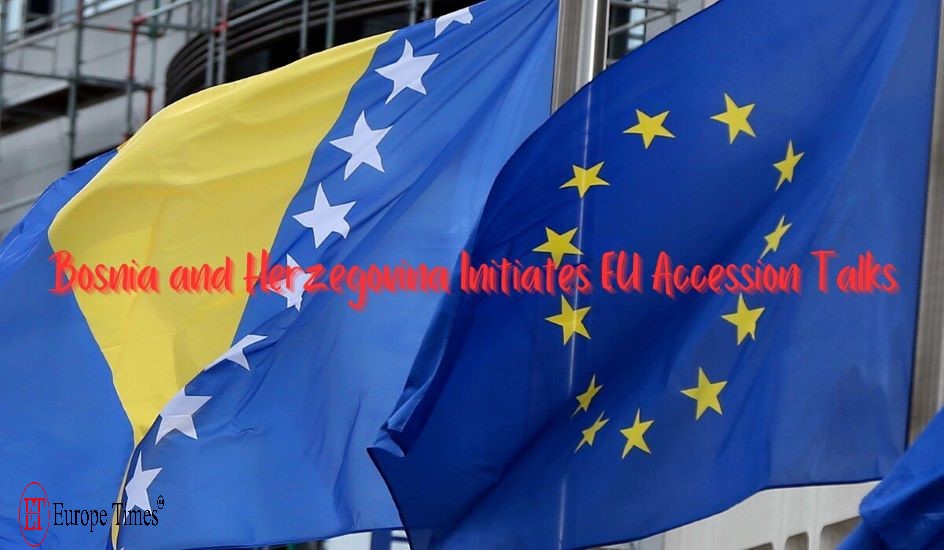
Bosnia and Herzegovina is set to begin negotiations for EU membership, marking a significant milestone eight years after the formal application was submitted. Following a recommendation from the European Commission last week, EU leaders have approved the initiation of talks. European Council President Charles Michel extended congratulations to Bosnia and Herzegovina’s leaders, affirming their place within the European family. He emphasized the importance of continued efforts for progress, a sentiment echoed by Borjana Krišto, Chairwoman of the Council of Ministers of Bosnia and Herzegovina, who expressed gratitude for achieving the necessary compliance with EU requirements.

The approval for Bosnia’s EU talks has been welcomed as a positive development by leaders across Europe. German Chancellor Olaf Scholz hailed it as a good message for the entire region, while Croatia’s Prime Minister Andrej Plenković described it as a historic day for Bosnia and Herzegovina.

The road to EU membership has been long for Bosnia, with the country formally obtaining candidate status in 2022 after applying for membership in 2016. In the past year, Bosnia has made strides in passing laws aligned with EU priorities, particularly focusing on areas such as democracy, the rule of law, fundamental rights, and public administration reform.

Despite progress, Bosnia remains ethnically and politically divided, a legacy of the 1992-95 war. Further economic and democratic reforms will be necessary before formal EU accession can occur.

The EU’s commitment to the Western Balkans has been underscored by recent events, particularly in light of the conflict in Ukraine. Other countries in the region, including Albania, Georgia, Kosovo, Moldova, Montenegro, North Macedonia, Serbia, Turkey, and Ukraine, are also at various stages of the EU application process.

Picture Courtesy: Google/images are subject to copyright

News Trending

Croatia’s foreign minister, Gordan Grlić-Radman, caused a stir when he greeted his German counterpart, Annalena Baerbock, with a kiss during an EU ministers meeting in Berlin on Thursday.

The act drew criticism from some Croatian media outlets, with women’s rights activist Rada Boric deeming it “highly inappropriate.” Grlić-Radman defended the gesture, stating that it was a “warm, human approach to a colleague” and acknowledging that it might have been perceived as awkward.

He apologized “to whoever took it that way.” As of now, Annalena Baerbock has not made any comments regarding the incident.

Picture Courtesy: Google/images are subject to copyright

News Trending

Severe flooding and strong winds have ravaged large parts of Tuscany, resulting in the loss of five lives and leaving several others missing. The River Bisenzio overflowed, sweeping away cars and forcing people to seek refuge on rooftops. The impact of the storm, named Ciarán, extended beyond Italy, causing more than 12 fatalities across Western Europe. France experienced winds reaching 207 km/h (129 mph), while Belgium reported two casualties due to falling trees, including a five-year-old child.

The havoc extended to other countries, with disruptions in transportation and power outages. Jersey’s residents were evacuated from their homes, and the storm caused chaos in various regions of Europe, including southern England, Belgium, the Netherlands, Germany, and the Atlantic coasts of Spain and Portugal.

In Tuscany, the situation was particularly dire, with Livorno, Prato, and Montemurlo being among the hardest-hit areas. Montemurlo witnessed a deluge of 200mm (7.8in) of rain in less than a day, leading to the River Bisenzio breaching its banks in multiple locations. The flooding claimed the life of an 85-year-old man who was unable to escape his submerged home. The governor of Tuscany described the rainfall as unprecedented in a century and urged people to seek safety on higher floors.

Videos captured the terrifying sight of vehicles being swept away by the floodwaters. Campi Bisenzio residents were forced to take refuge on their rooftops, while around 100 individuals sought shelter in a local shopping center. Meanwhile, the mayor of Prato lamented the devastating impact, with extensive flooding leaving vast areas underwater and the town’s Santo Stefano hospital partially inundated.

Additionally, the storm caused significant damage in Milan, leading to a second instance of flooding in a single week after the River Seveso overflowed. Veneto, in the northeast, faced similar challenges, with one person reported missing and 160mm of rainfall in just 24 hours. Further east, red weather alerts were issued in Slovenia and Croatia, warning of strong cyclones, high winds, hail, and thunderstorms.

Picture Courtesy: Google/images are subject to copyright