featured News Trending

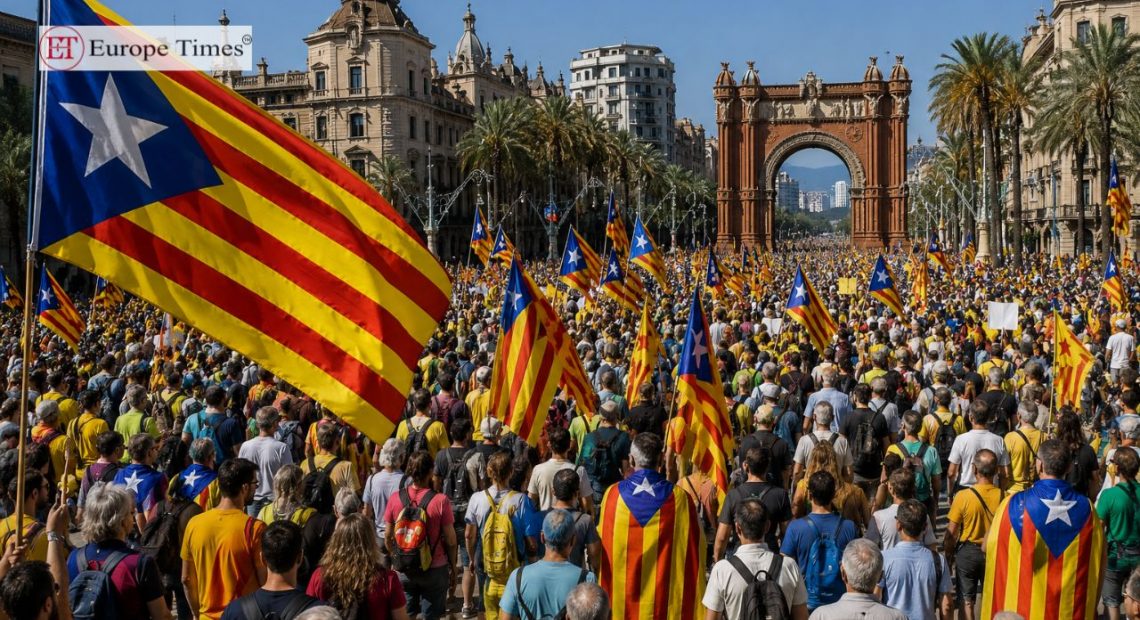
Barcelona has raised its tourism tax to one of the highest levels in Europe, doubling the levy on hotel guests from 5–7.5 euros to 10–15 euros per night starting in April. The move aims to curb tourist numbers and help finance affordable housing projects, with a quarter of the revenue earmarked for addressing the city’s housing crisis. Short-term holiday rentals will also see a tax increase, from 6.25 euros to a maximum of 12.5 euros per night.

The tax hike affects both hotels and cruise passengers, with a two-night stay at a four-star hotel now potentially adding 45.60 euros to costs. Barcelona, one of the world’s top convention destinations, will not exempt attendees from the levy. The city has also announced plans to ban all short-term rentals by 2028 to control the housing market and manage tourism pressure.

Hotel owners have voiced concerns that the steep tax increase could deter visitors and impact revenue, warning that it may backfire on the city’s lucrative tourism industry. Barcelona welcomes around 15.8 million tourists annually, making the potential economic impact of the tax significant.

Pic courtesy: google/ images are subject to copyright

featured News Trending

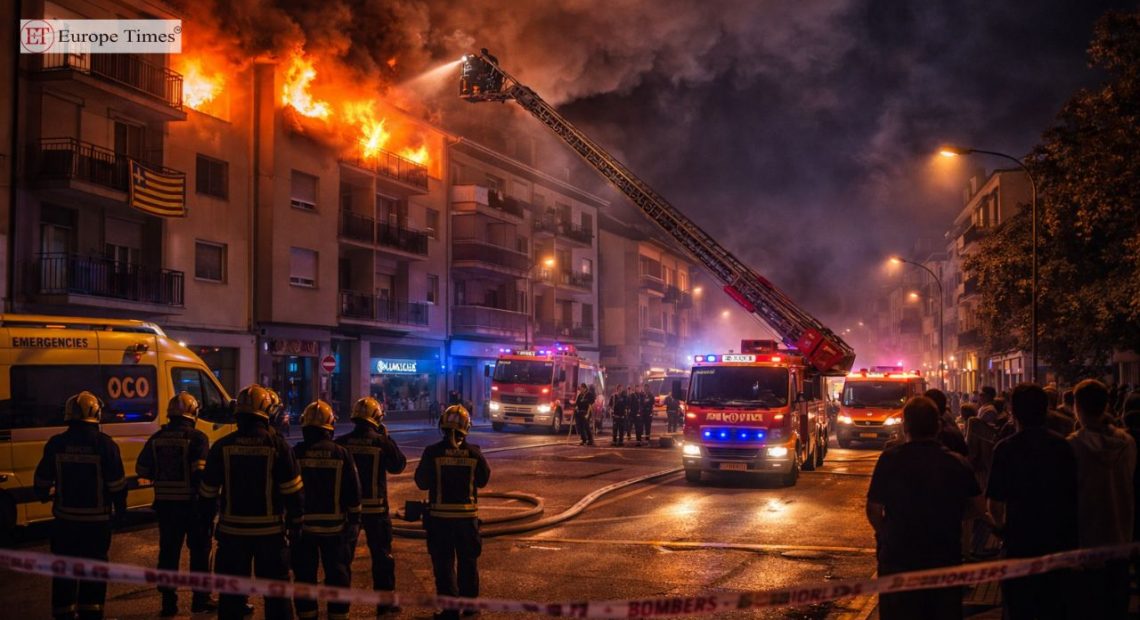
Five young people have died after a fire broke out in a storage area of a residential building in Manlleu, about 80km north of Barcelona. The blaze started shortly after 21:00 local time on Monday in a five-storey apartment block, according to Catalonia’s fire brigade. Four other people sustained minor injuries in the incident.

Authorities said the victims’ identities have not yet been officially confirmed, but local reports suggest they were all under 18, with one as young as 12. None of the deceased reportedly lived in the building. Firefighters are still investigating why the group was unable to escape from the upper-floor storage room, which is believed to have been informally used as a meeting place.

An investigation into the cause of the fire is under way. The local council has declared three days of mourning and is offering support to affected families. Catalan President Salvador Illa expressed shock over the tragedy and extended his condolences to the victims’ relatives and friends.

Pic courtesy: google/ images are subject to copyright

featured News Trending

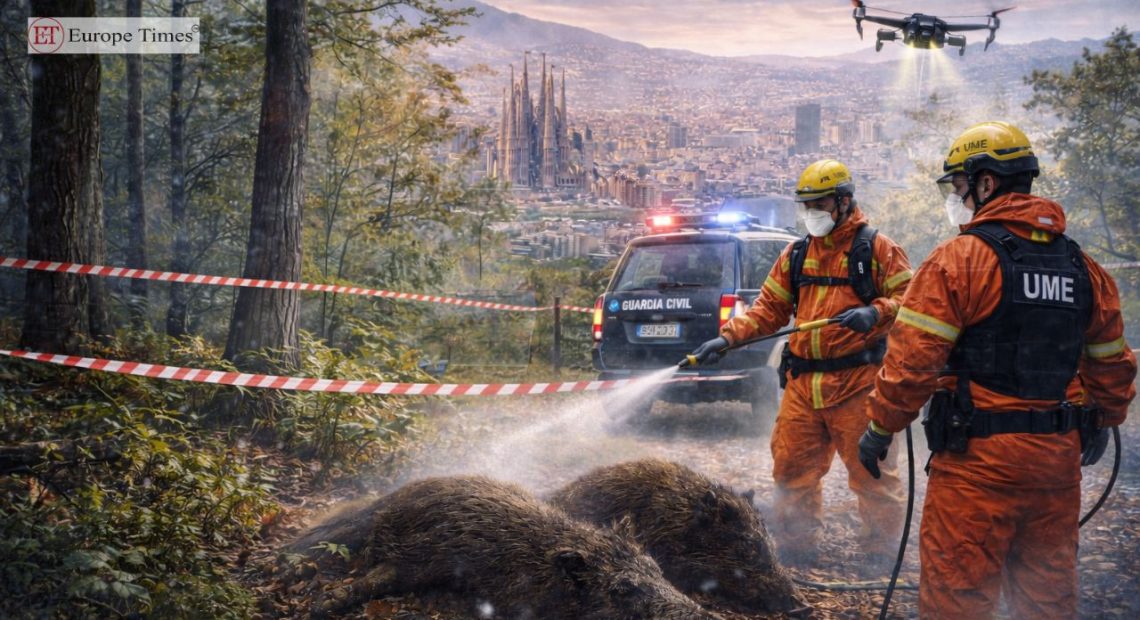
Spain has confirmed two new cases of African swine fever in wild boar outside the initial outbreak area near Barcelona, marking the first spread beyond the original containment zone. Regional authorities in Catalonia said the infections were detected near the western towns of El Papiol and Molins de Rei in the Barcelona metropolitan area, prompting tighter restrictions on the movement of people and livestock.

The initial outbreak occurred in the Collserola hills north of Barcelona — Spain’s first such incident since 1994 — and has so far not affected any pork farms. Catalan agriculture chief Oscar Ordeig said the spread southward was anticipated, noting that wild boar movement made containment challenging. Authorities emphasized that African swine fever does not pose a risk to humans but spreads rapidly among pigs and wild boar.

New measures include intensified disinfection protocols, systematic collection of boar carcasses, drone surveillance, and assessments of wild boar population density in affected areas. Spain, the European Union’s top pork producer, accounts for roughly a quarter of the bloc’s output, with annual exports valued at about 3.5 billion euros. Officials said the latest cases will primarily impact the two affected towns as containment efforts continue.

Pic courtesy: google/ images are subject to copyright

featured News Trending

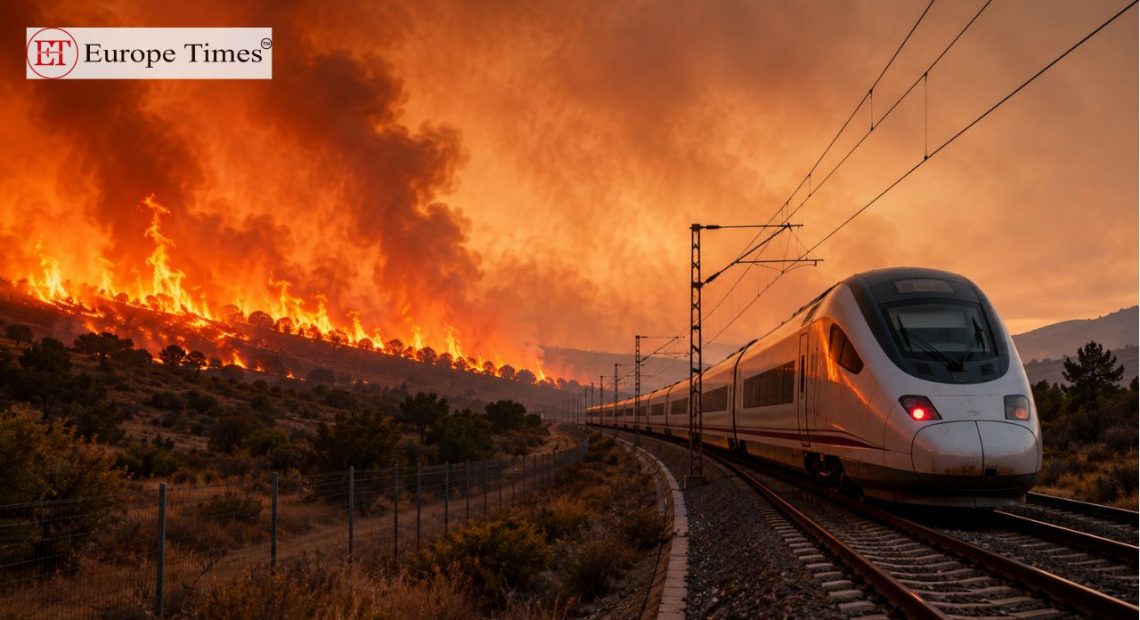
Spanish rail authorities have temporarily reduced the speed limit on a section of the high-speed line between Madrid and Barcelona after a crack was detected on the track 110 km west of Barcelona, between Alcover and l’Espluga de Francolí in Catalonia. Transport Minister Óscar Puente confirmed that the fault does not endanger trains, but the affected section will operate at 80 km/h until further notice, down from the usual 300 km/h.

The move follows several recent speed reductions on Spain’s high-speed network, including temporary cuts to 230 km/h on other parts of the Madrid-Barcelona line and sections of the Madrid-Valencia route. These adjustments come amid ongoing investigations into the Adamuz crash in Andalusia, which killed 45 people earlier this month due to a track weld failure, highlighting safety concerns across the network.

Meanwhile, local Rodalies services in Catalonia continue to experience severe disruption after multiple incidents, including a trainee driver’s death. Political opposition has criticized years of underinvestment, and Prime Minister Pedro Sánchez is scheduled to appear before Congress on February 11 to address the rail crisis.

Pic courtesy: google/ images are subject to copyright

News Trending

The recent regional election in Catalonia marked a significant shift in the political landscape, with the Socialists, led by Salvador Illa, emerging victorious with 42 seats. This success contrasted with a drop in support for independence to 42%, down from 49% in 2017, signaling a setback for pro-independence parties.

Despite the Socialist victory, forming a government may prove challenging, as coalition negotiations are necessary. The fragmented nature of the Catalan parliament, divided by unionist-separatist allegiances and left-right divisions, is likely to prolong post-election discussions.

The amnesty law, a contentious issue benefiting nationalists and championed by Prime Minister Pedro Sánchez’s government, played a pivotal role in securing support. However, it has faced criticism, particularly from opponents on the right, for its perceived leniency towards separatist activities.

Calls for unity among pro-independence parties have emerged, but the complexity of the political landscape suggests that negotiations will be intricate. Despite former regional president Carles Puigdemont’s suggestion for a coalition between pro-independence parties, the path to forming a government remains uncertain.

Additionally, the election saw gains for the conservative People’s Party and the far-right Vox, while the centrist Ciudadanos lost all representation in the parliament. A new far-right party, Catalan Alliance, also secured two seats, further diversifying the political spectrum in Catalonia.

Picture Courtesy: Google/images are subject to copyright

News Trending

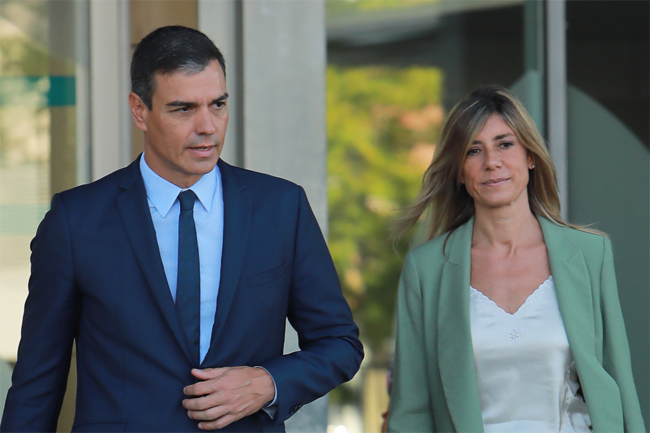
Spanish Prime Minister Pedro Sánchez has put his public duties on hold to contemplate whether he should continue leading the government. This decision comes after a court initiated a preliminary inquiry into allegations against his wife, Begoña Gómez. The allegations, raised by the anti-corruption group Manos Limpias, suggest influence peddling and corruption. However, these claims are based on online news articles, prompting doubts about their validity.

Sánchez expressed his intention to make a decision regarding his political future next Monday. He denounced what he perceives as a concerted effort to undermine him politically and personally, particularly targeting his wife. The specific accusations against Begoña Gómez relate to her connections with private companies that received government funds or contracts, including a sponsorship deal involving Globalia and a foundation she was involved with.

The situation is politically charged, with Sánchez’s coalition government relying on support from Catalan separatist parties. This support was secured in exchange for concessions such as an amnesty covering the banned Catalan referendum in 2017. The opposition, particularly the conservative Popular Party, has demanded explanations, but Sánchez maintains his belief in justice despite the mounting pressure.

The situation reflects a complex political landscape in Spain, with implications for both national and regional politics, including the upcoming European Parliament elections and Catalonia’s regional elections.

News Trending

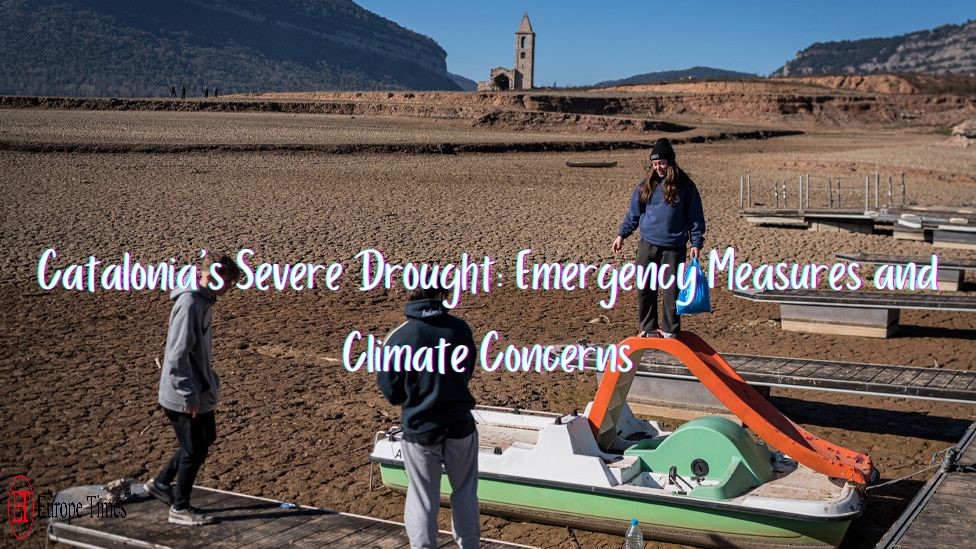
The Spanish region of Catalonia is grappling with its most severe drought on record, prompting the declaration of a state of emergency. With reservoirs dwindling to just 16% of their capacity, over six million residents across 200 towns, including Barcelona, will be subject to stringent water usage restrictions. Measures include bans on car washing and filling swimming pools, as well as significant reductions in water consumption for agriculture and industry.

The severity of the drought is evident in towns like Berga, where residents like Anna Casòliva Freixe, who operates a bakery, express concerns about the lack of water for both essential needs and daily activities. Catalonia, bordering southern France, is unaccustomed to such conditions, and there are considerations to bring in water by ship to Barcelona if local sources run dry, a measure previously taken in 2008.

While the Catalan government had implemented a drought strategy in 2021 to diversify water sources and reduce reliance on reservoirs, the escalating crisis necessitated the imposition of emergency measures. The government acknowledges the possibility of the drought being linked to climate change, given the region’s vulnerability to dry spells and the Mediterranean’s temperature rising 20% faster than the global average.

In Barcelona, the impact of the drought is less immediately visible than in the surrounding mountains, but measures like turning off decorative fountains and restricting watering of gardens have been in effect for a year. As the region, including Barcelona, faces water shortages, concerns arise about its status as a top tourist destination. With over 12 million visitors in 2023, tourism authorities are adapting to the water scarcity by implementing measures in hotels and urging visitors to use water judiciously. Despite preparations, many Catalans express a sense that the situation may worsen, emphasizing the need for a collective reduction in water consumption.

Picture Courtesy: Google/images are subject to copyright

News Trending

Protests led by right-wing groups against Spain’s acting Prime Minister Pedro Sánchez have escalated in violence, underscoring the tensions surrounding his push for a contentious amnesty law. Approximately 7,000 demonstrators converged outside the headquarters of Sánchez’s Socialist party in Madrid on Tuesday. The Prime Minister is striving to secure an investiture vote that would enable him to form a new government and avert a potential snap election.

To attain parliamentary support, Sánchez must enlist the backing of Catalan separatists. The demonstrations in Madrid, along with other cities, have grown increasingly aggressive, with 29 police officers and 10 protestors sustaining injuries during Tuesday night’s clashes. Sánchez took to social media to assert, “They will not break the Socialist Party.”

Following the failure of the conservative People’s Party (PP) leader Alberto Núñez Feijóo to establish a government in September, Sánchez, who came second in the July general election, is on the verge of securing adequate parliamentary support for a coalition government with the left-wing alliance Sumar.

To gain the support of Catalan parties, Sánchez has agreed to an amnesty for several hundred Catalan politicians and activists facing legal action related to the failed secession attempt in 2017. This move has faced intense criticism, with opponents accusing Sánchez of jeopardizing Spain’s unity and manipulating the amnesty for political survival.

The opposition, particularly the far-right Vox party, has vehemently opposed the amnesty, calling for continued protests and urging the police to defy ‘illegal’ orders. Despite internal support within the Socialist Party, several senior members, including former Prime Minister Felipe González, have spoken out against the initiative, emphasizing its potential to disrupt social harmony in Spain. A division has also emerged within the judiciary, reflecting the deep political polarization over the amnesty.

Picture Courtesy: Google/images are subject to copyright

News Trending

Amidst soaring temperatures, firefighters in Portugal are working diligently to contain wildfires that have spread across thousands of hectares. An overnight effort near Odemira involved around 800 personnel, leading to the evacuation of over 1,400 individuals. Tragically, nine firefighters have sustained injuries during the firefighting operations.

The Iberian Peninsula is expected to experience temperatures exceeding 40°C (104°F) this week. While three significant fires in Spain have been brought under control after scorching extensive areas, weather advisories persist across the country.

Portugal recorded its highest temperature of the year, reaching 46.4°C (116°F) in Santarém on Monday. A blaze that ignited near Odemira on Saturday was propelled southward into the Algarve’s hilly interior due to strong winds. Approximately 6,700 hectares (16,600 acres) of land have already been devastated, and numerous villages, tourist accommodations, and a camping site were evacuated. The mayor of Odemira described the situation as “critical, difficult, and complex.”

Elsewhere in Portugal, major fires prompted the closure of several sections of highways, including parts of the A1 connecting Lisbon and Porto. Firefighting efforts across both regions are being aided by sixteen waterbombing aircraft.

In response to the heightened fire risk, authorities have labeled over 120 municipalities in Portugal as being at maximum wildfire risk. Meanwhile, in Spain, fires near Cadiz, Huelva, and Catalonia consumed over 1,000 hectares (2,470 acres) collectively over the weekend.

This week’s heatwave marks the third to affect the Iberian peninsula this summer. According to Ruben del Campo of Spain’s State Meteorological Agency, the heatwave results from a substantial mass of hot, dry air originating from North Africa and is projected to be more intense, widespread, and longer-lasting than the two previous ones in July.

The increasing risk of such scorching and dry conditions that fuel wildfires is attributed to climate change. Global temperatures have already risen by around 1.1°C since the onset of the industrial era, and this trend will persist unless governments worldwide take significant measures to reduce emissions.

Picture Courtesy: Google/images are subject to copyright

News Trending

Activists in Catalonia are celebrating a recent development where the regional government has instructed town and city halls to allow women to go topless in public swimming pools. This decision comes as a result of a 2020 Catalan equality law that guarantees the right to go topless.

Despite the law, some municipal swimming pools had prohibited women from doing so, leading to numerous complaints each summer. The Catalan government’s department of equality and feminism sent a letter to local authorities, emphasizing that preventing women from going topless constitutes discrimination and infringes upon personal freedom and body autonomy.

The letter also specified that breastfeeding and the use of full body bathing suits, including the Muslim “burkini,” should be permitted. Municipalities failing to comply with the directive can face fines of up to €500,000 (£430,000). The decision has been welcomed by activists, including the feminist group Mugrons Lliures (Free Nipples), who have campaigned for gender equality in this regard.

The issue of toplessness has garnered attention beyond swimming pools, as demonstrated by an incident at a Pride event in Murcia, where a singer performing topless was later questioned by local police.

Picture Courtesy: Google/images are subject to copyright