featured News Trending

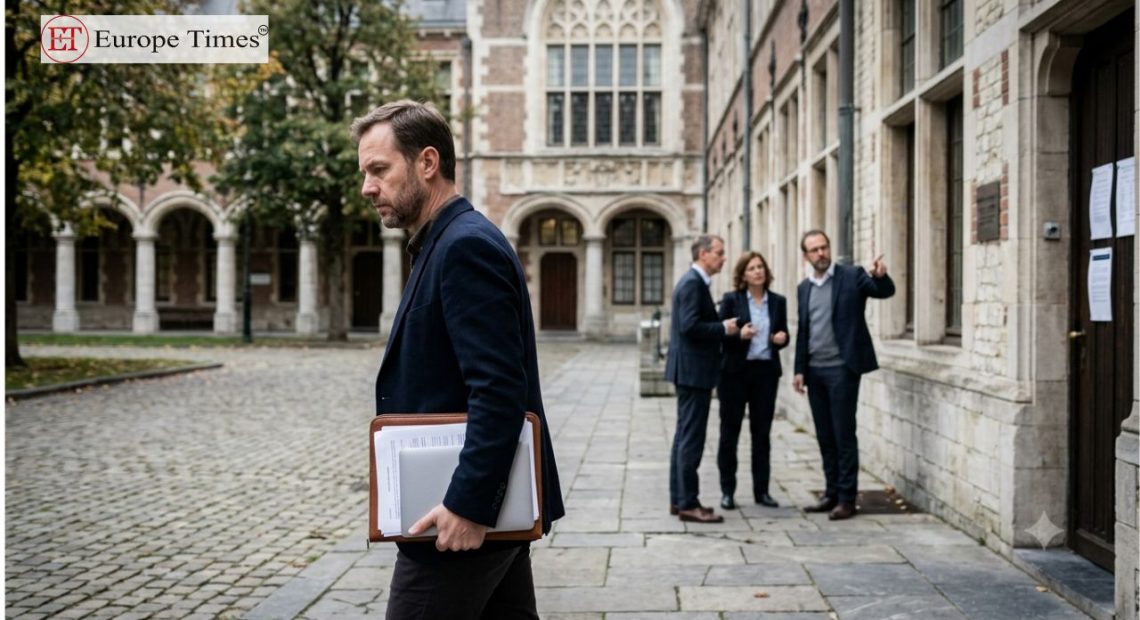
French billionaire Pierre-Edouard Sterin used his first appearance before lawmakers to openly defend his efforts to promote free-market and conservative ideas in France ahead of the 2027 presidential election. Appearing before a Senate inquiry into political financing, Sterin described his project as a long-term campaign to influence public debate and support right-wing policies.

Sterin denied any wrongdoing and said his organisation, Pericles, operates within the law. The Senate investigation is examining whether the billionaire’s network of charities, think tanks, and advocacy groups complies with political finance regulations. He said the objective is to expand the influence of conservative economic and social ideas across France.

The entrepreneur also reiterated his hardline views on immigration, supporting the deportation of foreign criminals, undocumented migrants, and long-term unemployed migrants. Sterin, who moved to Belgium in 2012 during former President François Hollande’s administration, said lower taxes abroad allowed him to devote more money to charitable projects in France.

Pic courtesy: google/ images are subject to copyright

featured News Trending

A planned international friendly between DR Congo and Chile in Spain has been cancelled after local authorities raised concerns over the ongoing Ebola outbreak in eastern DR Congo. The mayor of La Linea de la Concepcion signed a decree preventing the match from taking place on 9 June, citing recommendations from regional and municipal health officials as a precautionary measure.

Although DR Congo’s squad is currently training in Belgium and consists largely of players based outside the country, authorities expressed concerns over support staff and fans who have recently travelled from the affected region. The team had already cancelled a planned training camp in Kinshasa due to the outbreak and remains scheduled to play Denmark in a friendly match in Liege.

The Ebola outbreak, caused by the rare Bundibugyo strain, has prompted international travel restrictions, including entry bans by the United States for certain travellers from DR Congo and neighbouring countries. Despite the disruption, DR Congo is continuing preparations for its first FIFA World Cup appearance since 1974, with group-stage matches scheduled in the United States and Mexico later this month.

Pic courtesy: google/ images are subject to copyright

featured News Trending

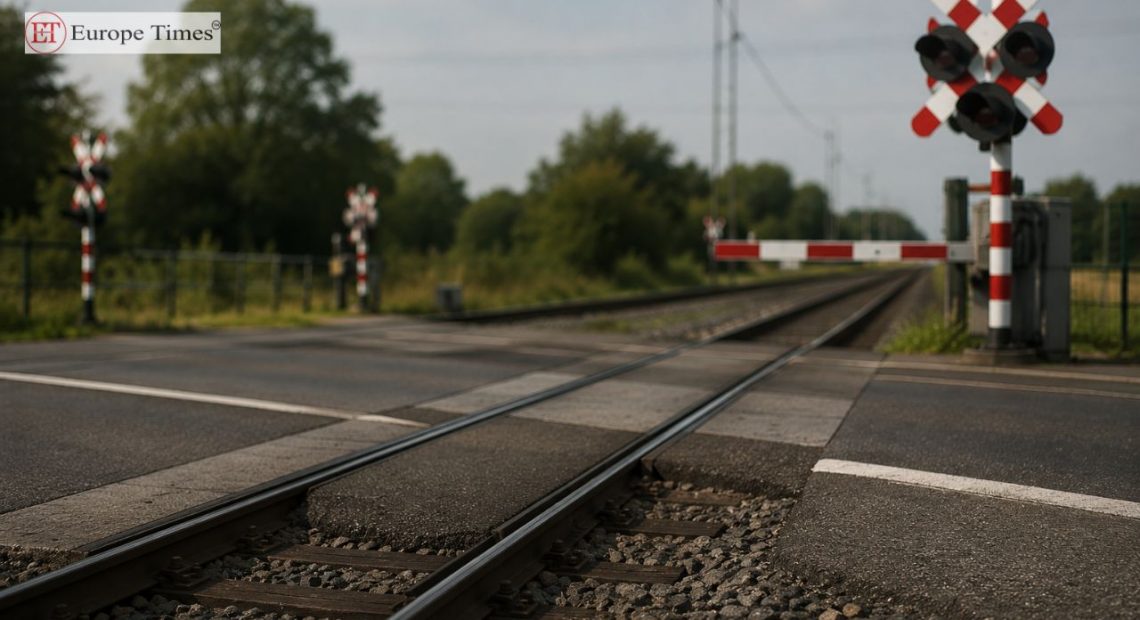
A tragic train collision in Buggenhout claimed the lives of four people after a train struck a school van at a level crossing on Tuesday morning. The victims included two special needs students, the driver, and an adult escort, while two other children were seriously injured.

Authorities said the van was carrying pupils to a special needs school when the crash occurred near Buggenhout station, north of Brussels. Belgian Transport Minister Jean-Luc Crucke said security footage showed the crossing barriers were lowered at the time of the accident.

The crash has renewed concerns over railway crossing safety in Belgium, which has seen dozens of deadly level-crossing accidents in recent years. European Commission President Ursula von der Leyen expressed condolences, saying “Europe grieves with Belgium.”

Pic courtesy: google/ images are subject to copyright

featured News Trending

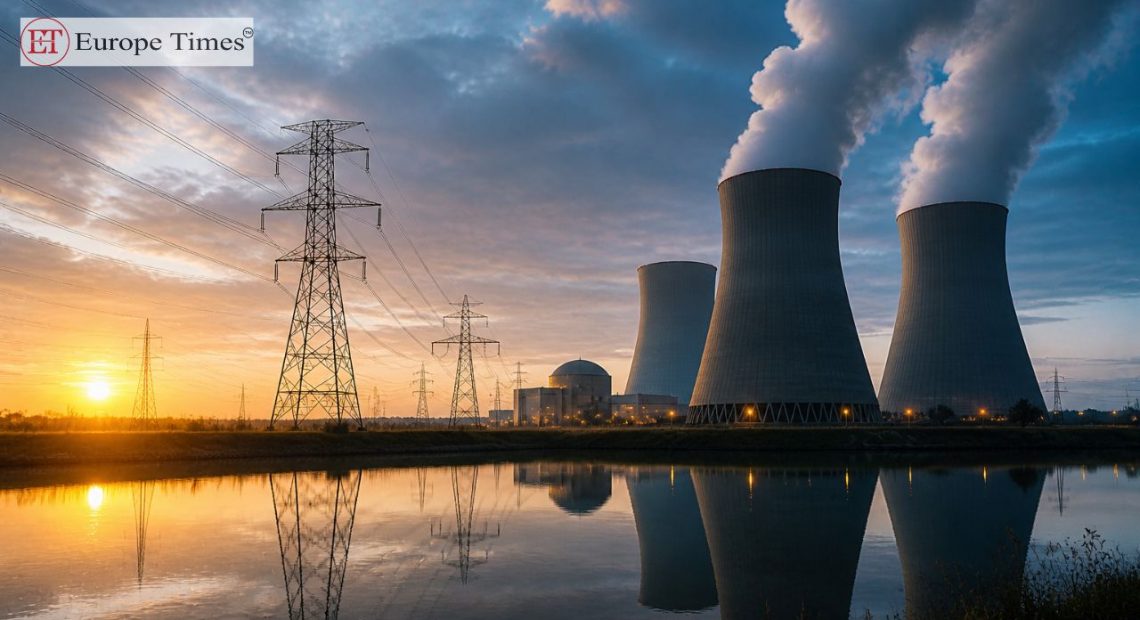
Belgium is planning to take full control of its nuclear power plants by acquiring them from Engie, in a major policy shift aimed at strengthening energy security. Prime Minister Bart De Wever said the government intends to carry out a complete takeover of the country’s nuclear fleet, which includes seven ageing reactors.

The move marks a reversal of Belgium’s long-standing plan to phase out nuclear energy, originally introduced in the early 2000s over safety concerns. Currently, only two reactors—located in Doel and Tihange—remain operational, with licences recently extended until 2035. Plans to dismantle the other five reactors, shut down between 2022 and 2025, will now be put on hold as the government reassesses its nuclear strategy.

Officials say the takeover is part of a broader effort to ensure stable, affordable, and sustainable energy while reducing reliance on fossil fuel imports. The government and Engie aim to finalise an agreement by October, with ambitions not only to extend the life of existing reactors but also to explore new nuclear capacity. However, the reactors remain controversial due to past safety concerns, which have previously triggered protests and alarm in neighbouring countries.

Pic courtesy: google/ images are subject to copyright

featured News Trending

Johan Bonny, the bishop of Antwerp in Belgium, has announced plans to petition the Vatican to allow the ordination of married men as priests by 2028. The move addresses the Church’s declining clergy numbers and could test Pope Leo XIV’s willingness to consider changes to centuries-old celibacy rules. Bonny, a progressive voice in the Church, said he would identify men to train as priests and make “every effort” to implement the change.

The Catholic Church has long maintained a celibate priesthood, and ordaining married priests without papal permission could result in excommunication. While Pope Leo XIV has praised celibacy, he has not spoken extensively on married clergy, and previous pontiffs, including Pope Francis, firmly rejected the idea. Bonny highlighted that the Church’s replacement rate of celibate priests is “just above zero,” creating a pressing need for reform.

The issue has historical precedent in Eastern-rite Catholic Churches, where married priests are allowed. Bonny noted that his diocese currently depends on foreign priests, often married, from Eastern Europe and the Middle East. Advocates say married priests could attract more men to the priesthood, while opponents maintain that celibacy ensures priests’ full dedication to Church duties.

Pic courtesy: google/ images are subject to copyright

featured News Trending

An explosion outside a synagogue in Liège, Belgium, early Monday morning is being investigated as a possible antisemitic attack. The blast occurred around 04:00 local time, damaging the synagogue’s entrance and shattering windows across the street. Authorities confirmed that no injuries were reported, though scorch marks and debris were visible at the scene.

Liège Mayor Willy Demeyer condemned the incident, calling it an “antisemitic act.” Belgian Prime Minister Bart De Wever expressed solidarity with the Jewish community, stating that antisemitism is an attack on the country’s values. Interior Minister Bernard Quintin also denounced the blast and described it as a despicable act targeting Belgium’s Jewish population.

Belgium’s federal prosecutor’s office has taken charge of the investigation due to its links to terrorism and organised crime. Police sealed off the area while investigations continued, as officials warned that heightened tensions linked to the ongoing Middle East conflict have increased security concerns around Jewish sites across the country.

Pic courtesy: google/ images are subject to copyright

featured News

Ukrainian President Volodymyr Zelensky has warned that Ukraine faces a severe financial crisis unless the European Union agrees to loan billions of euros from frozen Russian assets to support Kyiv’s military and economy. Speaking in Brussels as EU leaders gathered for a critical summit, Zelensky said a positive decision was essential, noting that without additional funding Ukraine’s finances could run dry within months. Around €210bn of Russian assets are frozen in the EU, most of them held in Belgium through financial services firm Euroclear.

The European Commission has proposed loaning Ukraine about €90bn over the next two years using these frozen assets, arguing it would strengthen Kyiv’s position both on the battlefield and in ongoing peace talks. Supporters believe the move would also send a strong signal to Moscow that continuing the war is futile. However, Belgium and several other EU members remain cautious, citing legal and financial risks, while Hungary has openly opposed any further EU funding for Ukraine.

As discussions continue, EU leaders are under pressure to find consensus, with Commission President Ursula von der Leyen insisting a solution must be reached. While some countries are willing to provide guarantees to address Belgium’s concerns, doubts remain over the legal basis and potential consequences if courts later order the money returned to Russia. Despite the uncertainty, EU officials stress that the coming hours are decisive for Ukraine’s ability to sustain its war effort or prepare for recovery.

Pic courtesy: google/ images are subject to copyright

featured News

Belgium has raised strong objections to the European Union’s plan to use frozen Russian assets to provide a “reparations loan” to Ukraine. Prime Minister Bart De Wever and Foreign Minister Maxime Prévot argue that tapping €140bn of Russian state assets held in Belgium could expose the country to massive legal risks and potential bankruptcy if Russia takes action. They have called for an alternative approach, suggesting the EU borrow the necessary funds from financial markets instead.

Most EU countries, including Germany, support the proposal, viewing it as an urgent way to fund Ukraine’s defense amid ongoing Russian attacks. Chancellor Friedrich Merz and EU foreign policy chief Kaja Kallas argue that a reparations loan would strengthen Europe’s position against Moscow and could incentivize Russia to negotiate peace. However, legal experts and Belgium’s central securities depository, Euroclear, caution that lending these frozen assets carries significant financial and legal dangers.

The European Commission is preparing a legal framework to address the plan, but disagreements among member states have delayed progress. Belgium insists on legally binding guarantees to share risk with other EU countries, while Russia has threatened decades of litigation if the assets are used for Ukraine. With the EU summit approaching, a final decision on the contentious proposal remains uncertain.

Pic courtesy: google/ images are subject to copyright

featured News

Belgium witnessed major nationwide disruption on Wednesday as the third and final day of a national strike brought much of the country to a standstill. The protest, driven by the country’s main labour unions, targeted Prime Minister Bart De Wever’s coalition government over proposed pension changes and labour market reforms. Brussels Airport cancelled all departing flights and more than half of its scheduled arrivals, while Charleroi Airport also warned of severe operational delays due to staff shortages.

The strike extended far beyond aviation, affecting schools, public transport, and several private-sector operations, making it the most disruptive day of the three-day action. Unions argue that the government’s reform plans will force Belgians to “work longer and harder” with less security regarding pensions, healthcare, and purchasing power. They also criticised the government for not involving unions in budget-related negotiations.

A large protest was planned in Brussels on Wednesday afternoon, following an October demonstration that drew around 80,000 people. Despite the government finalising next year’s budget earlier this week — which includes new taxes on banks, airline tickets, and natural gas — the agreements failed to prevent the strike. Belgium’s deficit is projected to reach 4.5% of GDP this year, with debt levels significantly above EU limits, prompting the government’s push for spending cuts and new revenue measures.

Pic Courtesy: google/ images are subject to copyright

featured News

Belgium is preparing for severe disruption this week as unions launch a three-day national strike in protest against Prime Minister Bart De Wever’s austerity plans aimed at reducing the country’s high debt. The action spans multiple sectors, with teachers, healthcare workers, and waste collectors joining rolling walkouts, and public transport facing major interruptions beginning Monday. The strikes are set to culminate in a nationwide general stoppage on Wednesday.

Transport services are already heavily affected, with national rail operator SNCB running only part of its schedule and several Eurostar routes between Brussels and Paris cancelled. The country’s main airports—Bruxelles-Zaventem and Charleroi—have warned passengers of significant disruption, announcing that all departures on Wednesday will be cancelled and arrivals may also be affected due to staff participation in the strike.

Unions argue that proposed reforms to labour rules, pensions, and unemployment benefits threaten welfare security, demanding fair pensions and new taxation measures including a wealth and digital tax. Belgium’s government, which has recently reached a budget agreement, says the reforms are essential to safeguard the welfare system amid a deficit of 4.5% of GDP and debt above 104%.

Pic Courtesy: google/ images are subject to copyright