featured News Trending

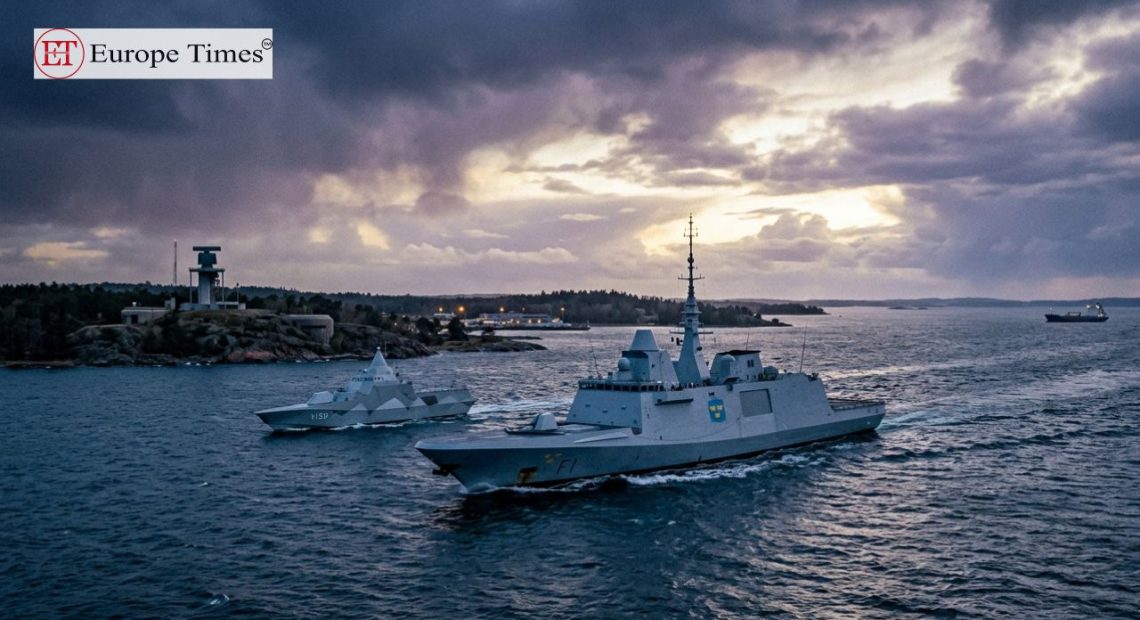
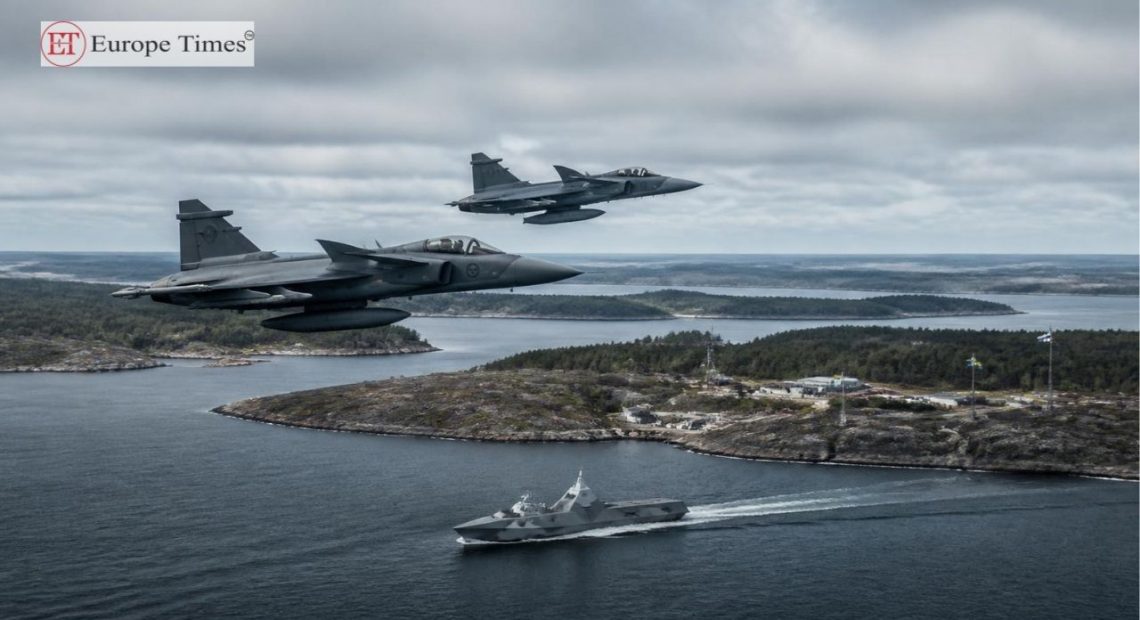
Sweden has announced a $4.25 billion deal to purchase four Defence and Intervention (FDI) navy frigates from France’s Naval Group, marking the country’s largest military investment since the 1980s. The acquisition is a direct response to heightened security threats in the Baltic Sea following Russia’s invasion of Ukraine and Sweden’s subsequent entry into NATO. Prime Minister Ulf Kristersson emphasized that the Baltic Sea is currently more contested than at any point in the modern era, and these new vessels will triple Sweden’s naval air defence capabilities.

The new frigates will become the largest ships in the Swedish navy, with the first delivery scheduled for 2030. Beyond strengthening Sweden’s domestic defense, Navy Chief Johan Norlen highlighted that the vessels will play a crucial role alongside NATO allies in maintaining open civilian and military transport routes to Finland and the Baltic states during potential conflicts. To integrate domestic technology, Defence Minister Pal Jonson noted that the government has requested the integration of Swedish-developed weapons systems, including tech from Saab, onto the French-built platforms.

The selection of France’s Naval Group comes after a competitive bidding process that included rival proposals from Spain’s Navantia and a joint British-Swedish bid by Babcock and Saab. French President Emmanuel Macron praised the deal as a symbol of mutual trust, noting a reciprocal defense relationship where France is purchasing Saab’s GlobalEye early warning systems. Driven by current geopolitical tensions, Sweden has accelerated its military build-up and now expects to reach a NATO military spending target of 3.5% of GDP by 2030.

Pic courtesy: google/ images are subject to copyright

featured News Trending

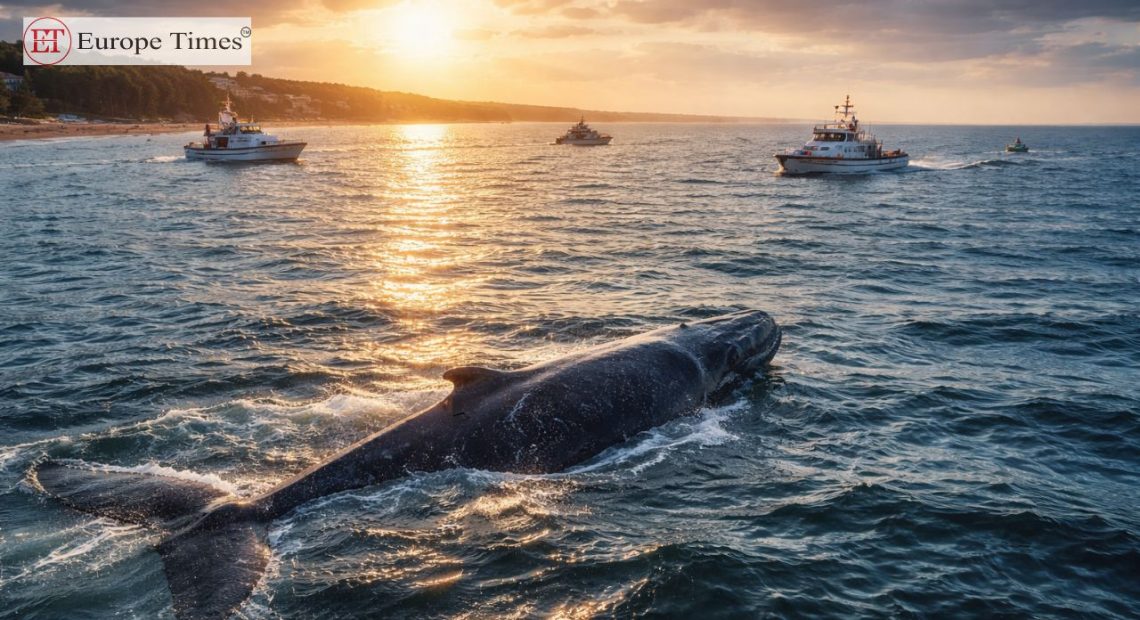
A humpback whale stranded for over five weeks in shallow waters off Germany’s Baltic coast has been successfully moved using a specially adapted barge. The animal was coaxed into the water-filled vessel and is now being transported out of German waters toward the North Sea. The rescue effort drew widespread attention after earlier attempts to guide the whale back to deeper waters had failed.

The operation, funded by two German entrepreneurs, was celebrated by local officials and rescue teams, who described the moment the whale entered the barge as emotional and unforgettable. Authorities said the whale appeared stable during the journey, even showing signs of activity overnight, raising hopes for its survival.

However, marine experts and conservation groups remain cautious, warning that the whale is in a weakened condition and may struggle to recover. Concerns include skin damage from low-salinity waters and uncertainty about its ability to feed independently once released. While the rescue is seen as a remarkable effort, the whale’s long-term survival remains uncertain.

Pic courtesy: google/ images are subject to copyright

featured News Trending

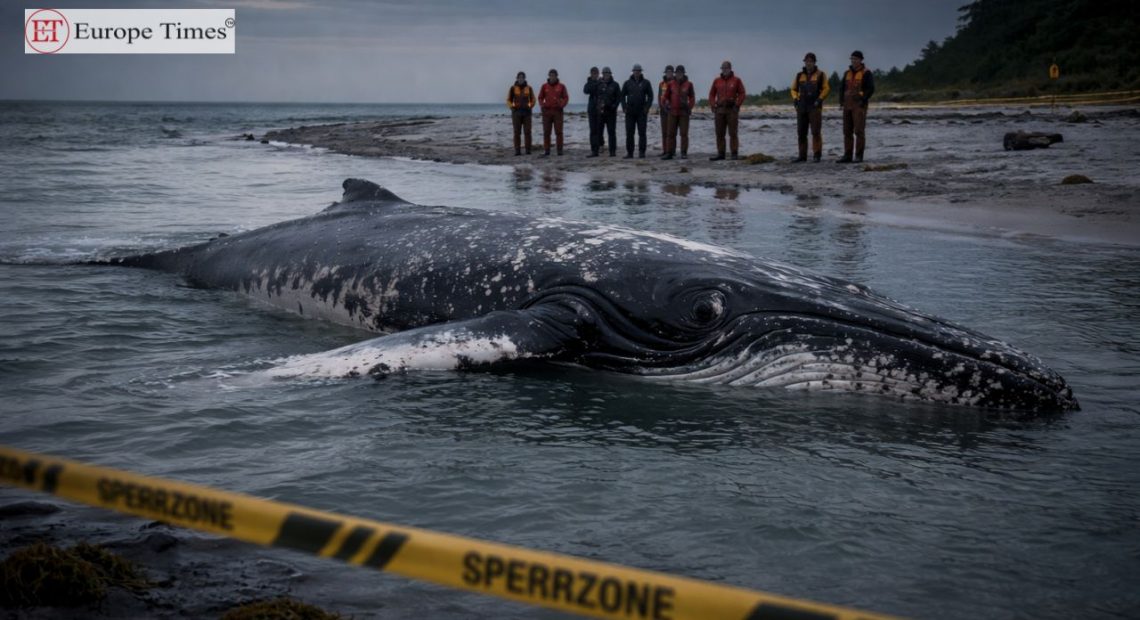
Rescue teams in Germany have ended efforts to save a stranded humpback whale after more than a week of attempts along the Baltic Sea coast. The whale, first trapped on a sandbank in March, was briefly freed but later swam into increasingly shallow waters near Poel Island, where it became stuck again.

Experts say the animal is now too weak to survive, with its condition worsening despite repeated interventions. Officials noted that attempts to guide it back to deeper, saltier waters had failed, and further rescue efforts would likely cause unnecessary suffering.

Authorities have now established an exclusion zone around the whale, allowing it to die undisturbed. Officials described the situation as a tragic and rare incident, highlighting the challenges of rescuing large marine animals in difficult coastal conditions.

Pic courtesy: google/ images are subject to copyright

featured News Trending

A humpback whale stranded on a sandbank near Lübeck on Germany’s Baltic coast has successfully freed itself after days of rescue efforts. The 12–15m-long whale was first spotted near Timmendorfer Strand earlier this week, prompting a large-scale operation by marine biologists, coast guards, and rescue teams to guide it back to deeper water.

Rescuers used diggers to create a channel and worked under floodlights to help the whale move toward open sea. By Friday morning, the whale had swum about 300 meters offshore into deeper waters, raising hopes that it will continue toward safer waters. Marine biologist Robert Marc Lehmann said the whale regained strength overnight and managed to free itself from the sandbank.

Experts remain cautious as the whale still has netting lodged in its mouth and could not be fitted with a tracking device due to its weak condition. Authorities are escorting the whale with boats and hope it will swim north toward Denmark and eventually reach the North Sea and Atlantic, its natural habitat.

Pic courtesy: google/ images are subject to copyright

featured News Trending

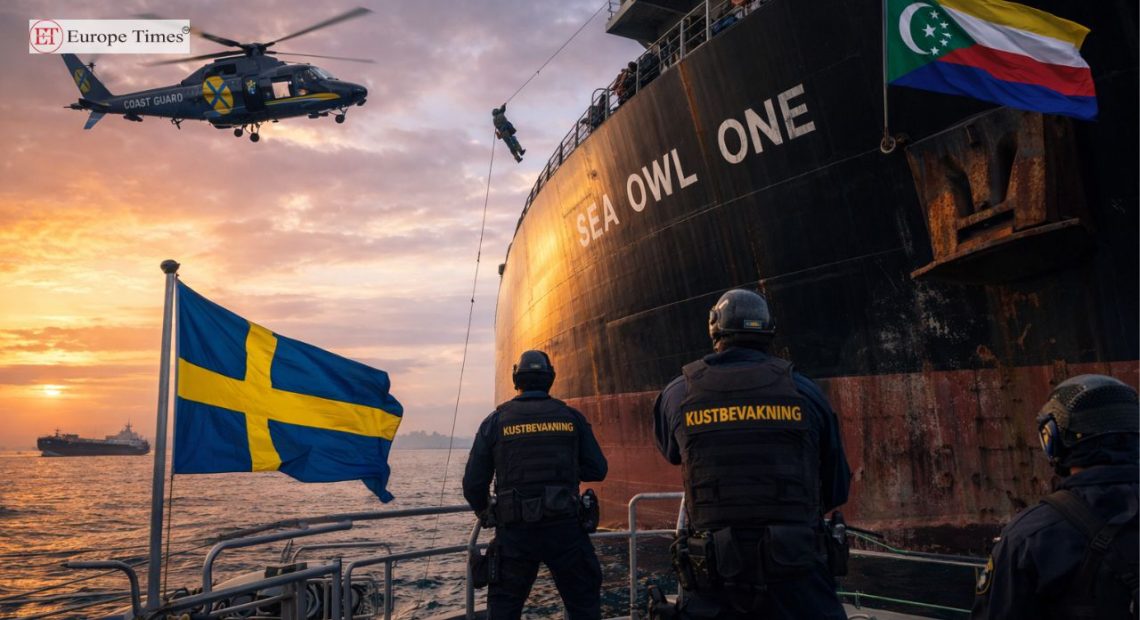
A court in Sweden has ordered the detention of the captain of a tanker suspected of being part of Russia’s so-called “shadow fleet” used to bypass Western sanctions on oil exports. The unnamed 55-year-old captain was arrested by the Swedish Prosecution Authority and appeared before a court in Ystad on suspicion of using forged documents.

The vessel, Sea Owl One, was intercepted by the Swedish Coast Guard in territorial waters south of Trelleborg. Authorities boarded the 228-metre tanker after suspecting it was sailing under a false Comoros flag. Officials said the ship was travelling from Santos to Primorsk and had previously transported oil between Russia and Brazil.

The tanker is among vessels sanctioned by the European Union and believed to be linked to Moscow’s network of ships with unclear ownership or insurance used to evade sanctions imposed after Russia’s invasion of Ukraine in 2022. Swedish authorities said the captain will remain in custody while prosecutors continue their investigation, marking the second seizure of a suspected shadow fleet vessel in the country within a week.

Pic courtesy: google/ images are subject to copyright

featured News Trending

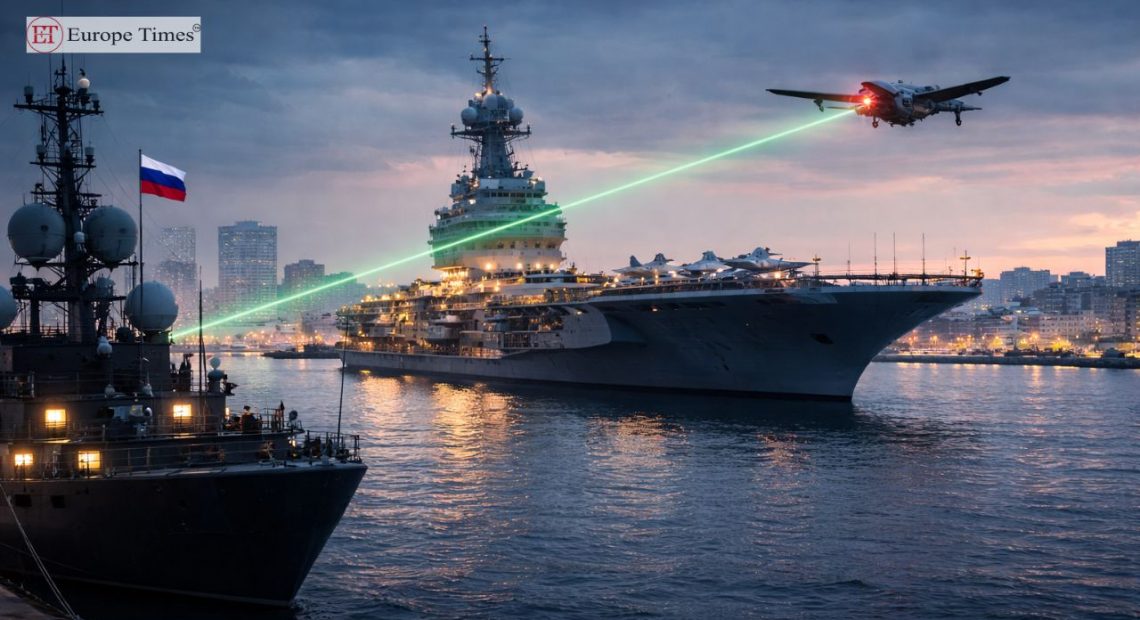
Sweden’s armed forces have confirmed that a drone jammed near the French aircraft carrier Charles de Gaulle in Malmö was Russian. The drone was detected about seven nautical miles from the carrier and was seen taking off from a nearby Russian intelligence-gathering vessel in Swedish territorial waters. The Swedish Navy acted quickly to disrupt the drone using jamming technology, which interferes with its control signals. The Kremlin has dismissed the accusation as “absurd.”

The Charles de Gaulle, visiting Sweden for the first time, is set to participate in NATO exercises across the Baltic and Atlantic regions under the La Fayette 26 mission. Swedish Prime Minister Ulf Kristersson described the incident as serious but not unexpected, suggesting it fit a broader pattern of Russian behavior. French Foreign Minister Jean-Noël Barrot called any confirmed Russian involvement a “ridiculous provocation,” while French military officials emphasized that the incident did not affect the carrier’s operations.

The episode comes amid months of reported drone sightings near military facilities across NATO member states, including Denmark and the Baltic countries. Sweden’s coast guard has also launched a separate investigation into a fuel spill in Malmö’s port, though authorities say it is unrelated to the carrier’s visit. The carrier strike group’s deployment signals France’s strengthened military engagement with northern European allies in response to growing tensions with Moscow.

Pic courtesy: google/ images are subject to copyright

News Trending

Russia has been increasingly disrupting satellite navigation systems, particularly in regions where its military activity is high, such as the Baltic Sea, the Black Sea, and the eastern Mediterranean. This disruption has affected thousands of civilian flights, with incidents reported by pilots and airlines. Finnair, for instance, had to suspend flights to Tartu, Estonia, due to GPS interference.

While GPS disruption is mainly a nuisance and not an immediate safety threat during flight, it can still pose risks, especially for airports relying solely on GPS navigation like Tartu. The European Union Aviation Safety Agency has noted a significant increase in incidents, with blame squarely placed on Russia by Baltic state officials and online investigators.

The disruption includes jamming GPS signals and spoofing legitimate ones, causing confusion about location. Experts suggest Russia’s motives range from offensive to defensive, testing its ability to immobilize Europe while protecting itself from potential attacks. While Russia has its own navigation system (GLONASS), the interference still poses risks due to society’s heavy reliance on precise GPS signals.

Ultimately, while aircraft may have backup systems, interference with GPS signals disrupts efficiency and safety, requiring a reliance on older, less familiar procedures. There’s concern that if the interference continues, it could lead to more serious consequences.

Picture Courtesy: Google/images are subject to copyright