featured News Trending

Despite a darkening backdrop for European equity markets caused by the energy shock of the Iran war, the region’s tech sector is experiencing a massive, under-the-radar rally. While the conflict has dampened overall economic growth and caused the broader STOXX 600 index to drop just over 2% since late February, European tech shares have surged 10%, hitting their highest levels since 2000. Data indicates that euro zone economic activity fell sharply in May, yet AI-related baskets have accounted for over two-thirds of the positive performance in European stocks over the past month and a half.

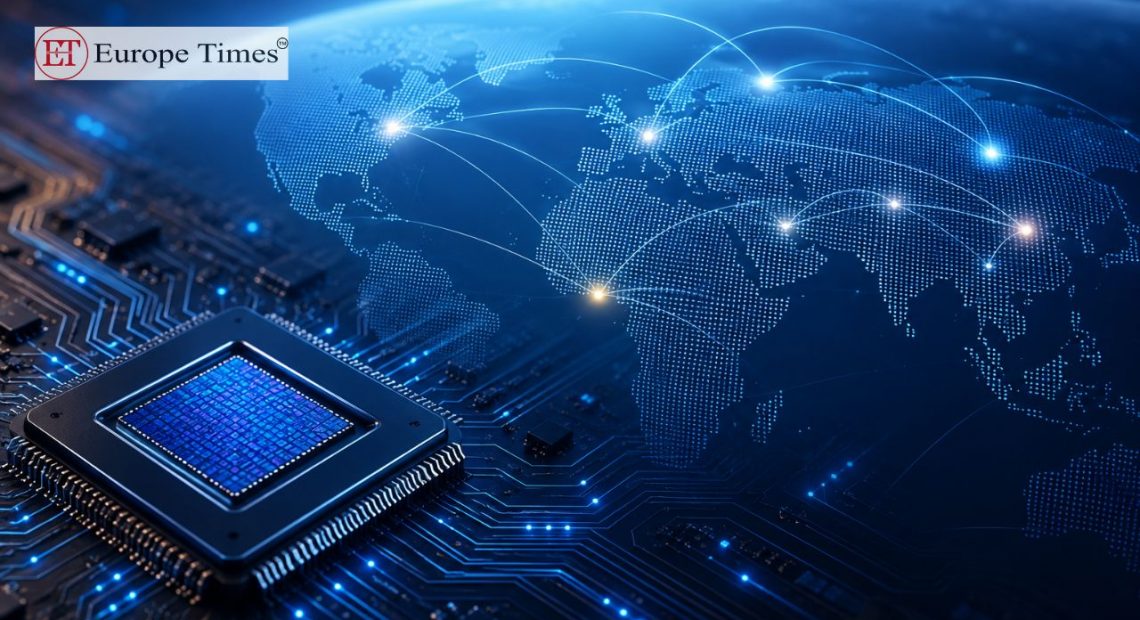
Research from TS Lombard highlights two specific European AI baskets that are performing on par with the Nasdaq. The first basket, consisting of semiconductor supply chain firms like ASML, Infineon, and STMicroelectronics, has rallied by roughly 20% since the start of April. The second basket, which focuses on AI infrastructure buildout firms like Schneider Electric and Prysmian, has jumped around 22%. This surge was reignited globally in April as strong tech earnings, including Nvidia’s recent stellar revenue report, reassured investors that corporate spending plans on AI remain highly robust.

Analysts suggest this tech rally has further room to run, reinforced by a secular push toward innovation, defense, and energy security. Furthermore, European tech stocks present an attractive valuation advantage, trading at almost 28 times expected earnings compared to nearly 35 times for their U.S. competitors on the Nasdaq. Although the tech sector only makes up about 10% of the heavily financial- and industrial-dominated European benchmark, its resilience proves that looking through the current macroeconomic chaos reveals significant regional winners.

Pic courtesy: google/ images are subject to copyright

featured News Trending

European semiconductor and electrical equipment stocks climbed sharply as investor confidence grew around the expanding artificial intelligence (AI) boom. Companies seen as key players in AI infrastructure benefited from strong earnings and optimistic forecasts, mirroring a powerful rally in U.S. chip stocks. The surge reflects increasing global demand for advanced chips and supporting technologies as AI adoption accelerates.

Dutch chip equipment maker ASM International jumped to a record high after projecting stronger-than-expected second-quarter sales, driven by robust AI demand. Meanwhile, Swiss engineering giant ABB also raised its full-year outlook, citing increased demand from data centres and electrification businesses despite geopolitical uncertainties.

Other major European players, including ASML, Infineon, and STMicroelectronics, recorded solid gains. Analysts believe that years of weak investment are now giving way to an AI-led growth cycle, with spending expected to accelerate from 2026 as companies invest heavily in digital infrastructure, energy, and supply chain resilience.

Pic courtesy: google/ images are subject to copyright

featured News Trending

The launch of Anthropic’s advanced AI model Mythos has triggered a rush among global banks to secure access, while regulators intensify scrutiny over potential cybersecurity risks. Officials at the International Monetary Fund meetings recently flagged concerns that the model’s capabilities could challenge banks’ legacy systems and expose vulnerabilities.

Major financial institutions including JPMorgan Chase, Goldman Sachs, Morgan Stanley, and Citigroup have either confirmed or are reported to have access to Mythos, using it to test internal systems and cyber defenses. Meanwhile, Deutsche Bank CEO Christian Sewing said lenders are coordinating with regulators and trying to gain entry, though access remains tightly controlled.

Regulators across Europe, the U.S., and Asia are evaluating how prepared banks are to handle emerging threats, with some warning that Mythos is significantly more capable in cyber offense than previous AI models. Authorities are assessing risks through existing resilience frameworks, as industry leaders caution that such technologies could reshape the cybersecurity landscape and introduce more advanced threats in the near future.

Pic courtesy: google/ images are subject to copyright

featured News Trending

Germany is considering new legislation to criminalise pornographic deepfakes following a high-profile case involving actress Collien Fernandes. She has filed a legal complaint in Spain against her former husband, Christian Ulmen, accusing him of spreading manipulated sexual images of her online—claims he denies. The case has sparked nationwide debate over “digital sexualised violence” and exposed gaps in existing laws.

The controversy has mobilised more than 250 prominent women across politics, business, and culture, demanding stronger protections and legal reforms. Proposals include stricter consent laws and recognising gender-based violence such as femicide in criminal codes. Studies in Germany show digital abuse is widespread, particularly among young people, yet only a small fraction of cases are reported to authorities.

Justice Minister Stefanie Hubig has announced plans to introduce a law making the creation and distribution of deepfake pornography a criminal offence. The move aims to help victims seek justice faster and curb the spread of harmful content. Public protests in Berlin have further highlighted the urgency of tackling online abuse as AI tools make such manipulation increasingly accessible.

Pic courtesy: google/ images are subject to copyright

featured News Trending

Germany’s military is advancing plans to integrate artificial intelligence into wartime operations, aiming to process battlefield data faster and improve decision-making. Army chief Christian Freuding highlighted lessons from Ukraine, where drones and sensors generate vast amounts of data. AI systems can analyze this information to predict enemy behavior and recommend responses, significantly reducing the time and manpower traditionally required.

Freuding stressed that AI will remain a support tool rather than replacing human judgment. While the technology can enhance speed and efficiency, final decisions will always rest with soldiers. The German army also plans to train these systems using data from both Ukrainian combat experience and its own military exercises, ensuring compatibility with operational doctrines.

Germany intends to align its AI development with NATO standards and is considering both European and U.S. technologies. Freuding noted that American solutions, such as tools developed by Palantir Technologies, may offer quicker deployment advantages. However, concerns around data security and sovereignty will remain key factors in selecting the final system.

Pic courtesy: google/ images are subject to copyright

featured News Trending

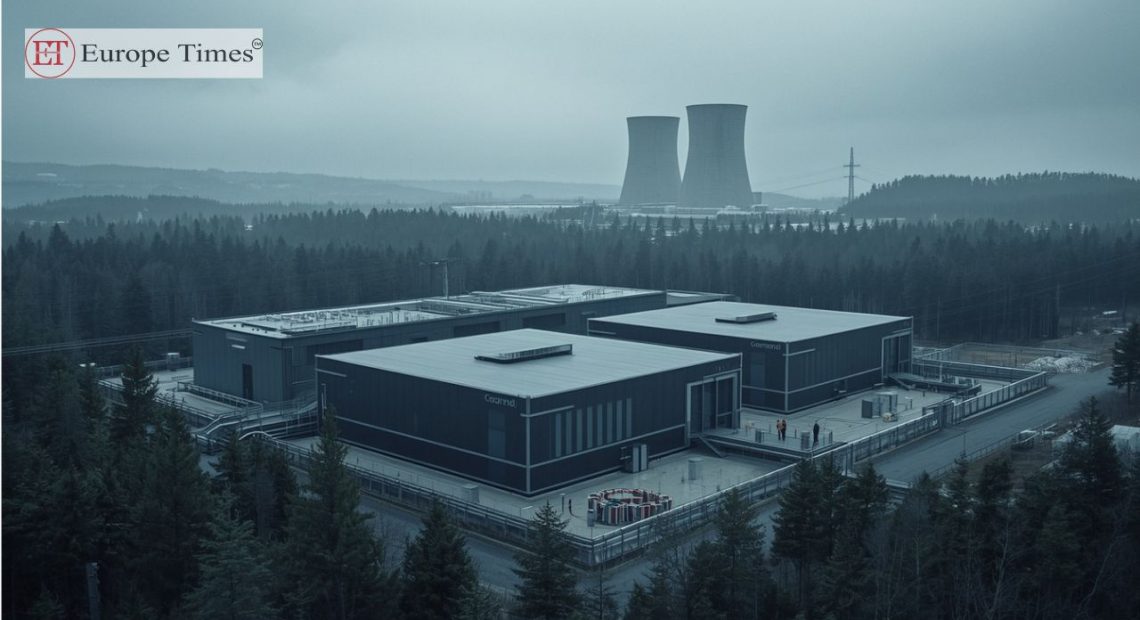
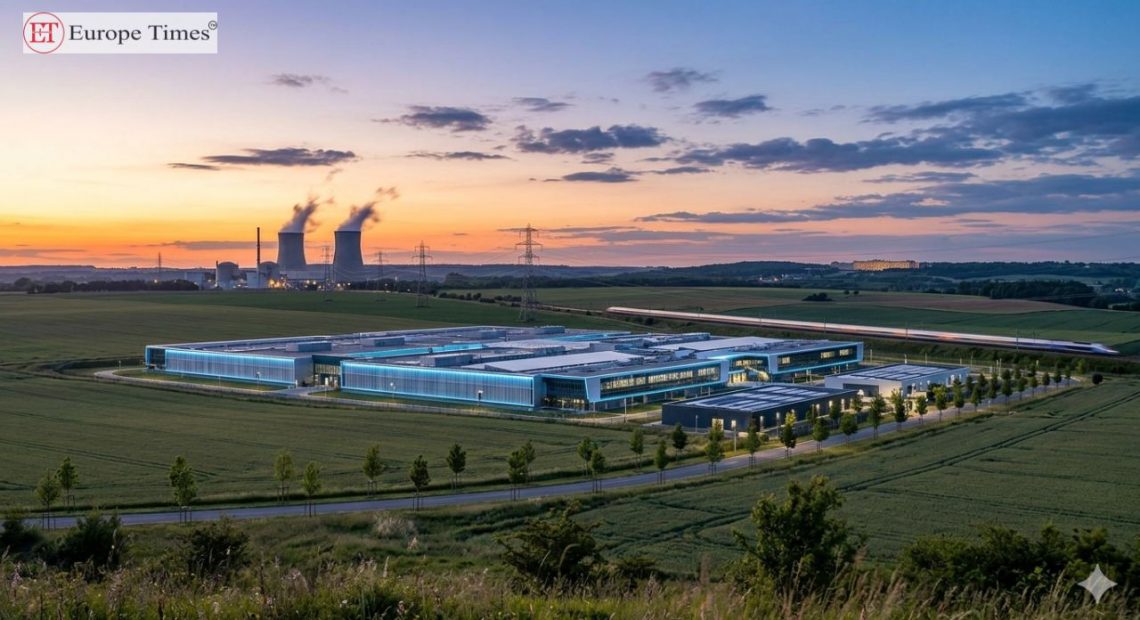
Germany has unveiled plans to at least double its domestic data centre capacity and quadruple artificial intelligence data processing by 2030, as part of a strategy to compete with leading AI hubs in the United States and China. Digital Minister Karsten Wildberger outlined measures including allocating land for new facilities, streamlining regulatory approvals, and fostering collaboration across the AI supply chain.

Under the proposal, municipal business taxes from new data centres would go to the town or city hosting the facility rather than the company headquarters, incentivizing local investment. The government is particularly targeting European and German companies but remains open to investment from third countries. Major global players like Amazon, Microsoft, and Google already contribute significantly to Germany’s AI data infrastructure, alongside local firms such as Deutsche Telekom and the Schwarz Group.

At the end of last year, Germany’s AI data centres had a combined capacity of 530 MW, with much of it operated by foreign providers. European nations are increasingly pushing for sovereign control over AI infrastructure in response to geopolitical risks, including tariffs, armed conflicts, and differing online content regulations, making domestic investment a strategic priority.

Pic courtesy: google/ images are subject to copyright

featured News Trending

Gucci has drawn criticism after posting AI-generated images to promote its upcoming Milan Fashion Week show. Users on social media questioned the use of AI in place of human models and photographers, arguing it clashes with the fashion house’s emphasis on creativity and Italian craftsmanship. The images were clearly labeled as “created with AI,” but some called them examples of “AI slop,” highlighting the growing presence of low-quality AI content online.

The AI campaign coincides with Gucci creative director Demna Gvasalia preparing his runway debut in Milan. While not Gucci’s first use of generative AI, the approach has sparked debate about luxury fashion marketing, with some praising its ability to capture “Milano glam,” while others, including photographers like Tati Bruening, warn it risks negative publicity and undermining the creative ecosystem.

Experts note that AI can still play a limited role in fashion, such as retouching, mood boards, or small edits. However, some speculate Gucci may be intentionally provoking discussion on the intersection of luxury fashion and AI, using the campaign to challenge perceptions of what constitutes high-end creativity in the digital era.

Pic courtesy: google/ images are subject to copyright

featured News Trending

French President Emmanuel Macron has called on Europe to step up as a global power, warning that the continent faces a “wake-up call” amid rising challenges from China, Russia, and the United States. Speaking to European media ahead of an EU summit in Brussels, Macron emphasized the need for the EU to strengthen its economy, defense, and democratic systems, arguing that Europe must act cohesively to secure its strategic interests.

Macron proposed EU-wide mutualized loans, or “eurobonds for the future,” to fund industrial and technological investment. He highlighted the growing global demand for such shared European debt, while urging member states to protect key industries like security, clean energy, and artificial intelligence without resorting to protectionism.

The French leader stressed Europe’s vulnerability in a changing world order, citing climate change, dwindling U.S. security guarantees, and China’s rising influence. Macron urged the 27-member EU to embrace its collective strength of 450 million people, insisting that becoming a global power is the natural continuation of the European project to maintain peace and build a robust market.

Pic courtesy: google/ images are subject to copyright

featured News Trending

Apple reported its strongest-ever iPhone sales in the final quarter of last year, driven by high demand for the new iPhone 17 lineup. Overall revenue jumped 16% year-on-year to $144bn, marking the company’s fastest growth since 2021. Sales surged across key markets including China, Europe, the Americas, Japan, and India, where Apple posted a record quarter. CEO Tim Cook said demand was so strong that Apple is currently constrained by supply.

Not all parts of the business shared in the success. Sales of wearables and accessories, such as Apple Watch and AirPods, fell by around 3%, while Mac computer sales dropped just over 7%. Analysts say Apple’s dominance in smartphones is facing growing uncertainty, particularly as competition intensifies and consumer expectations evolve.

Investors are closely watching Apple’s next steps in artificial intelligence, especially following its newly announced partnership with Google’s Gemini AI for future Siri upgrades. While Apple plans to spend $16bn on infrastructure and retail expansion next year, its AI investment remains modest compared to rivals like Microsoft. That cautious approach comes as Microsoft’s heavy AI spending has recently rattled investors, sending its shares sharply lower.

Pic courtesy: google/ images are subject to copyright

featured News

The UK government has announced a collaboration with AI startup Anthropic to explore the use of its chatbot, Claude, in improving public access to information and services. The partnership, formalized through a memorandum of understanding, aligns with Prime Minister Keir Starmer’s ambition to establish the UK as a global leader in artificial intelligence. Backed by tech giants Google and Amazon, Anthropic is among the leading AI firms competing with OpenAI’s ChatGPT.

Technology Minister Peter Kyle emphasized that the initiative is part of the UK’s broader commitment to fostering AI innovation. He stated that the collaboration would help ensure the benefits of AI are widely distributed among people and businesses. The move is also expected to boost efficiency in public services, streamlining information retrieval and enhancing user experience.

Claude has already been adopted by various governmental institutions, including the European Parliament, where it assists in organizing and accessing archival documents. By integrating the chatbot into public services, the UK aims to leverage AI’s potential to improve governance and accelerate digital transformation.

Pic Courtesy: google/ images are subject to copyright