featured News Trending

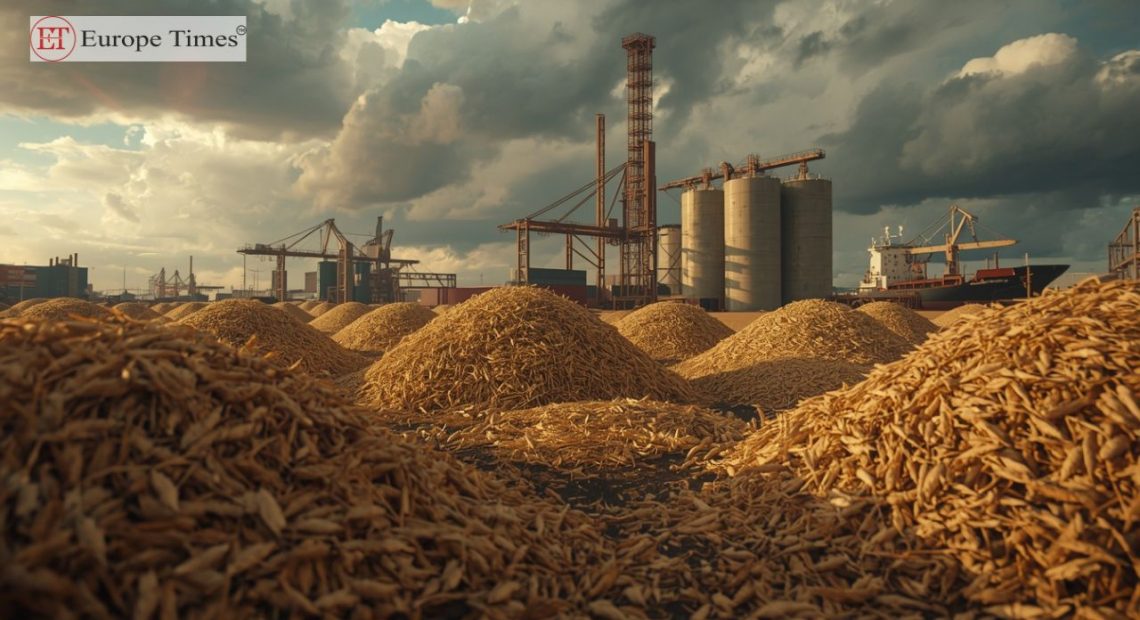
Global food prices climbed to their highest level since late 2022 in August, driven by extreme weather, geopolitical tensions and growing concerns over agricultural supplies, according to the United Nations Food and Agriculture Organization (FAO). The FAO Food Price Index averaged 133.3 points, up from a revised 130.8 in July, marking the highest reading since November 2022.

All major food categories tracked by the index—including cereals, vegetable oils, sugar, meat and dairy—recorded increases. Extreme heat and drought in Europe have threatened maize, sugar beet and livestock production, while expectations of a strong El Niño have raised concerns over palm oil and sugar supplies in Asia. Rising tensions and disruptions in the Black Sea have also affected grain shipments from Russia and Ukraine.

The FAO also lowered its forecast for global cereal production in 2026 by 3.4 million metric tons to 2.980 billion tons, which would represent a 2% decline from 2025. Global cereal stocks for the 2026/27 season were also revised down to 947.2 million tons. Despite the reductions, projected production is still expected to be the second-highest on record, highlighting the growing pressure from climate and geopolitical risks on global food markets.

Pic courtesy: google/ images are subject to copyright

featured News Trending

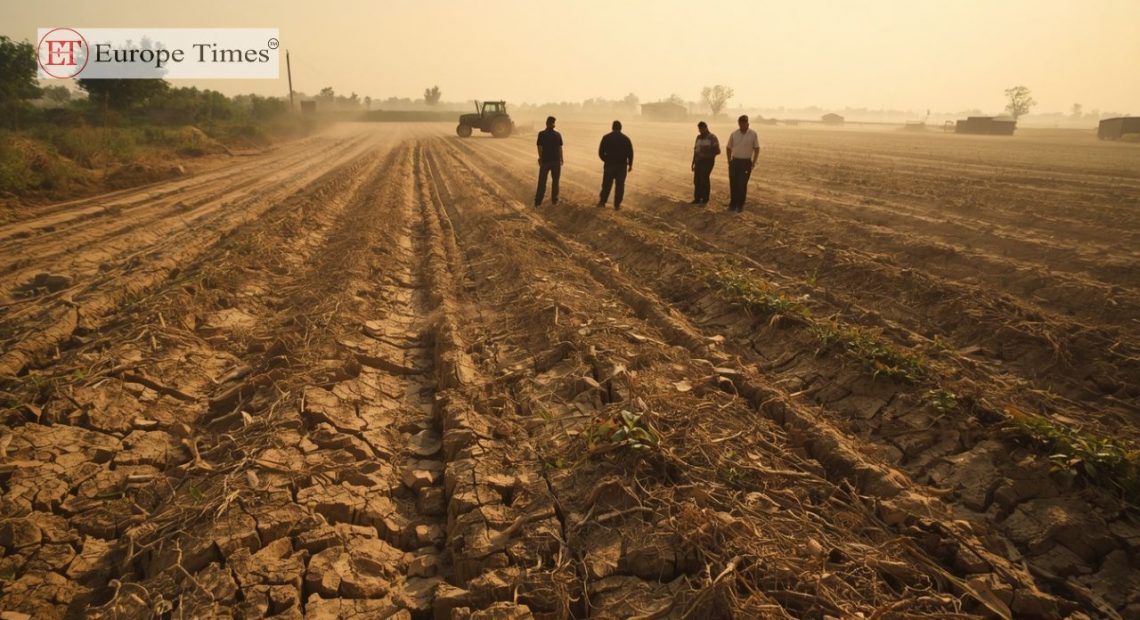
France has announced more than €1 billion in financial support for farmers affected by record heatwaves and droughts this summer. Agriculture Minister Annie Genevard said the package is a major effort given the country’s tight budget situation, with €520 million to be distributed through rapid payments to help cover weather-related losses.

France’s main farmers’ union, FNSEA, estimates farmers have already suffered at least €10 billion in lost production, with both livestock and crop sectors reporting losses of more than €5 billion each. Around 30,000 to 35,000 farms are facing financial difficulties, prompting the government to prioritise immediate assistance.

The package also includes a €235 million recovery fund to help farmers purchase seeds, crops and animal feed after drought damaged farmland and water supplies. Additional measures include land-tax relief, social-security payment support and fuel subsidies. The finance ministry estimates the extreme weather could reduce France’s economic growth by 0.1 percentage points this year, while another heatwave is expected this week.

featured News Trending

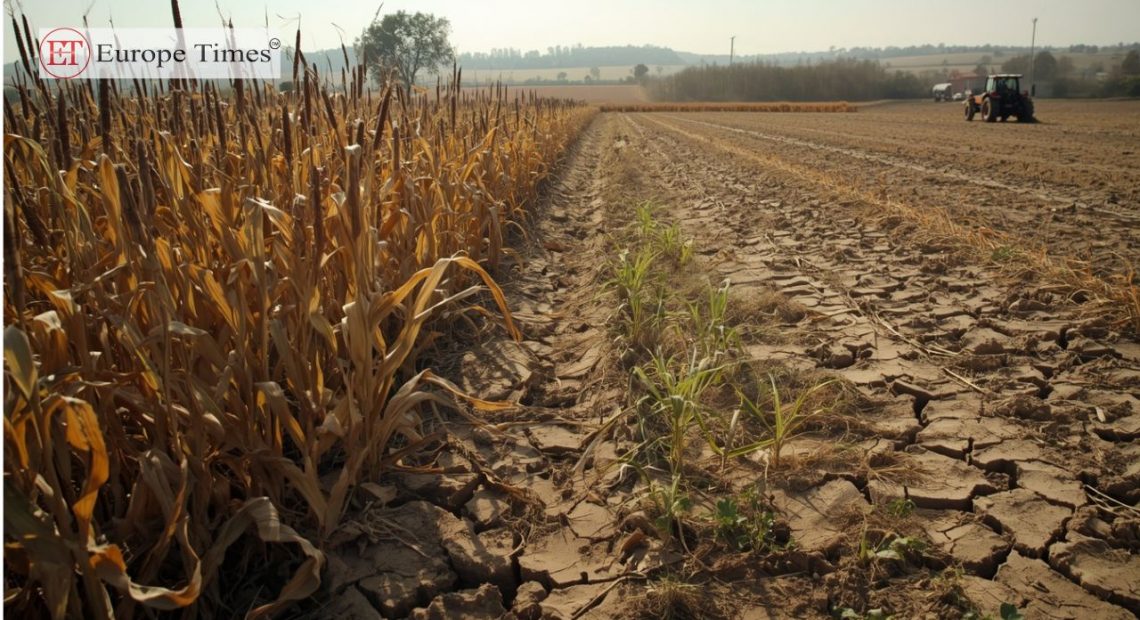
Climate change is putting increasing pressure on maize production across central and eastern Europe, with repeated droughts, heatwaves and water shortages reducing crop yields. The impact is particularly severe in Hungary and Romania, where maize acreage has fallen sharply. Hungary, once a major exporter, is expected to import maize this year, while Romania’s exportable surplus has declined.

The European Union’s maize harvest is forecast at 50.1 million metric tons in 2026, nearly a two-decade low and around 20% below the average of the past three years. Romania’s crop is expected to reach about 8 million tons, while Hungary’s harvest could fall to just 2.5 million tons. EU maize imports are projected to rise by 8% to 9% in 2026/27 as domestic production weakens.

Farmers are increasingly changing how they operate to cope with the changing climate. Some are switching from maize to crops such as sunflowers that require less water, while others are investing in irrigation. However, declining water availability is making even irrigation difficult. Farmers warn that without reliable water supplies, continued maize cultivation could become increasingly unviable, raising concerns for Europe’s food security and agricultural livelihoods.

Pic courtesy: google/ images are subject to copyright

featured News Trending

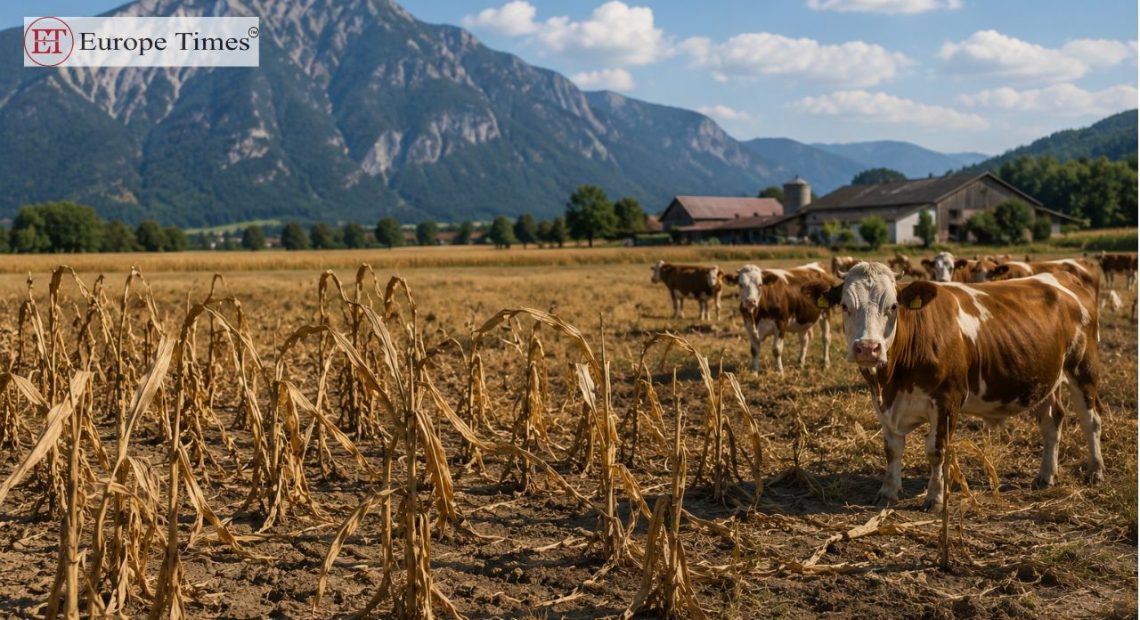
Austria’s agriculture sector is struggling under an unusually hot and dry European summer, with prolonged heat and a lack of rainfall damaging crops and leaving cattle farmers short of water and grass. Farmers in northern Austria say the sustained temperatures are unprecedented, forcing some cattle to be brought down from Alpine pastures earlier than usual.

The shortage of pasture is also raising costs for farmers, who may have to rely on stored hay or purchase additional feed meant for winter. Some farmers are responding by sending cattle to slaughter earlier than planned, while waiting lists at slaughterhouses are already growing. Conditions vary across different Alpine areas, with some pastures having already been cleared of cattle.

Crops have also suffered heavily, with Austria’s national food production body forecasting a 19% decline in the grain harvest this year. Corn has been particularly affected by the lack of water, while heat has damaged tomato crops in greenhouses around Linz. Farmers report that many tomatoes have stopped developing or developed dry, discoloured patches, although some crops, including carrots, have benefited from the unusually warm conditions.

Pic courtesy: google/ images are subject to copyright

featured News Trending

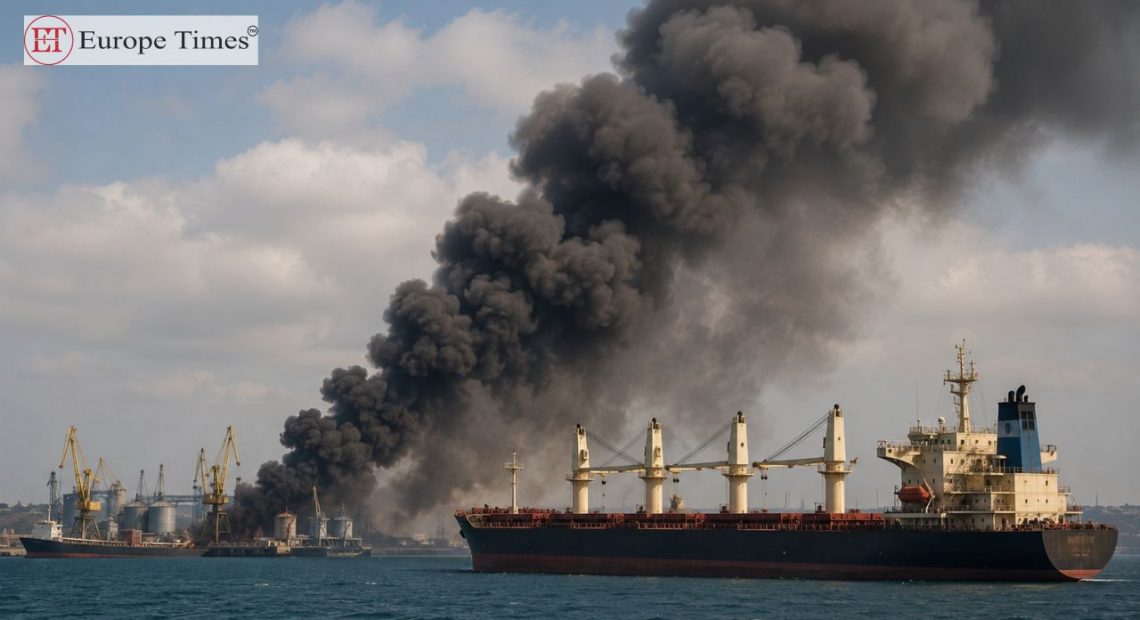
Shipowners have temporarily suspended vessel arrivals at Ukraine’s Black Sea ports for agricultural exports following a surge in Russian missile and drone attacks on ports and merchant ships. Ukraine’s Agriculture Ministry said the suspension was a decision taken by shipowners, while the government has not imposed any official restrictions.

According to traders and analysts, Ukraine has lost nearly one-third of its grain export capacity through the Black Sea due to the recent attacks. Although alternative export routes remain available, officials said they are currently underutilised. The disruption comes during the peak harvest season, raising concerns over global grain supplies.

Ukraine has requested an urgent United Nations Security Council meeting after reporting multiple attacks on civilian cargo vessels in recent days. Kyiv accused Russia of deliberately targeting maritime trade, while Moscow maintains it is striking infrastructure linked to Ukraine’s military. The escalating conflict has further disrupted shipping across the Black Sea region.

Pic courtesy: google/ images are subject to copyright

featured News Trending

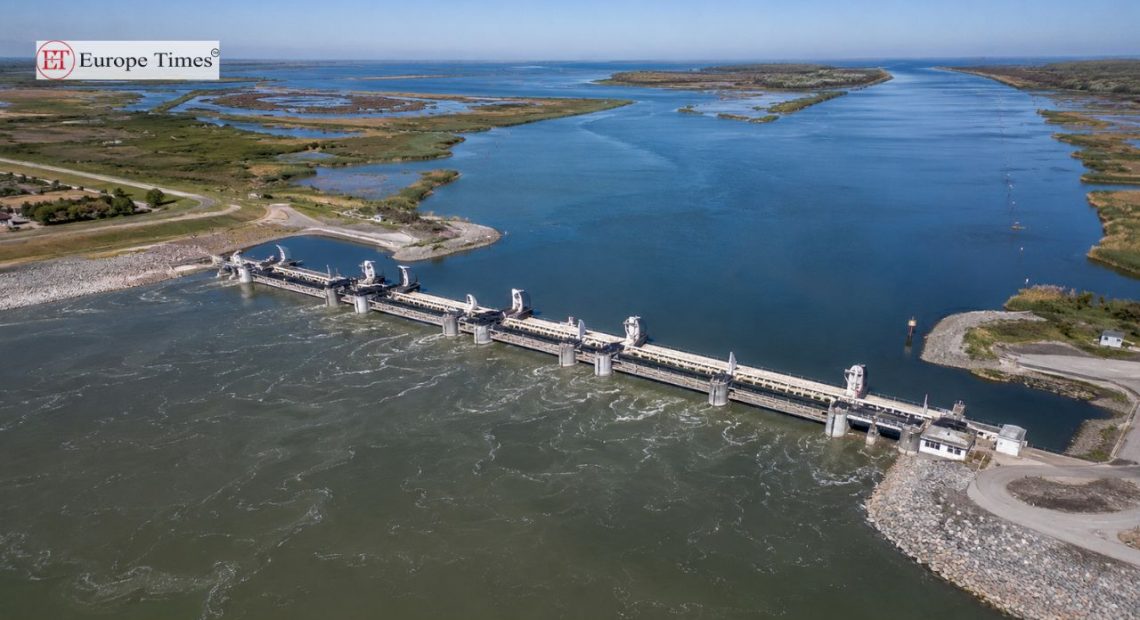
Po River in northern Italy has seen a sharp drop in water flow during an intense European heatwave, allowing seawater from the Adriatic to push as far as 18 km inland. The river’s discharge has fallen dramatically from around 1,000 cubic metres per second to below 300, triggering a “salt wedge” effect in the delta region.

The intrusion is disrupting agriculture and fragile wetland ecosystems, with irrigation canals being shut to prevent saltwater from damaging crops such as maize, rice, soybeans, and sunflowers. Farmers say the situation is worsening earlier than in previous drought years, raising concerns over crop survival during a critical growing phase.

Experts and local water managers warn that climate-driven extreme heat events are increasing both in frequency and intensity, overwhelming existing barriers and water management systems. They note that river flow levels have dropped below previously assumed safe thresholds, intensifying risks for farming communities across the delta.

Pic courtesy: google/ images are subject to copyright

featured News Trending

A mass migration amnesty launched by Spain’s leftist government is offering a beacon of hope to hundreds of thousands of undocumented day laborers currently living in substandard shanty towns. The policy, a major pillar of Prime Minister Pedro Sanchez’s agenda, aims to harness the economic benefits of migration to counter the nation’s aging population. Undocumented workers, such as 27-year-old Moroccan migrant Abdelmoujoud Erra, routinely work for as little as five euros ($5.80) an hour picking fruit and vegetables. Obtaining legal status through the amnesty, which runs through June, would allow these laborers to transition into legal employment with higher wages, stable working conditions, and the freedom to travel or pursue career dreams.

While the initiative brings joy to migrants like 35-year-old Ghanaian Michael Aymaga, who is eager to contribute his skills to Spanish society, the policy has deeply polarized the nation’s political spectrum. Right-wing opposition groups have vehemently condemned the mass legalization, with the People’s Party warning that it will saturate public infrastructure and Vox accusing the government of attempting to replace Spanish natives. Despite the political uproar, charities estimate that at least 70% of the regional agricultural workforce is currently undocumented, with roughly 10,000 migrants trapped in severe living conditions with limited water and intermittent power.

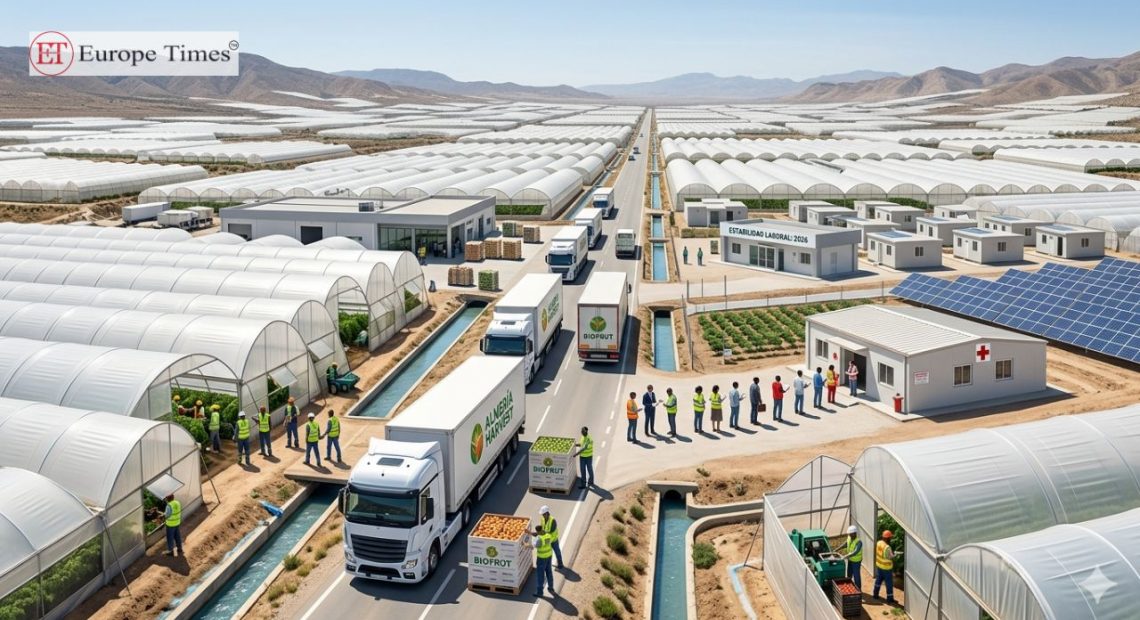
From an economic perspective, both agricultural business groups and farmers’ unions hope the amnesty will finally resolve chronic regional labor shortages. The southern province of Almería features over 30,000 hectares of intensive plastic greenhouses that act as the European Union’s primary winter supplier of vegetables, exporting 3 billion euros worth of produce annually. Industry leaders acknowledge that the sector relies heavily on informal migrant labor and believe that expanding the legal workforce will provide crucial operational stability, allow for the cultivation of labor-intensive crops, and ultimately foster greater long-term social cohesion.

Pic courtesy: google/ images are subject to copyright

featured News Trending

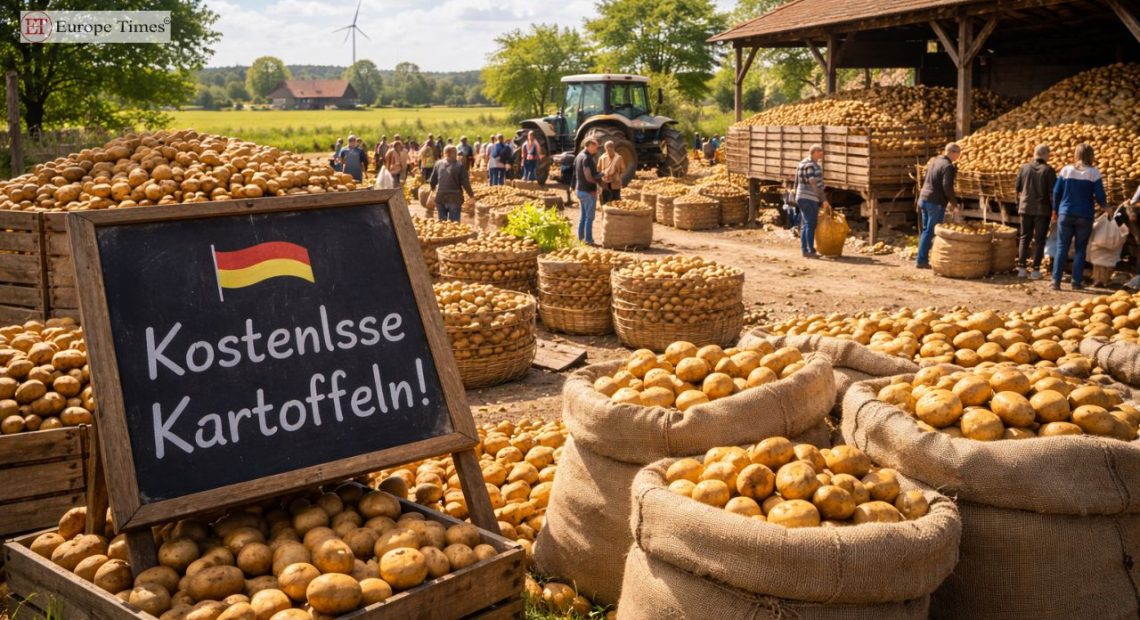
A German farm in the eastern state of Saxony has begun giving away millions of potatoes for free after a bumper harvest left the market oversupplied. Dubbed “the great potato rescue,” the initiative aims to prevent around four million kilograms of surplus potatoes from going to waste. Since mid-January, truckloads of potatoes have been transported to Berlin, where residents, food banks, schools and churches have benefited from the giveaway.

Germany, the European Union’s largest potato producer, saw last year’s harvest saturate the market, prompting Osterland Agrar to seek alternatives after a customer contract was cancelled. Partnering with the Berliner Morgenpost newspaper and eco-search engine Ecosia, organisers said the project was about highlighting the value of potatoes as food rather than discarding them. The farm has already distributed about 500,000kg across Germany and Ukraine and can store the remaining stock until mid-year.

The campaign has not been without controversy. The Brandenburg Farmers’ Association criticised the initiative as a “disgusting PR stunt,” warning it could disrupt local markets and devalue food. Despite mixed reactions, the potato giveaway has drawn widespread attention, reflecting Germany’s long-standing culinary love for the humble tuber. Funding for the Berlin operation is now running low, with only one more delivery expected once weather conditions improve.

Pic courtesy: google/ images are subject to copyright

featured News Trending

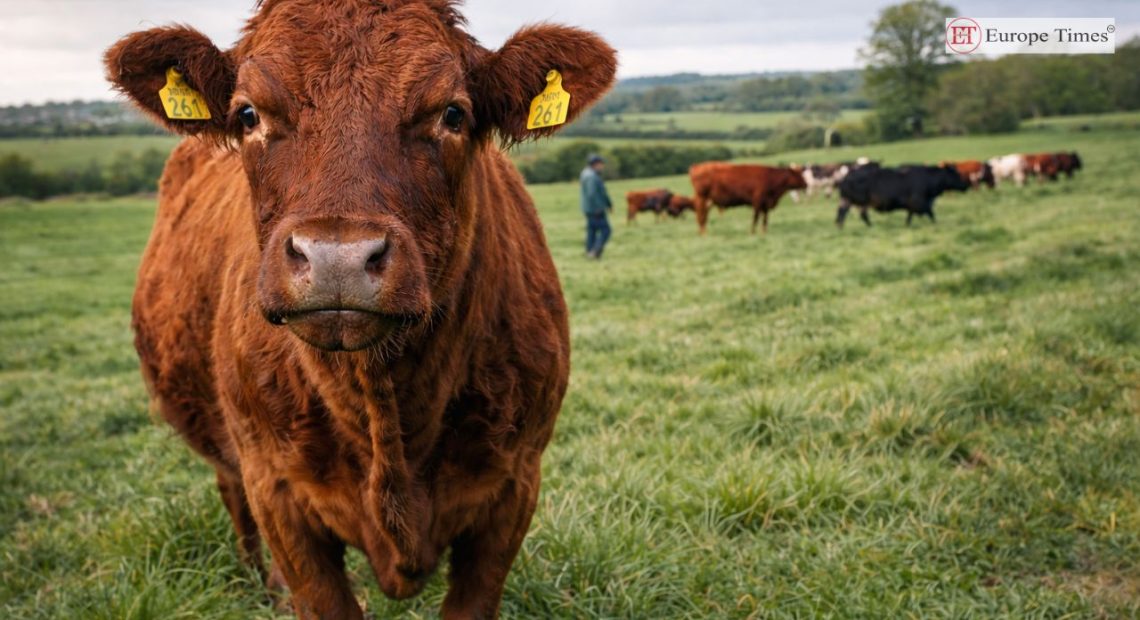
The bluetongue virus has been confirmed in a cattle herd in County Wexford, marking the latest detection of the disease in Ireland. The case follows earlier confirmations in Northern Ireland in December and reflects the wider spread of the virus across Europe and Great Britain. Ireland’s Minister for Agriculture, Martin Heydon, said the development was concerning but not unexpected given regional trends.

Bluetongue is spread by midges and poses no risk to public health or food safety, but it can seriously affect cloven-hoofed animals such as cattle and sheep. While rising temperatures have contributed to the spread of the virus, the minister noted that the recent seasonal drop in temperatures is likely to limit further transmission for now. Authorities are continuing investigations and carrying out additional sampling to better understand the situation.

Farmers have been urged to consult veterinarians about vaccinating their animals, as a precautionary measure. The President of the Irish Creamery Milk Suppliers Association described the case as deeply worrying for the affected family and the wider farming community. Bluetongue virus can cause symptoms including sores around the mouth, fever, breathing difficulties, lameness, and reproductive issues, though the severity can vary across regions and animals.

Pic courtesy: google/ images are subject to copyright

featured News Trending

The European Union’s long-awaited free trade agreement with Mercosur countries is likely to be applied provisionally from as early as March, according to an EU diplomat. The move could go ahead once the first Mercosur nation ratifies the pact, with Paraguay expected to do so in the coming weeks, allowing parts of the deal to take effect despite ongoing political and legal hurdles within the EU.

Momentum behind the agreement has been complicated by EU lawmakers referring the deal to the European Court of Justice, a step that could delay full implementation by up to two years. The referral has disappointed several EU governments and businesses, particularly in Germany, where the deal is strongly supported as a driver of growth. German Chancellor Friedrich Merz criticised the move, stressing that the agreement remains essential for Europe’s economic future.

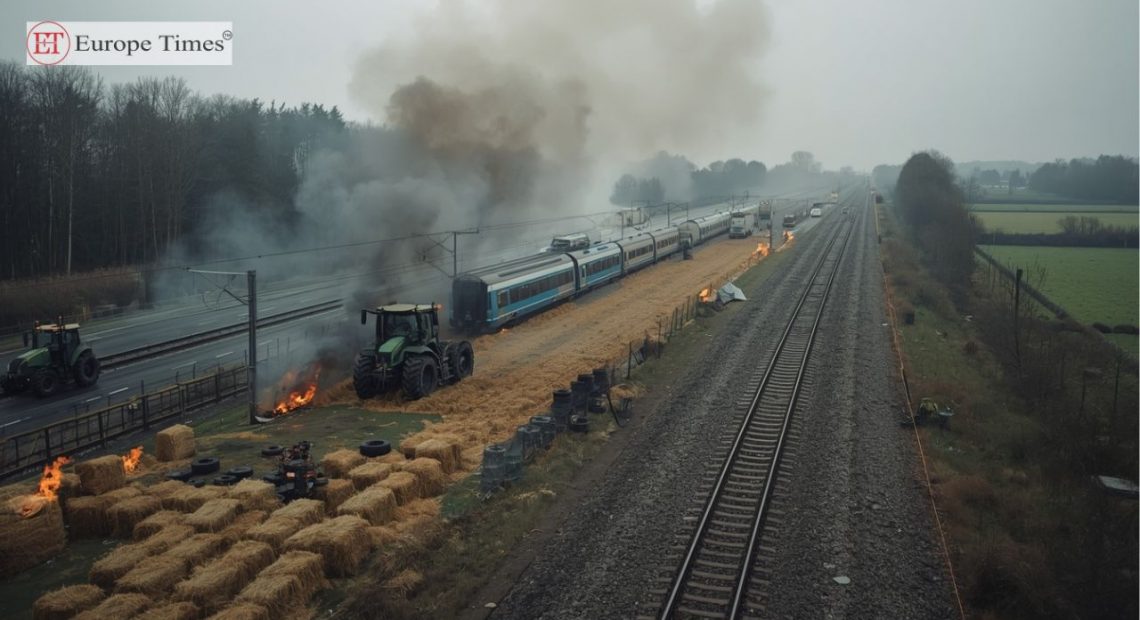
Signed after 25 years of negotiations, the EU-Mercosur pact is the bloc’s largest trade deal to date and is seen by supporters as a way to offset losses from U.S. tariffs and reduce dependence on China. However, opposition remains strong, led by France and farming groups, who warn that increased imports of South American agricultural products could undermine European farmers and disrupt local markets.

Pic courtesy: google/ images are subject to copyright