
Denmark’s Greenland Dilemma as Independence Looms Amid U.S. Pressure
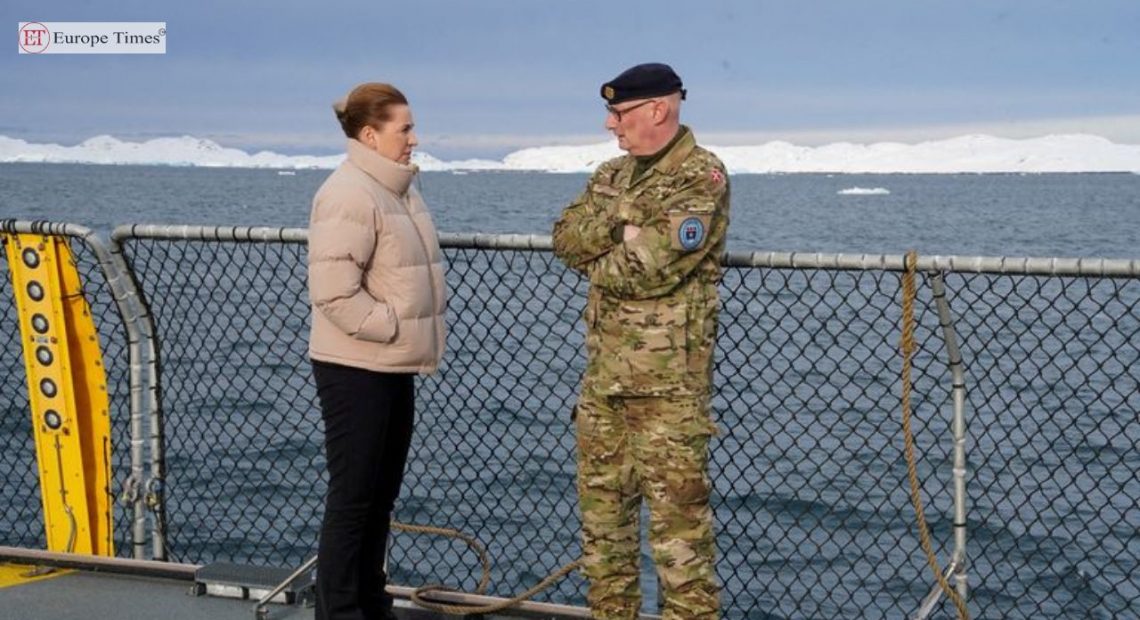
Denmark is facing a complex geopolitical challenge as it defends Greenland at a time when the Arctic territory is steadily moving towards independence. While recent statements from the Trump administration that “all options are open” for taking control of Greenland have prompted strong European support for Copenhagen, the crisis highlights a paradox: Denmark is expending diplomatic capital to protect a territory whose population increasingly wants self-rule and whose political leaders are open to dealing directly with Washington.
Greenland’s strategic importance — sitting between Europe and North America and hosting key elements of the U.S. missile defence system — gives Denmark significant relevance in Arctic geopolitics. However, that leverage could disappear if Greenland chooses independence, a right formally recognised in 2009. Analysts warn Denmark could end up paying a high diplomatic and financial price to resist U.S. pressure, only to see Greenland eventually chart its own path. Trump’s renewed interest has also accelerated internal debates in Greenland, where all major parties favour independence, differing only on timing and method.
The issue also carries a heavy economic burden. Denmark provides substantial annual funding to Greenland and has announced major new Arctic defence spending, even as Greenland’s economy stagnates. Prime Minister Mette Frederiksen must balance domestic politics, alliance relations with the U.S., and international law, while acknowledging Greenlanders’ right to decide their future. As tensions rise, Denmark is left defending both its sovereignty and its credibility, amid growing uncertainty over how long the union with Greenland will last.
Pic courtesy: google/ images are subject to copyright