Germany Faces Sharp Population Decline and Rapid Ageing, Says Statistics Office
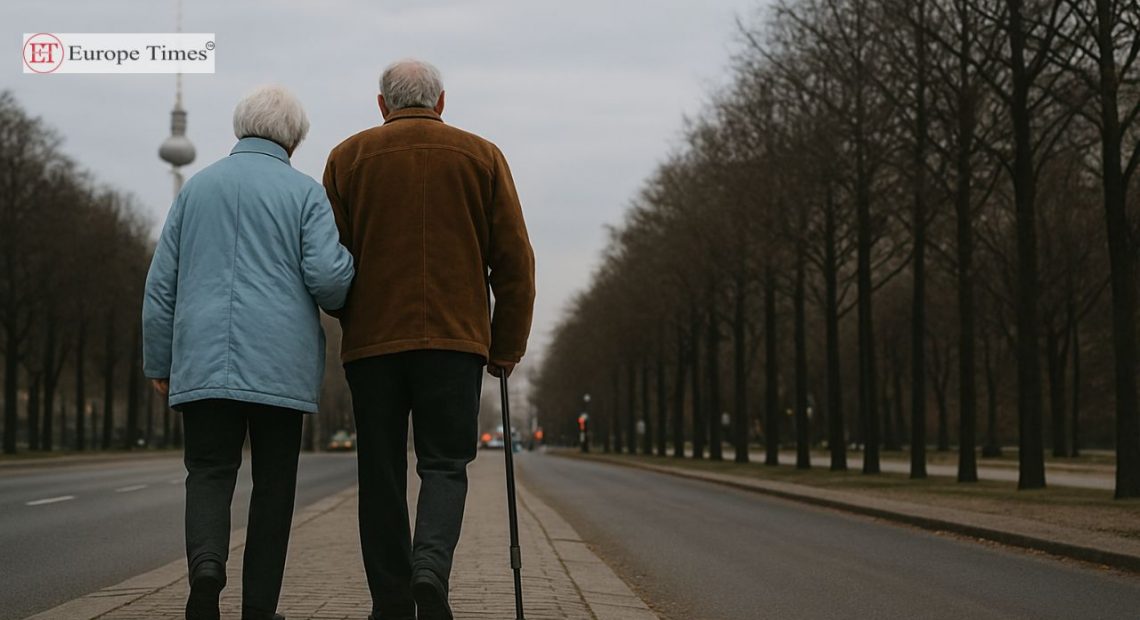
Germany’s population is projected to shrink significantly over the coming decades, with the national statistics office warning that the country could lose nearly 10 million people by 2070. As the large baby boomer generation ages, Germany is expected to have one in four citizens over the age of 67 within the next decade. By 2038, around 21 million residents—27% of the population—will be of pension age.
This rapid demographic shift is worsening labour shortages across Europe’s largest economy, with businesses increasingly struggling to find workers. The trend is also fuelling political tensions, as debates over immigration intensify and support grows for the far-right Alternative for Germany (AfD), which has surged in many opinion polls amid concerns about social and economic pressures.
Germany’s welfare system is expected to come under mounting strain, with the ratio of pensioners to workers projected to rise sharply. Currently, there are 33 retirees for every 100 working-age individuals, but in the worst-case scenario that figure could climb to 61 by 2070—leaving fewer than two workers contributing for each pension recipient. Only two out of 27 scenarios envision population growth, and both rely on higher immigration and increased birth rates.
Pic courtesy: google/ images are subject to copyright