featured News Trending

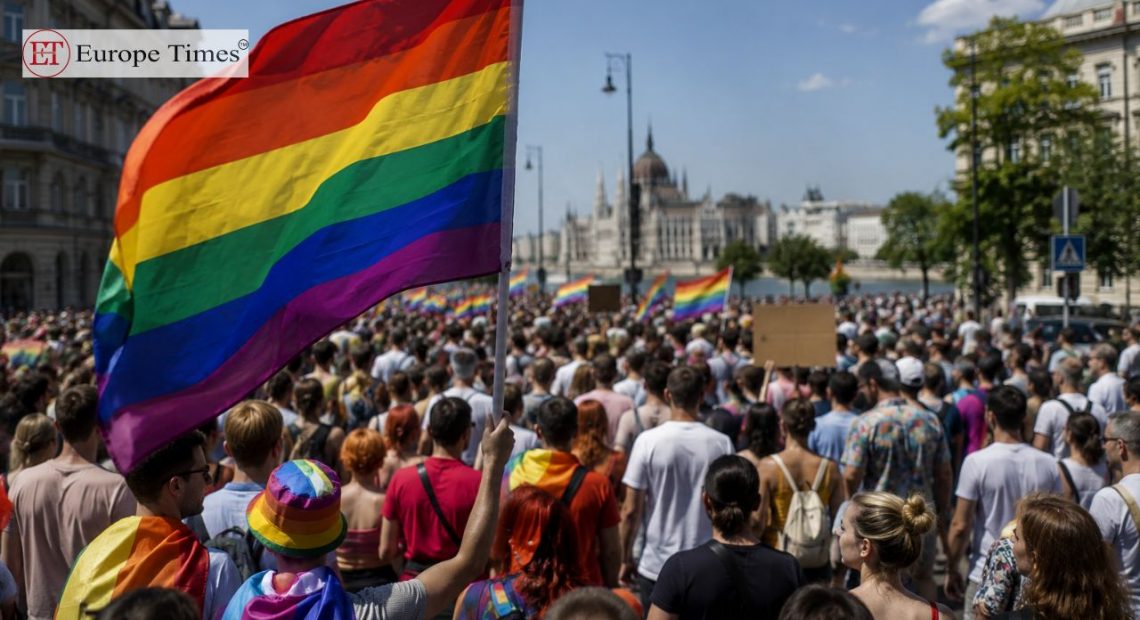
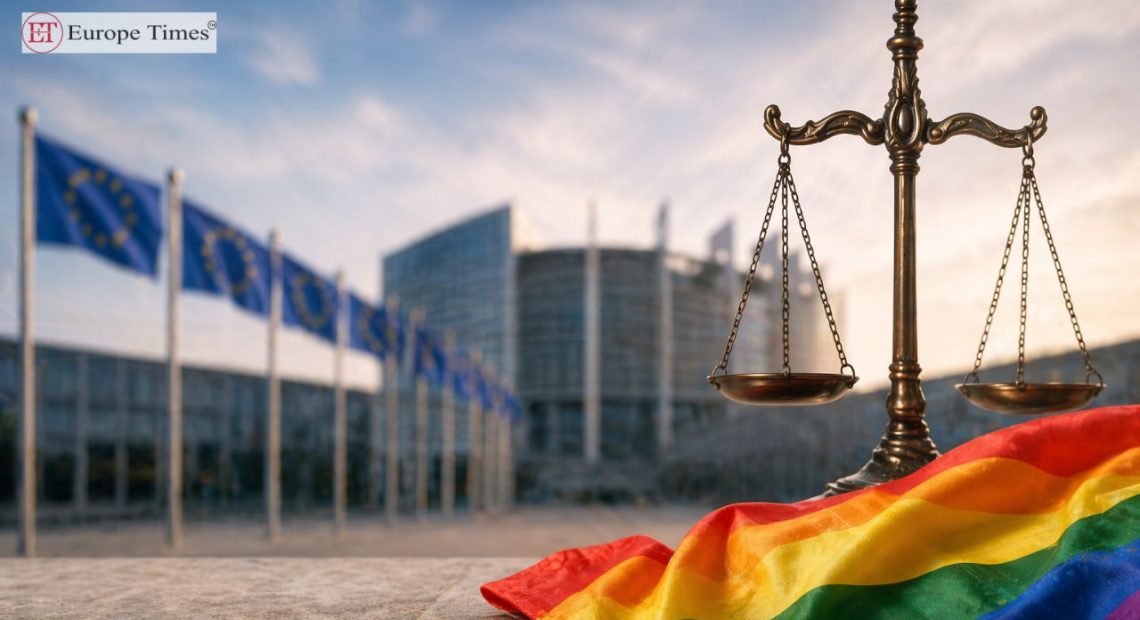
The European Court of Justice has ruled that Hungary’s anti-LGBTQ legislation violates European Union law and core values, marking an unprecedented legal decision. The law, introduced in 2021 under Viktor Orbán, banned the “promotion” of homosexuality and gender change to minors. The court found that it breached fundamental rights, including non-discrimination, freedom of expression, and respect for private and family life, while also undermining the EU’s founding principles under Article 2.

Judges said the legislation stigmatized LGBTQ individuals and unfairly linked them to criminal behavior, damaging equality and pluralism within the bloc. The ruling comes shortly after Hungary’s recent election, which ended Orbán’s long tenure and brought Péter Magyar to power. His party now holds a strong parliamentary majority, raising expectations for policy changes and closer alignment with EU standards.

The European Commission has indicated it will push the new government to comply with the judgment and repeal the law. Analysts say the decision could have broader implications across the EU, reinforcing that member states cannot violate both the legal framework and the underlying values of equality, human rights, and rule of law.

Pic courtesy: google/ images are subject to copyright

featured News Trending

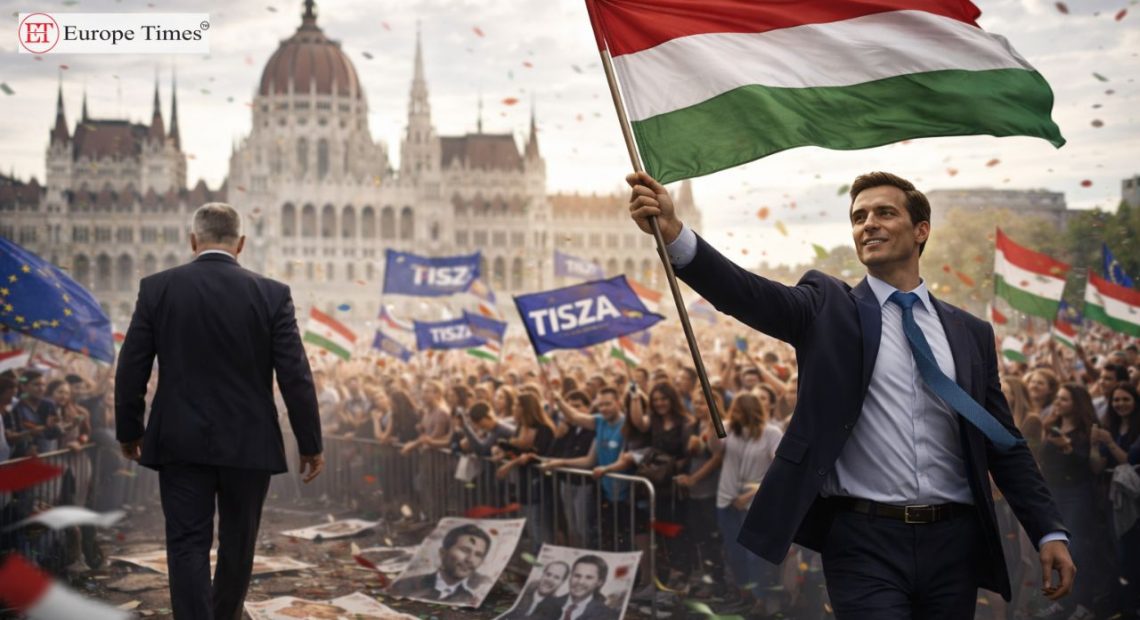
Hungary is set for a major political shift after Péter Magyar and his Tisza party secured a sweeping victory, ending Viktor Orbán’s 16-year rule. Winning 52% of the vote and a two-thirds parliamentary majority, Magyar has moved quickly to accelerate the transition of power, with plans for parliament to convene in early May. His government is already outlining reforms, including curbing media influence and introducing term limits that could block Orbán from returning to office.

Orbán, who finally addressed the defeat days later, described it as “the end of an era” and accepted responsibility, though he offered little reflection on campaign failures. His Fidesz party suffered a dramatic drop in representation and now faces internal uncertainty, with no clear successor emerging. The loss has exposed growing dissatisfaction among voters, especially younger generations, and highlighted the challenges of maintaining support after years in power.

Magyar’s incoming administration is expected to act swiftly on anti-corruption measures, economic recovery, and restoring democratic institutions. Priorities include preventing capital flight, preserving evidence of alleged wrongdoing, and unlocking withheld EU funds by meeting governance standards. With Hungary’s economy struggling, the new leadership faces pressure to deliver rapid reforms while redefining the country’s direction both domestically and within Europe.

Pic courtesy: google/ images are subject to copyright

featured News

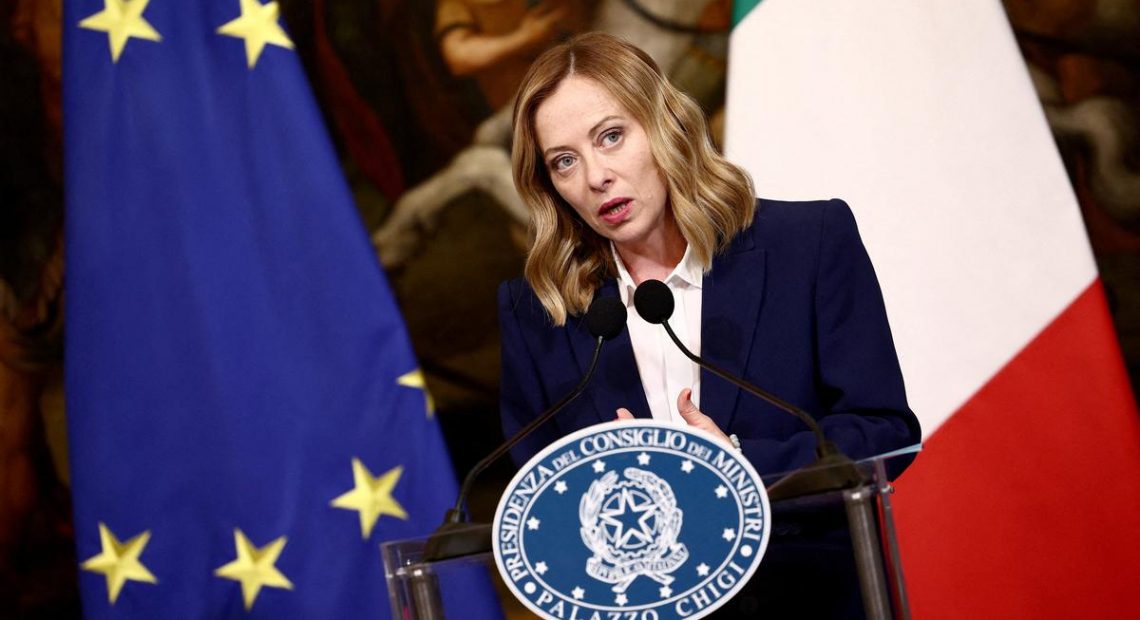
An Italian journalist, Giulia Cortese, has been ordered to pay Prime Minister Giorgia Meloni €5,000 (£4,210) in damages for social media posts mocking Meloni’s height. A judge ruled that two tweets by Cortese, who also received a suspended fine of €1,200, were defamatory and constituted “body shaming.”

The incident began in October 2021 when Meloni’s far-right Brothers of Italy party was in opposition. Cortese posted a doctored image on X (formerly Twitter) showing Meloni with a framed photo of fascist dictator Benito Mussolini in the background. Meloni condemned the image as extremely serious and announced legal action. Cortese deleted the image, admitting it was fake but accused Meloni of creating a “media pillory” against her. She called Meloni a “little woman” and later tweeted, “You don’t scare me, Giorgia Meloni. After all, you’re only 1.2m [3ft 9in] tall. I can’t even see you.” Meloni’s actual height is reported as 1.63m (5ft 3in) in Italian media.

Cortese was cleared of any wrongdoing for posting the doctored image but was convicted for the subsequent tweets. She has the option to appeal but hasn’t decided yet. Meloni’s lawyer stated that any awarded money would be donated to charity.

Cortese reacted to the verdict on X, criticizing the Italian government for its stance on freedom of expression and journalistic dissent. She compared the situation to Hungary under Viktor Orbán, expressing concern for independent journalists and opinion leaders in Italy. Cortese added that while she is proud to be Italian, the country deserves better than its current government.

Picture Courtesy: Google/images are subject to copyright