
featured News Trending

The return of Russia to the prestigious Venice Biennale has triggered protests and political controversy, with activist groups Pussy Riot and FEMEN staging demonstrations outside the Russian pavilion. Protesters accused Russia of using art and culture as part of its broader political influence campaign during the ongoing war in Ukraine. Demonstrators carried signs condemning the exhibition and argued that allowing Russia to participate ignored the human cost of the conflict.
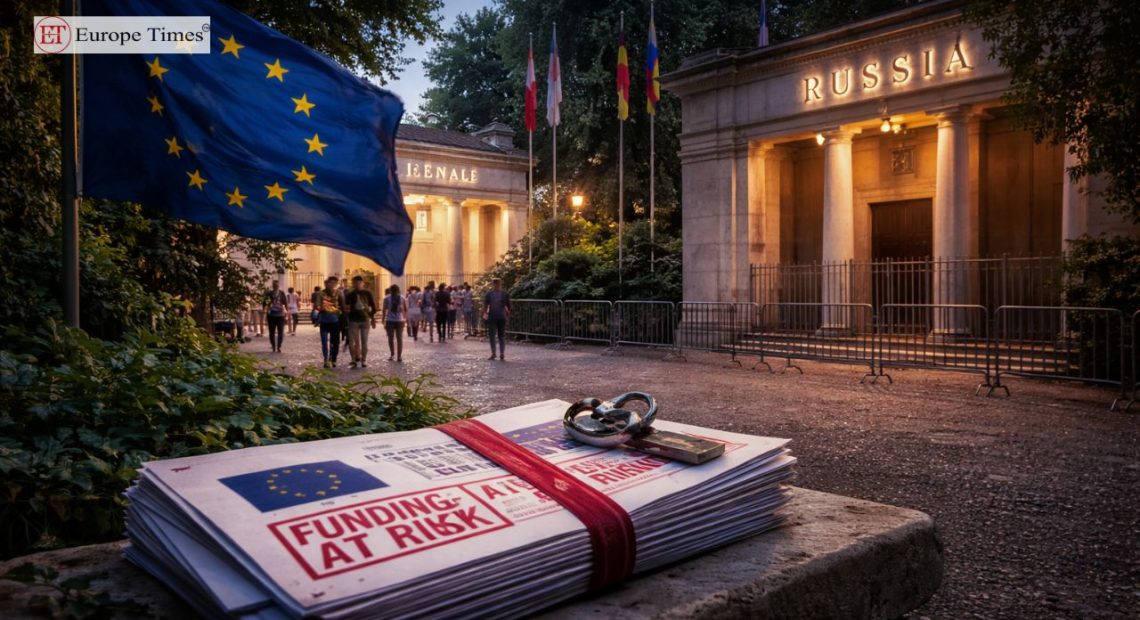
The backlash has grown across Europe, with the European Commission reportedly threatening to withdraw funding from the Biennale over Russia’s inclusion. Italy’s Culture Minister is boycotting the event, while Deputy Prime Minister Matteo Salvini defended Russia’s participation, saying no country should be excluded from the exhibition. Controversy has also spread beyond Russia, with separate protests targeting Israel’s pavilion and the resignation of the Biennale’s international jury after disputes linked to references to alleged war crimes.

At the centre of the debate is the role of art during wartime and whether global cultural events should remain politically neutral. Ukrainian artist Zhanna Kadyrova showcased a suspended concrete origami deer evacuated from the war-hit city of Pokrovsk, symbolising destruction and displacement caused by the conflict. Meanwhile, Russia’s pavilion defended its participation as a legitimate cultural presence, despite mounting criticism from activists, artists, and European officials.

Pic courtesy: google/ images are subject to copyright

featured News Trending

The European Commission has warned it may withdraw funding from the Venice Biennale if organisers allow Russia to reopen its national pavilion at this year’s art exhibition. Russia’s pavilion was closed after the 2022 invasion of Ukraine, which led to the exclusion of Russian artists and institutions from many cultural events across Europe. The EU said institutions must comply with sanctions and avoid giving a platform to individuals who support the Kremlin’s war.

The commission said it could review measures including suspending a current EU grant to the Biennale Foundation, which organises the event in Venice. The EU currently provides about 2 million euros for film-related projects over three years, while the festival also receives major funding from the Italian government. Culture and foreign ministers from more than 20 European countries have also written to Biennale President Pietrangelo Buttafuoco calling Russia’s participation unacceptable.

Buttafuoco defended the exhibition as a global space for dialogue without censorship, saying it should remain open even to countries involved in conflicts. However, Alessandro Giuli, Italy’s culture minister, said the government does not support the decision. Ukrainian officials also urged the international art community to stay alert to what they described as Russia’s use of culture for propaganda during the ongoing war.

Pic courtesy: google/ images are subject to copyright