featured News Trending

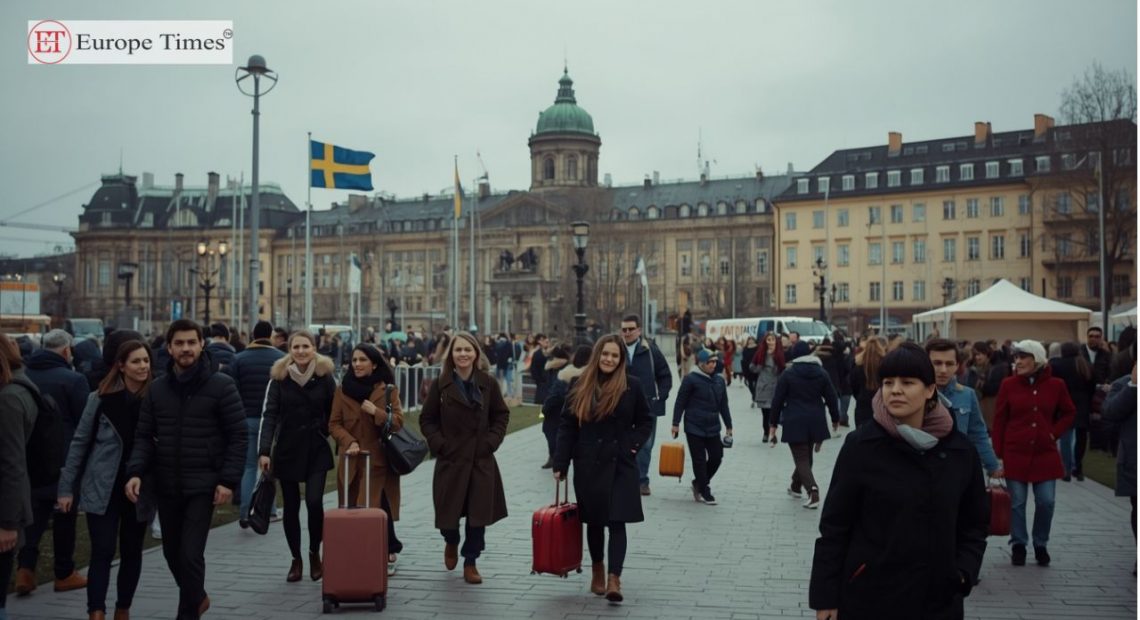
Sweden is taking a tougher approach to immigration ahead of its September 13 election, with the government offering foreign-born residents with non-EU residency permits up to 350,000 Swedish crowns (around $37,000) to leave the country. The policy marks a major shift for Sweden, which was once among Europe’s most welcoming countries for asylum seekers. The country received around 163,000 asylum seekers in 2015, but the number had fallen sharply by 2025.

The government says the voluntary “remigration” scheme is part of its broader effort to reduce immigration and address concerns over integration and crime. The programme has a budget of 1.3 billion Swedish crowns and has attracted support from the Sweden Democrats, a far-right party that supports the government in parliament. However, uptake has remained low, with only 171 people accepting the financial offer so far this year. Critics argue the programme is largely symbolic and designed to demonstrate a tougher stance on migration.

The policy has also sparked concern among immigrant communities and civil rights groups. Many immigrants interviewed by Reuters said they had no intention of leaving Sweden, citing their jobs, families, safety and hopes for a better future. The government has introduced other stricter measures, including citizenship tests and changes to residency rules. With opinion polls showing a close race between the governing bloc and the centre-left opposition, immigration remains one of the key issues shaping Sweden’s election debate.

Pic courtesy: google/ images are subject to copyright

featured News Trending

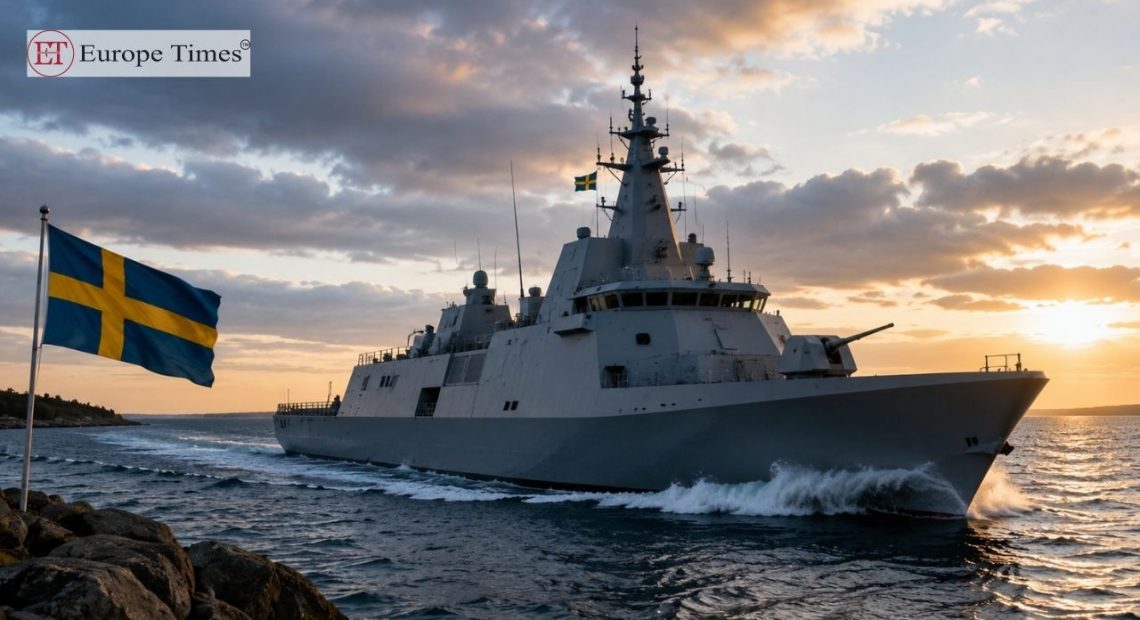
Sweden has signed an order for four frigates from French defence company Naval Group, in a deal aimed at strengthening the country’s military capabilities. The agreement was signed in Stockholm in the presence of French President Emmanuel Macron and Swedish Prime Minister Ulf Kristersson.

Sweden has accelerated defence spending since Russia’s invasion of Ukraine in 2022, which led the country to abandon its longstanding policy of military neutrality. European nations have also been boosting defence budgets amid growing concerns over security and uncertainty about the level of future U.S. support.

The deal, announced in May at a value of around $4 billion, is expected to triple Sweden’s air-defence capacity. The four frigates will be the largest ships in the Swedish Navy, with the first vessel scheduled for delivery in 2030. Macron said the agreement would strengthen Europe’s defence industry and its ability to take greater responsibility for regional security.

Pic courtesy: google/ images are subject to copyright

featured News

Sweden is sending radar equipment and military anti-drone systems to Denmark following a series of drone incursions that forced the closure of several Danish airports last week. Swedish Prime Minister Ulf Kristersson confirmed that “Counter-UAS” systems and radar units were being dispatched to bolster Denmark’s security ahead of the EU leaders’ summit on Wednesday and the European Political Community meeting on Thursday in Copenhagen.

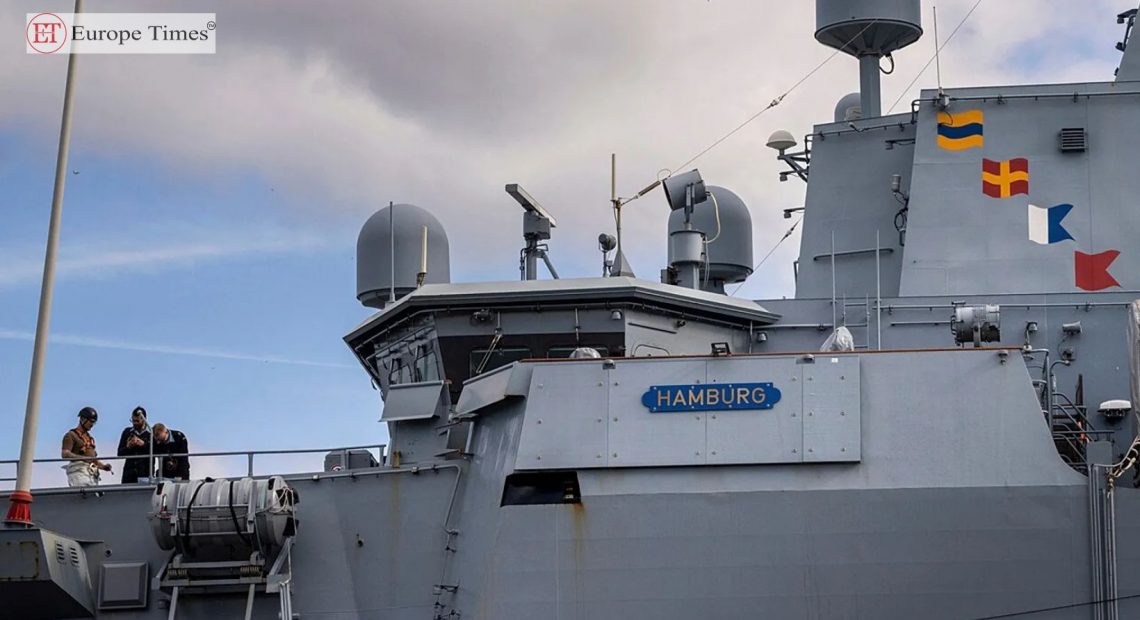
The drone incidents disrupted operations at six airports, including Copenhagen Airport, the busiest in the Nordic region. Danish Prime Minister Mette Frederiksen described the attacks as a potential hybrid assault on the nation. In response, Denmark imposed a temporary ban on civilian drone flights and increased security around sensitive locations, including military facilities. NATO has also stepped up its Baltic Sea mission, and a German air defence frigate has been deployed to assist with airspace surveillance.

While Denmark has not publicly named a perpetrator, Frederiksen has indicated Russia as the primary threat to European security. The Kremlin has denied any involvement in the drone activities. Swedish support and international cooperation aim to ensure safe and secure proceedings for the upcoming high-profile European summits.

Pic Courtesy: google/ images are subject to copyright

News Trending

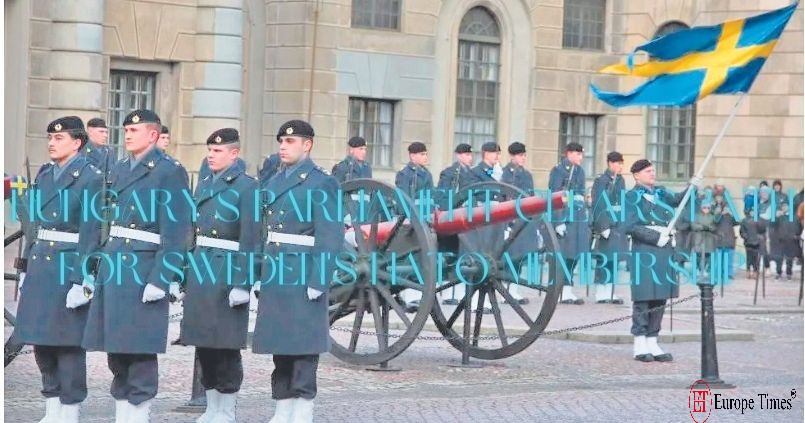
Sweden has cleared the final obstacle to its NATO membership after Hungary’s parliament voted to ratify its bid, prompted by Russia’s invasion of Ukraine in 2022. Initially met with delays and accusations of hostility from Hungary, Sweden’s application gained traction as Prime Minister Viktor Orban signaled support, emphasizing solidarity between the two nations.

Prime Minister Ulf Kristersson hailed the parliamentary ratification as a historic milestone, marking a significant departure from Sweden’s longstanding policy of neutrality spanning two centuries. This decision reflects Sweden’s commitment to defending its values and interests within the framework of the NATO alliance.

NATO Secretary General Jens Stoltenberg lauded Hungary’s approval, emphasizing its role in strengthening and ensuring the security of the alliance. With parliamentary hurdles cleared, Sweden now awaits the formal invitation to join the 31-member NATO group, signaling a transformative shift in its defense posture and regional security dynamics.

Picture Courtesy: Google/images are subject to copyright

News Trending

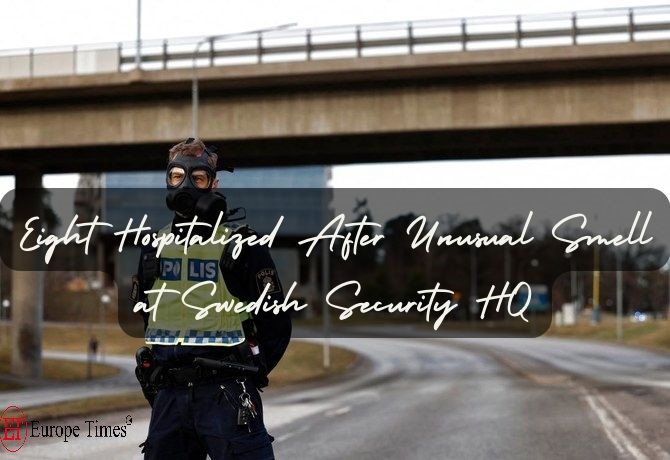
An incident at Sweden’s security service headquarters led to the hospitalization of eight individuals, including police officers, following reports of an unusual smell and subsequent evacuation of around 500 people. Initially thought to be a gas leak, authorities later confirmed no gas was detected. Police are investigating the cause, with speculation of phosgene detection, though unconfirmed.

Phosgene, a chemical used in plastics and pesticides and infamous from World War One, was suspected. Emergency services responded promptly, with roads closed and barriers erected. Six individuals were hospitalized for breathing issues, including police officers who detected the smell. Evacuation measures were extensive, with nearby schools and residences affected.

The incident concluded without further incident, coinciding with Prime Minister Ulf Kristersson’s visit to Hungary, where Sweden’s Nato membership ratification is pending.

picture courtesy: google/images are subject to copyright

News Trending

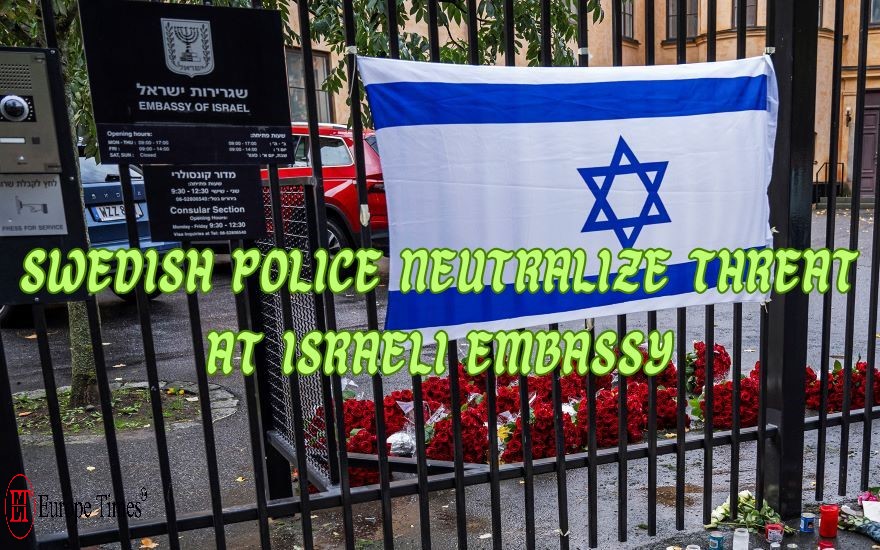
A “dangerous object” discovered outside the Israeli embassy in Stockholm has been destroyed by Swedish police, following what the Israeli ambassador labeled an “attempted attack.” The incident prompted a significant police cordon, though no injuries were reported. Authorities have not provided detailed information about the object, but it was described as a “live” device by embassy staff, leading to its assessment and subsequent controlled destruction by the national bomb squad.

The Swedish Prime Minister, Ulf Kristersson, characterized the situation as “very serious,” and the country’s Security Service is actively investigating to determine those responsible. As a precaution, increased surveillance has been implemented around the embassy and Jewish institutions in the area.

The Israeli ambassador expressed gratitude for the swift action taken by the Swedish authorities, asserting that acts of terrorism would not intimidate them. Meanwhile, Sweden’s Deputy Prime Minister, Ebba Busch, expressed her dismay at the incident, highlighting the frightening level of hatred against Israel and calling for a concerted effort to stop violent extremism.

Police are currently conducting an investigation into the incident and have not yet identified the individuals or groups behind the placement of the suspicious device. The embassy, located in Stockholm’s affluent Ostermalm area, remains under scrutiny in the aftermath of the attempted attack.

Picture Courtesy: Google/images are subject to copyright

News Trending

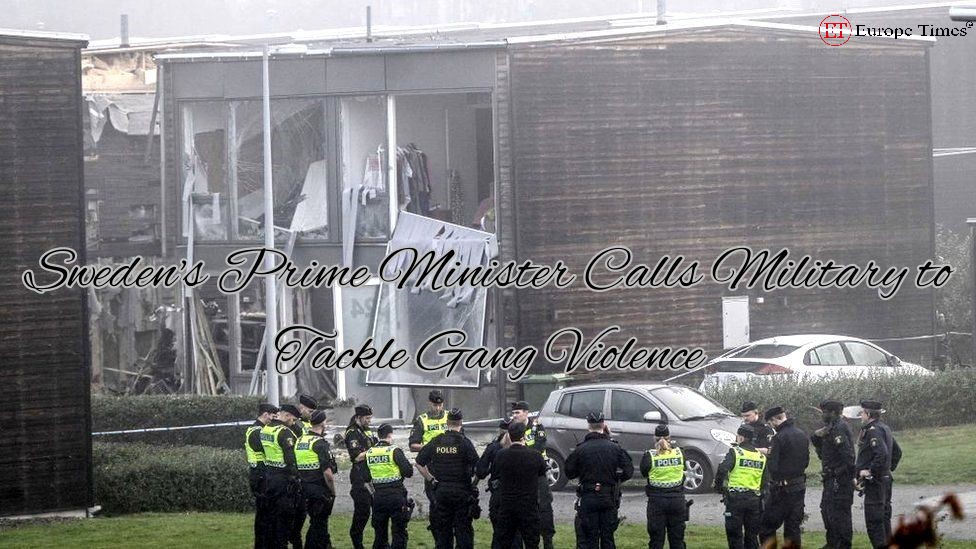
Sweden’s Prime Minister, Ulf Kristersson, has taken unprecedented steps to address a concerning surge in gang-related violence by summoning the head of the armed forces, Micael Byden, for assistance. The two leaders, along with the country’s police chief, are set to meet to discuss the potential role of the military in combating the escalating issue.

In a rare televised address, Prime Minister Kristersson expressed his determination to tackle the gang problem head-on, stating, “We will hunt the gangs down, and we will defeat them.” The move to involve the military comes in the wake of a particularly bloody 12-hour period, during which two men were shot dead in Stockholm, and a 25-year-old woman lost her life in an explosion in a town north of the capital.

While the exact nature of the military’s involvement remains uncertain, previous discussions have suggested that soldiers might take over certain policing duties to free up resources for law enforcement agencies to focus on crime-fighting. Critics, however, argue that these measures address the symptoms rather than the root causes of the violence.

Over the course of this month, Sweden has witnessed 12 fatalities in gang-related violence, the highest number since December 2019. The recent surge is believed to be linked to conflicts within a gang known as the Foxtrot network, which has splintered into rival factions due to infighting.

Prime Minister Kristersson emphasized the severity of the situation, noting that “no other country in Europe” is currently facing a similar crisis. He expressed concern that violence is increasingly ensnaring children and innocent bystanders across the country.

Efforts to address gang violence have included more surveillance, stricter penalties for gun law violations, enhanced deportation powers, and the establishment of stop-and-search zones. The prime minister’s government has sought inspiration from New York City’s strategies, yet some community organizers argue that these measures fall short of addressing the underlying social issues. They advocate for more action on child poverty and increased resources for youth clubs, community services, and sports centers to address the grief and pain experienced by those affected by the violence.

Picture Courtesy: Google/images are subject to copyright