featured News

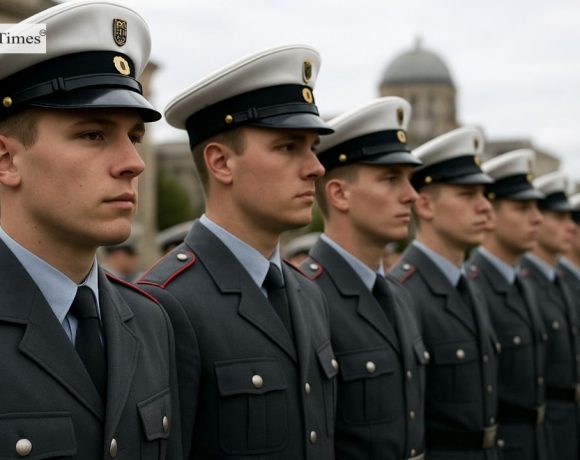
Germany’s parliament has approved a voluntary military service program for 18-year-olds, marking a major shift in the country’s defense policy. From January 2026, all 18-year-olds will receive a questionnaire asking if they are interested in joining the armed forces. While participation will initially be voluntary for men and women, mandatory medical exams for men will start in July 2027 to assess fitness for potential service. The move aims to strengthen Germany’s military after Russia’s invasion of Ukraine and to meet NATO force targets.

The decision has sparked protests across the country, with students in as many as 90 cities planning strikes. Critics argue that military service disrupts lives, encourages obedience training, and exposes young people to the realities of war. In Hamburg alone, about 1,500 people were expected to protest, highlighting widespread skepticism among German youth about the new law.

Germany’s armed forces currently number around 182,000, and officials plan to increase this to 260,000 by the early 2030s, supplemented by 200,000 reservists. Incentives for voluntary service include a monthly salary of €2,600, making it more attractive than similar programs in France. The legislation reflects Chancellor Friedrich Merz’s push to rebuild the Bundeswehr into Europe’s strongest conventional army amid growing security concerns.

Pic courtesy: google/ images are subject to copyright
featured News

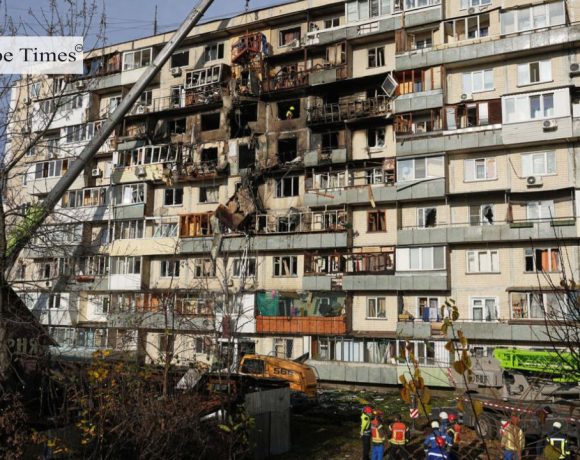
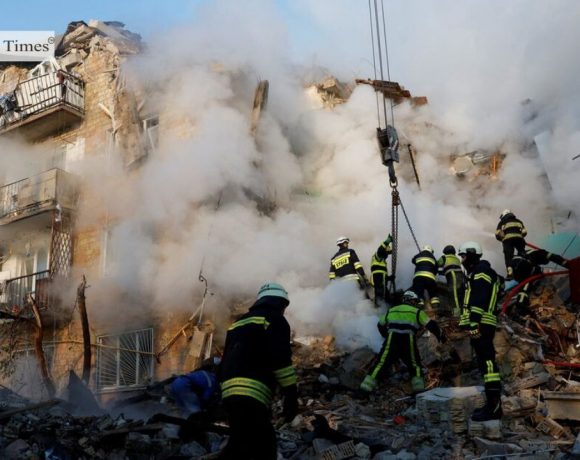
Russia launched one of its deadliest attacks on western Ukraine since the full-scale invasion, killing at least 16 people and injuring dozens in the city of Ternopil. Two residential blocks were hit by drones and missiles, with Ukrainian officials reporting that 14 children were among the 64 wounded. Strikes also targeted the regions of Lviv and Ivano-Frankivsk, while separate drone attacks in Kharkiv injured more than 30 people. Widespread power outages were reported across multiple regions.

President Volodymyr Zelensky said Russia fired more than 470 drones and 47 missiles, causing “significant destruction” and leaving many trapped under rubble. Videos from Ternopil showed one apartment block collapsed from the third to the ninth floor, with fires and heavy smoke visible across the area. Infrastructure, including energy and transport facilities, suffered severe damage in several regions as emergency workers continued rescue efforts through the night.

The strikes came a day after Ukraine confirmed firing US-supplied ATACMS missiles at targets inside Russia for the first time. In response, Russia accused Ukraine of launching missiles at Voronezh, all of which it claimed were intercepted. Meanwhile, tensions rose across the region, with Romania reporting a Russian drone entering its airspace and Poland scrambling jets following the attacks. Diplomatic movements also intensified, with Zelensky traveling to Ankara for talks as both sides remain deeply divided on any potential peace solution.

Pic Courtesy: google/ images are subject to copyright
featured News

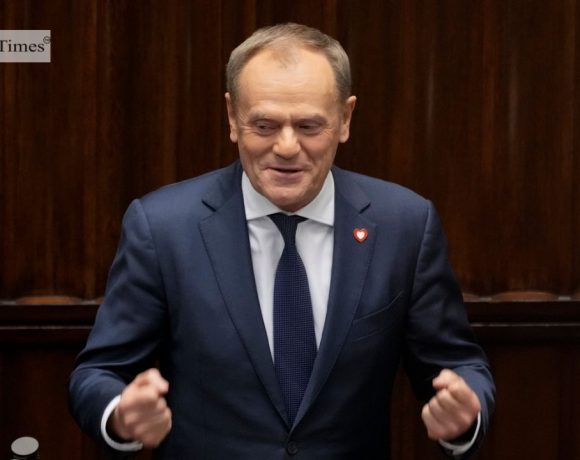
Polish Prime Minister Donald Tusk announced on Monday that the explosion that destroyed part of the Warsaw–Lublin railway line was the result of sabotage. Writing on X, Tusk confirmed that an explosive device caused the damage reported on Sunday, prompting emergency services and prosecutors to launch a full investigation. Additional damage was also found further along the same route, intensifying concerns about deliberate interference.

Local police had been alerted earlier when a train driver noticed structural damage on the track, leading to an immediate response and suspension of travel through the area. The incident highlights mounting security pressures in Poland, particularly as the country continues to serve as a major logistics hub for international aid flowing into Ukraine amid its war with Russia.

Warsaw has previously warned that its strategic role could make it vulnerable to hostile activities, though Moscow has consistently denied any involvement in sabotage efforts. The investigation into the railway explosion is ongoing.

Pic Courtesy: google/ images are subject to copyright
featured News

Azerbaijan has summoned Russia’s ambassador, Mikhail Yevdokimov, to lodge a formal protest after a Russian Iskander missile strike damaged its embassy in Kyiv. The Azerbaijani Foreign Ministry said the blast destroyed part of the perimeter wall and caused significant structural damage to the diplomatic compound.

According to the ministry, the incident occurred during a wave of Russian missile and drone attacks on the Ukrainian capital. Despite the extent of the damage, no injuries were reported among embassy personnel.

Azerbaijan called the situation unacceptable and demanded a clear explanation from Russia. The protest adds a new diplomatic strain as regional tensions continue to escalate amid the ongoing conflict.

Pic Courtesy: google/ images are subject to copyright
featured News Trending

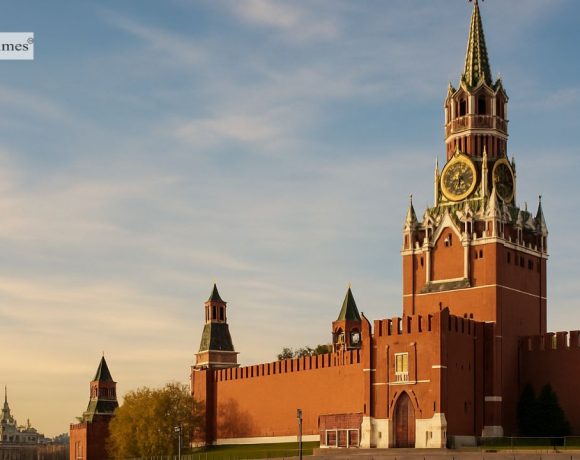
Hungarian Prime Minister Viktor Orban’s reported upcoming meeting with Russian President Vladimir Putin has sparked concerns among other EU leaders. Orban, currently holding the EU rotating presidency, maintains closer ties with the Kremlin compared to other EU heads of state, despite Russia’s full-scale invasion of Ukraine in 2022. European Council President Charles Michel emphasized that Orban lacks a mandate to engage with Russia on behalf of the EU, while Polish PM Donald Tusk sought clarification on the matter.

Reports indicate that Orban plans to meet Putin in Moscow, accompanied by Hungarian Foreign Minister Peter Szijjarto. The visit follows Orban’s recent trip to Kyiv, where he suggested a quick ceasefire to expedite peace negotiations, although Ukrainian President Volodymyr Zelensky did not publicly respond. Critics in Ukraine fear that any ceasefire could solidify Russia’s territorial gains without ensuring Ukraine’s negotiating strength.

Orban’s stance on Ukraine has been contentious within the EU; he previously delayed approval of a significant EU aid package for Ukraine. His recent visit to Kyiv, the first in twelve years, occurred shortly after assuming the European Council presidency, underscoring his influential role in European affairs despite internal and external scrutiny of his diplomatic engagements.

Picture Courtesy: Google/images are subject to copyright
News Trending

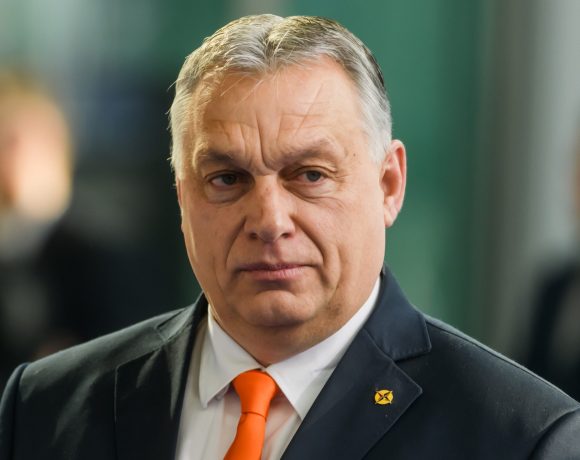
Bosnia and Herzegovina is set to begin negotiations for EU membership, marking a significant milestone eight years after the formal application was submitted. Following a recommendation from the European Commission last week, EU leaders have approved the initiation of talks. European Council President Charles Michel extended congratulations to Bosnia and Herzegovina’s leaders, affirming their place within the European family. He emphasized the importance of continued efforts for progress, a sentiment echoed by Borjana Krišto, Chairwoman of the Council of Ministers of Bosnia and Herzegovina, who expressed gratitude for achieving the necessary compliance with EU requirements.

The approval for Bosnia’s EU talks has been welcomed as a positive development by leaders across Europe. German Chancellor Olaf Scholz hailed it as a good message for the entire region, while Croatia’s Prime Minister Andrej Plenković described it as a historic day for Bosnia and Herzegovina.

The road to EU membership has been long for Bosnia, with the country formally obtaining candidate status in 2022 after applying for membership in 2016. In the past year, Bosnia has made strides in passing laws aligned with EU priorities, particularly focusing on areas such as democracy, the rule of law, fundamental rights, and public administration reform.

Despite progress, Bosnia remains ethnically and politically divided, a legacy of the 1992-95 war. Further economic and democratic reforms will be necessary before formal EU accession can occur.

The EU’s commitment to the Western Balkans has been underscored by recent events, particularly in light of the conflict in Ukraine. Other countries in the region, including Albania, Georgia, Kosovo, Moldova, Montenegro, North Macedonia, Serbia, Turkey, and Ukraine, are also at various stages of the EU application process.

Picture Courtesy: Google/images are subject to copyright

News Trending

A new Russian school textbook has been introduced under the guise of “Fundamentals of Security and Defence of the Motherland,” replacing a previous subject called “Fundamentals of Safe Living.” This compulsory lesson targets high school students aged 15 to 18 in both Russia and occupied territories in Ukraine. Former soldiers and individuals with pedagogical degrees are being trained to teach this subject, with the curriculum heavily influenced by the Russian government’s agenda.

The textbook, titled “The Russian Army in Defence of the Fatherland,” glorifies Russian military history, including the role of Joseph Stalin and the Soviet victories in World War Two. It also portrays Russia’s annexation of Crimea in 2014 as a “reunification” and justifies the invasion of Ukraine with distorted facts, blaming Ukraine and NATO for initiating conflict.

Furthermore, the textbook propagates misinformation about events such as the destruction of Ukrainian infrastructure and civilian casualties during the conflict. It aggressively promotes joining the Russian military, highlighting benefits such as free medical care, insurance, a decent salary, and three meals a day.

Critics argue that this indoctrination through education could lead to more young people joining the military and ultimately being casualties of war. While Russia doesn’t disclose its exact military casualties, it’s estimated that at least 1,240 soldiers under the age of 20 have died in the conflict with Ukraine.

Picture Courtesy: Google/images are subject to copyright

News Trending

Russian President Vladimir Putin recently presented North Korean leader Kim Jong Un with a luxurious Russian-made car, as reported by Pyongyang’s state media. Kremlin spokesman Dmitry Peskov confirmed the gift, specifying that it was an Aurus, a high-end luxury sedan similar to those favored by Putin himself.

This gesture highlights the deepening relationship between the two nations, particularly in light of Russia’s ongoing conflict with Ukraine. Despite facing international sanctions, suspicions persist regarding military collaboration between Russia and North Korea, with allegations of North Korea providing artillery and missile support to Russia for its war efforts.

The exchange occurred during Kim’s visit to the Vostochny Cosmodrome last September, which marked his first trip abroad in four years. During this visit, Putin personally showed Kim his Aurus limousine and gifted him firearms, further solidifying their rapport.

Kim’s sister, Yo Jong, praised the car gift as emblematic of the close personal bond shared between the two leaders. However, South Korea’s Foreign Ministry criticized the gesture, citing UN sanctions that prohibit the supply of luxury vehicles to North Korea.

While the relationship between Putin and Kim may not display the same level of camaraderie seen between Kim and former US President Donald Trump, both leaders recognize the strategic benefits of fostering closer ties. Plans for Putin to visit Pyongyang in the future have been hinted at by both sides, indicating the ongoing development of their diplomatic relationship.

Picture Courtesy: Google/images are subject to copyright

News Trending

In Finland’s recent presidential election, Alexander Stubb, the conservative former Prime Minister, emerged victorious with 51.6% of the vote, defeating his Green Party opponent Pekka Haavisto, the former foreign minister, who garnered 48.4%. Stubb’s win marks a significant moment for Finland as it is the first election since the country joined the NATO military alliance.

Known for his assertive stance towards Russia, particularly following the Ukrainian conflict, Stubb has emphasized the importance of Finland’s NATO membership since Russia’s invasion of Ukraine in 2022. He reiterated the challenges of engaging in political dialogue with Putin’s administration amid ongoing aggression against Ukraine.

Haavisto gracefully conceded defeat, acknowledging Stubb’s win and expressing his intention to focus on his role as a lawmaker rather than pursuing future electoral endeavors. Despite his loss, Haavisto’s commitment to serving in Finland’s legislative body remains unwavering.

Stubb is set to assume office on March 1st, succeeding Sauli Niinisto. As president, he will hold direct responsibility for foreign and security policy and serve as the commander-in-chief of Finland’s armed forces, shaping the nation’s stance on critical international matters.

Picture Courtesy: Google/images are subject to copyright

News Trending

Russia’s election commission has rejected Boris Nadezhdin, an anti-war challenger, as a candidate in the upcoming presidential election, citing flaws in the signatures submitted with his candidate application. Despite his efforts to contest the decision, the commission upheld its ruling. Nadezhdin, however, vowed to challenge the decision in the Supreme Court.

The commission stated that over 9,000 signatures out of the 105,000 submitted by Nadezhdin were invalid, leaving him just short of the required 100,000 valid signatures. Nadezhdin expressed frustration, claiming widespread support and citing polls that positioned him as the second most favored candidate after Putin.

Nevertheless, the commission chairwoman, Ella Pamfilova, declared the decision final, suggesting that Nadezhdin could pursue legal action if he wished. The election is scheduled for March 15-17, with Vladimir Putin expected to secure victory as opposition candidates perceived as Kremlin-friendly dominate the race.

Despite the setback, Nadezhdin remained resolute, asserting that his candidacy was a crucial political decision. He had garnered significant support, amassing over 200,000 signatures nationwide. Nadezhdin, known for his appearances on state-run TV as an anti-war figure, emphasized his commitment to ending the conflict in Ukraine and normalizing Russia’s relations with the West.

Although his candidacy initially faced skepticism from some opposition figures, prominent voices like Alexei Navalny and Mikhail Khodorkovsky endorsed Nadezhdin’s campaign. However, pro-Kremlin commentators accused him of being a pawn for “Ukrainian Nazis,” reflecting the divisive nature of his candidacy.

Nadezhdin’s bid for the presidency echoes previous attempts by candidates to run on an anti-war platform, underscoring the prevalent sentiment of opposition to Russia’s involvement in Ukraine. Despite being barred from the race, Nadezhdin’s campaign resonated with segments of Russian society, particularly those affected by the conflict.

Picture Courtesy: google/images are subject to copyright