featured News Trending

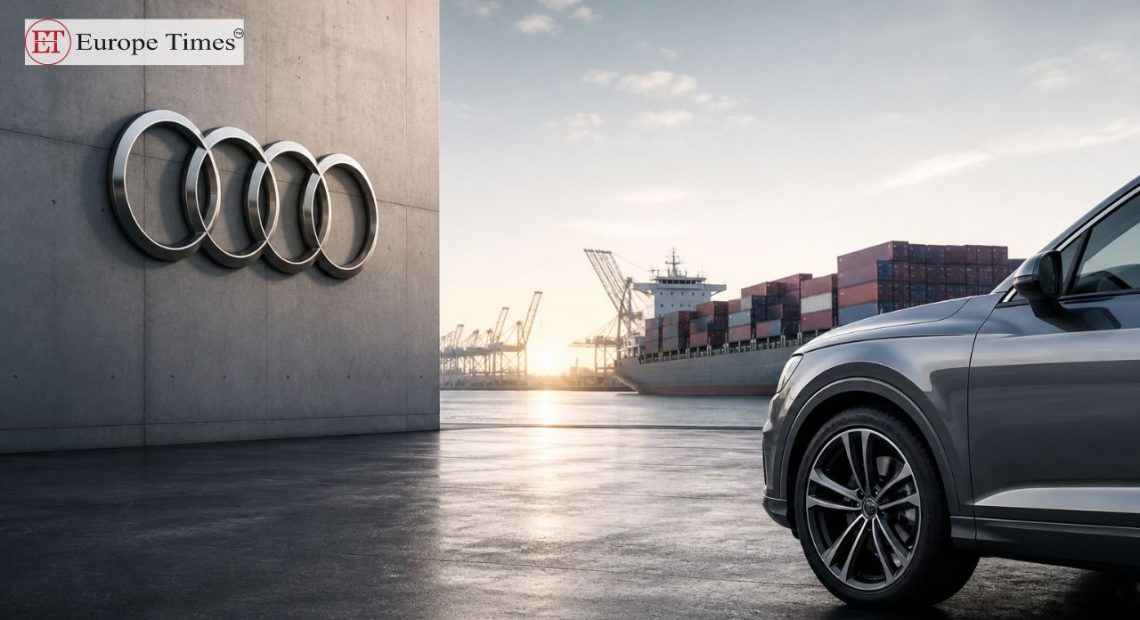
Audi has warned that a potential U.S. tariff increase on European car imports could have a “significant” impact on its business as it prepares to launch its largest SUV in the American market this summer. The proposed 25% tariff, threatened by U.S. President Donald Trump, would particularly affect models like the Audi Q9, which is produced in Slovakia and exported to the U.S. The company currently relies heavily on imports from Europe and Mexico, as it has no production facility in the United States.

Audi’s finance chief said the company is still assessing the situation but acknowledged that the tariffs would place a heavy burden on operations. He added that Audi, along with parent company Volkswagen, is exploring options to establish manufacturing in the U.S., though such a move would likely require government support such as subsidies or tariff relief to be viable.

The automaker reiterated its 2026 profit outlook, which does not factor in any additional tariff increases beyond the current 15% duty already in place, costing the Volkswagen Group around €4 billion annually. Meanwhile, the company continues its cost-cutting efforts, including plans to reduce around 7,500 jobs by 2029, as it faces mounting pressure from tariffs and strong competition from Chinese automakers.

Pic courtesy: google/ images are subject to copyright

News Trending

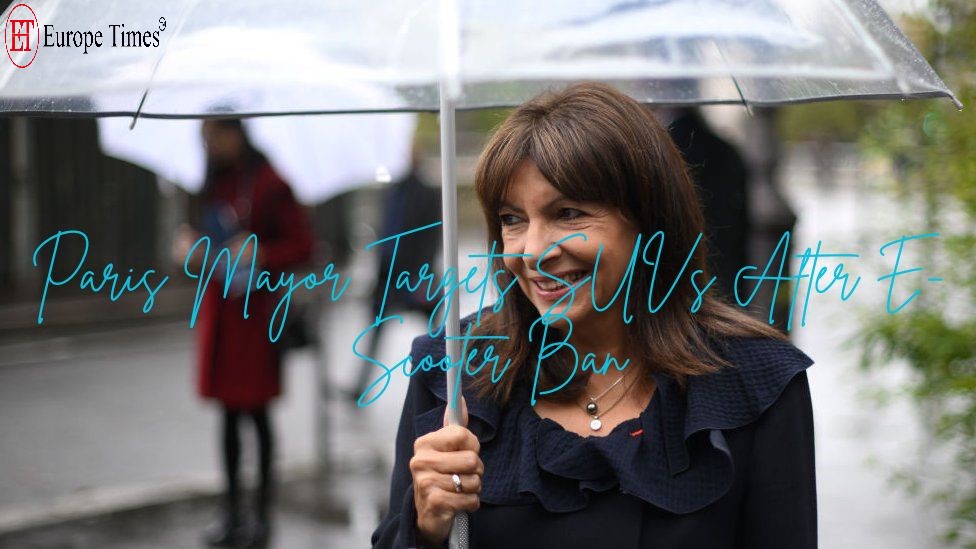
Paris Mayor Anne Hidalgo, fresh from her success in banning rental electric scooters, is now targeting SUVs. She plans to hold a city referendum in February to decide on increasing parking fees for SUVs, similar to the e-scooter referendum where she achieved an easy victory. Hidalgo assures that Paris residents won’t be affected, as SUV ownership within the city is relatively low. The main impact would be on suburbanites who drive SUVs into Paris for work or leisure, and they won’t be part of the voting process.

Critics suspect that Hidalgo’s focus on SUVs is a diversion from controversy surrounding her own overseas trip to New Caledonia and French Polynesia. During this two-week visit in October, she extended her stay to visit her daughter, raising eyebrows. Opposition council members criticize the timing, especially during the aftermath of the October attacks in Israel, when concerns about the Middle East conflict were high in Paris. Hidalgo’s office denies any wrongdoing, stating that extending official visits for personal reasons is a common practice, and she covered the costs for the personal portion of her trip.

Officially, Hidalgo’s visit included paying respects at a cemetery in New Caledonia and holding meetings in French Polynesia, where protests disrupted plans to view the Olympic site at Teahupo’o. Right-wing members of the Paris Assembly criticize the trip’s appropriateness, citing the €60,000 cost. They argue that it was unnecessary for Hidalgo to visit the Olympic site, as key officials involved in organizing the Games had already been there. Critics also highlight the environmental impact of Hidalgo’s long-haul flight, contrasting it with her emphasis on environmental concerns related to local transportation in Paris.

Picture Courtesy: Google/images are subject to copyright