featured News Trending

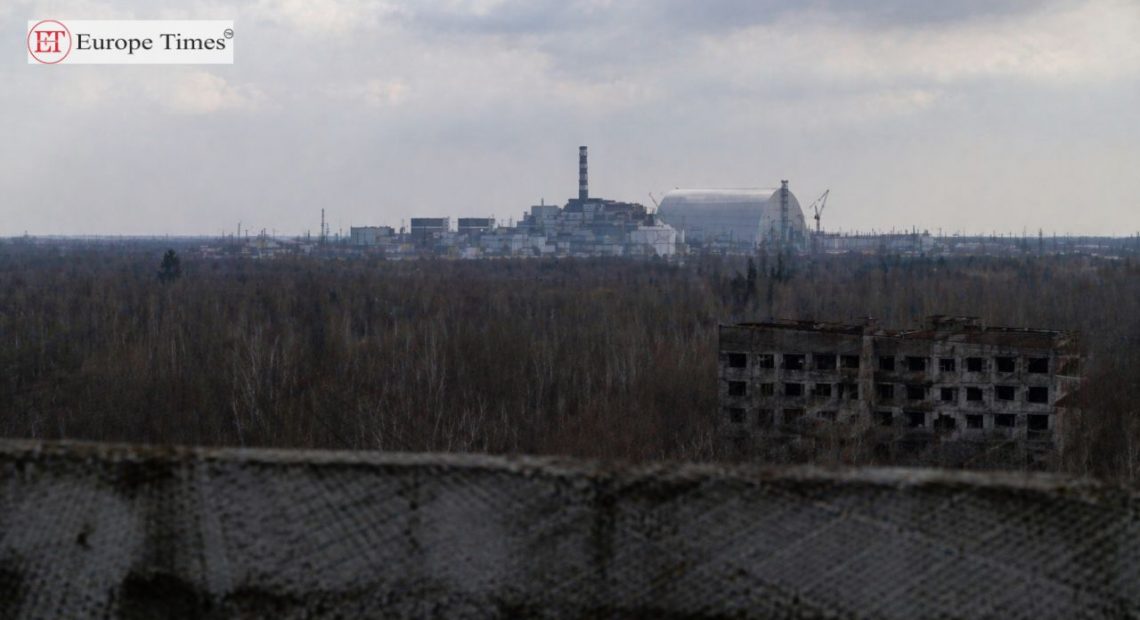
Nearly four decades after the Chernobyl disaster, Ukrainian first responder Petro Hurin says the effects of the catastrophe continue to shape his life. As one of the many “liquidators” tasked with cleaning up the aftermath of the explosion at reactor four, he recalls the intense exposure to radiation and the long-term toll it has taken on his health. Of the 40 workers sent from his company to assist in the cleanup, only five are still alive today, highlighting the enduring human cost of the disaster.

Hurin described the harsh working conditions inside the contaminated zone, where he operated heavy machinery for long hours, handling materials used to contain radiation. Within days, he began experiencing severe symptoms including headaches, chest pain, and internal bleeding. Despite these signs, Soviet authorities at the time avoided diagnosing radiation sickness, instead attributing the symptoms to other conditions. Over the years, Hurin has battled multiple health issues, including anaemia and heart problems, which he links to his exposure during the cleanup.

Now living in central Ukraine, Hurin continues to cope with ongoing medical challenges while seeking recognition and support as a disaster responder. Beyond his personal struggles, he also carries the emotional weight of losing his grandson in the ongoing conflict following Russian invasion of Ukraine. Despite everything, he reflects on his decision to serve at Chornobyl with a sense of duty, believing his efforts contributed, however modestly, to containing one of history’s worst nuclear crises.

Pic courtesy: google/ images are subject to copyright

featured News

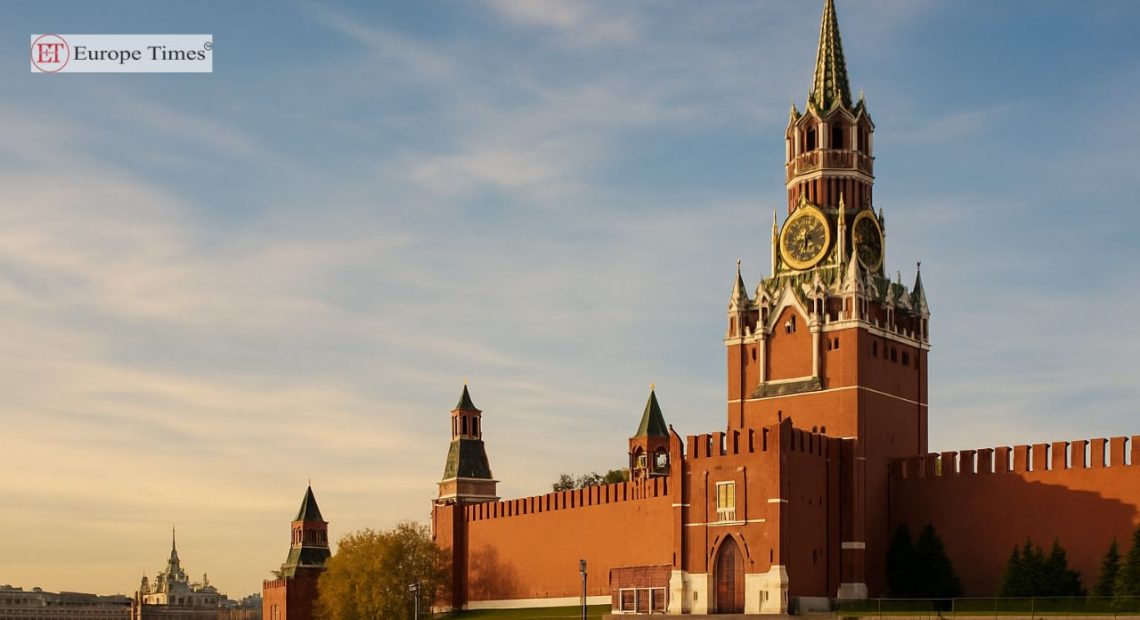
The Kremlin has dismissed European accusations that Russian President Vladimir Putin aims to restore the Soviet Union or launch an attack on NATO. Spokesman Dmitry Peskov said on Tuesday that such claims were false and disrespectful, insisting that Putin has repeatedly stated it is impossible to recreate the U.S.S.R. Putin, who once described the Soviet collapse as a major geopolitical catastrophe, has long argued this view relates to the hardship faced by Russians at the time, not a desire to rebuild the former bloc.

The remarks came after German Chancellor Friedrich Merz claimed Putin seeks to revive the “old Soviet Union” and posed a threat to NATO. Western leaders have frequently warned that a successful Russian campaign in Ukraine could embolden Moscow to target NATO member states. Putin, however, has repeatedly called the idea irrational, pointing to NATO’s military superiority.

Peskov rejected Merz’s statements as misguided and offensive, saying the allegations misrepresent Russia’s intentions. He reiterated that suggestions of Moscow preparing to attack NATO are “complete stupidity,” accusing critics of misunderstanding or deliberately twisting Russia’s official positions.

Pic courtesy: google/ images are subject to copyright

News Trending

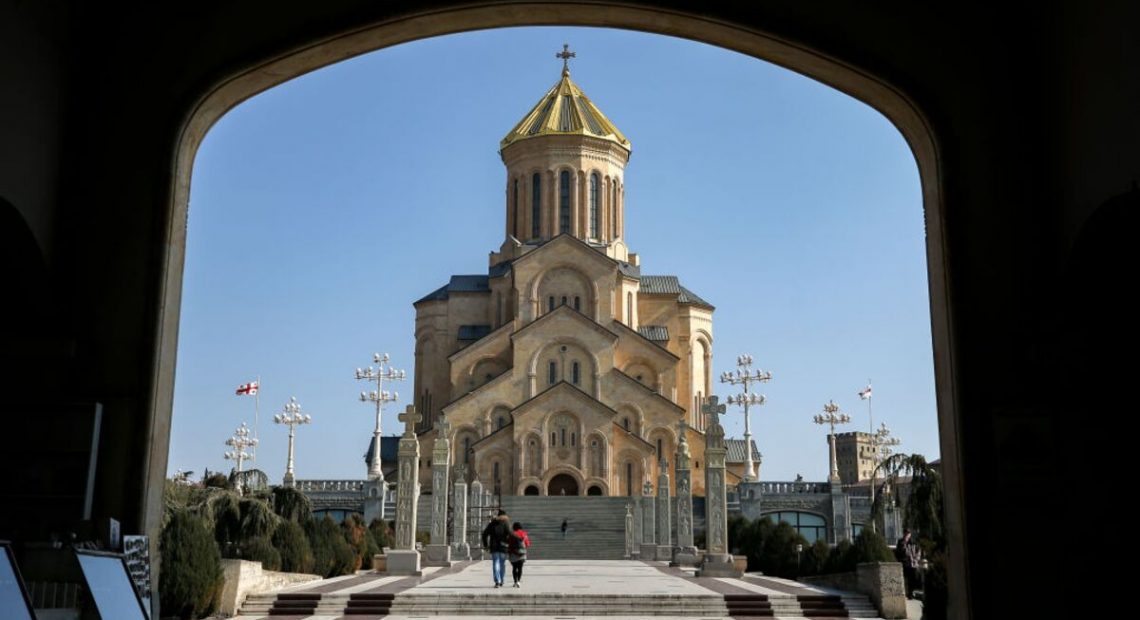
The Georgian Orthodox Church has called for changes to an icon featuring Soviet leader Joseph Stalin displayed in a Tbilisi cathedral. The icon, depicting scenes from the life of Russian saint St Matrona of Moscow, includes an image of the saint blessing Stalin. The Georgian Patriarchate expressed concerns about the historical accuracy, stating there was “insufficient evidence” that St Matrona and Stalin ever met. The Patriarchate called on the donors of the icon, claimed to be the pro-Russian political party Alliance of Patriots, to make alterations, warning that they may intervene if necessary.

The icon gained prominence after opposition figure Giorgi Kandelaki criticized its presence, accusing it of attempting to portray one of history’s “biggest mass murderers” in a positive light. The controversy escalated when an activist, Nata Peradze, sprayed paint on the icon in protest. Peradze, who claimed Stalin’s actions had affected her family personally, faced backlash, including death threats and attacks on her property.

The Patriarchate clarified its stance on the depiction of historical figures in icons, stating that it does not necessarily imply glorification. Stalin’s legacy in Georgia is complex, with some taking pride in his rise from a humble background in the country to ruling the Soviet Union and playing a crucial role in defeating Nazi Germany. However, many Georgians reject the Soviet legacy and condemn the atrocities committed during Stalin’s regime.

Picture Courtesy: Google/images are subject to copyright