featured News Trending

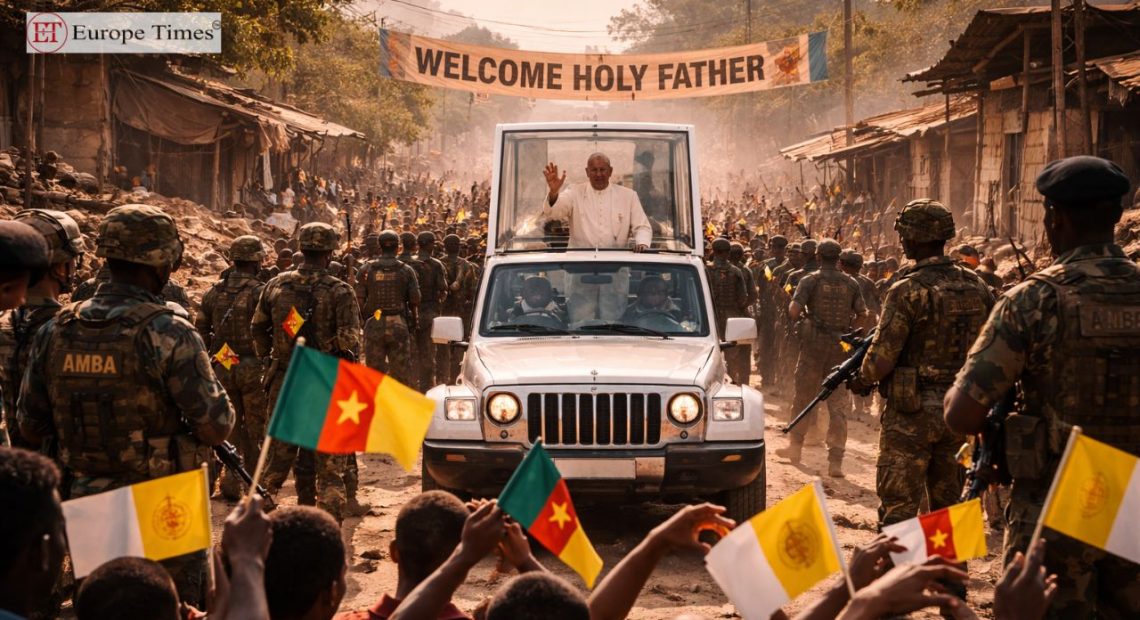
Separatist groups in Cameroon’s English-speaking regions have declared a three-day ceasefire to coincide with the visit of Pope Leo XIV, aiming to ensure safe movement for civilians and visitors. The temporary truce, described as a “safe travel passage,” will run from April 15 to April 17, covering areas controlled by separatist forces as the pope visits the region during his Africa tour.

The gesture comes amid a long-running conflict between separatist militias and government forces in western Cameroon, which has claimed thousands of lives since 2017. The alliance, including groups such as the Ambazonia Governing Council, said its fighters have been instructed to maintain security for civilians, pilgrims, and dignitaries, emphasizing the humanitarian nature of the move.

Separatist leaders framed the ceasefire as a sign of responsibility and respect for human dignity, urging all parties to honor the truce. However, past ceasefire efforts in the region have seen limited success, with not all armed factions adhering to such agreements, raising uncertainty over full compliance during the papal visit.

Pic courtesy: google/ images are subject to copyright

News Trending

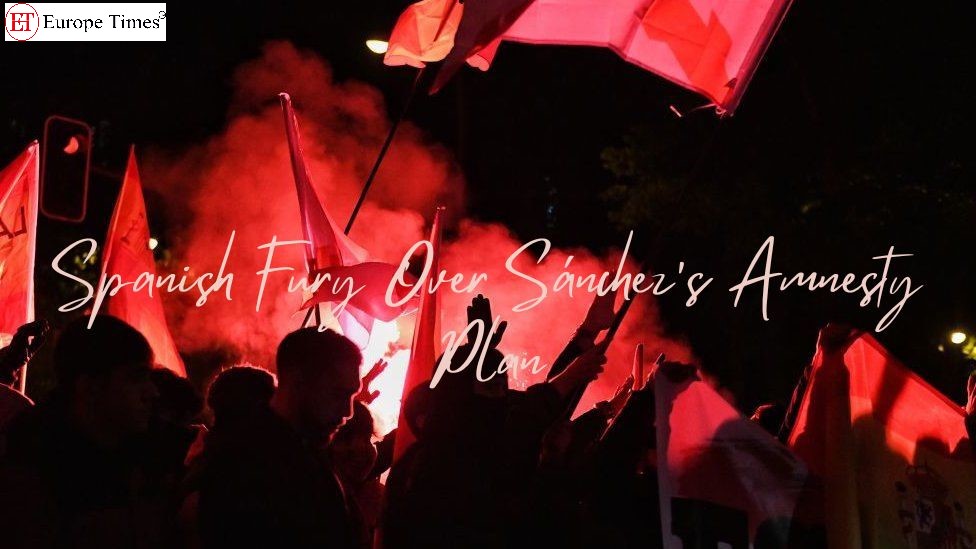
Protests led by right-wing groups against Spain’s acting Prime Minister Pedro Sánchez have escalated in violence, underscoring the tensions surrounding his push for a contentious amnesty law. Approximately 7,000 demonstrators converged outside the headquarters of Sánchez’s Socialist party in Madrid on Tuesday. The Prime Minister is striving to secure an investiture vote that would enable him to form a new government and avert a potential snap election.

To attain parliamentary support, Sánchez must enlist the backing of Catalan separatists. The demonstrations in Madrid, along with other cities, have grown increasingly aggressive, with 29 police officers and 10 protestors sustaining injuries during Tuesday night’s clashes. Sánchez took to social media to assert, “They will not break the Socialist Party.”

Following the failure of the conservative People’s Party (PP) leader Alberto Núñez Feijóo to establish a government in September, Sánchez, who came second in the July general election, is on the verge of securing adequate parliamentary support for a coalition government with the left-wing alliance Sumar.

To gain the support of Catalan parties, Sánchez has agreed to an amnesty for several hundred Catalan politicians and activists facing legal action related to the failed secession attempt in 2017. This move has faced intense criticism, with opponents accusing Sánchez of jeopardizing Spain’s unity and manipulating the amnesty for political survival.

The opposition, particularly the far-right Vox party, has vehemently opposed the amnesty, calling for continued protests and urging the police to defy ‘illegal’ orders. Despite internal support within the Socialist Party, several senior members, including former Prime Minister Felipe González, have spoken out against the initiative, emphasizing its potential to disrupt social harmony in Spain. A division has also emerged within the judiciary, reflecting the deep political polarization over the amnesty.

Picture Courtesy: Google/images are subject to copyright