featured News Trending

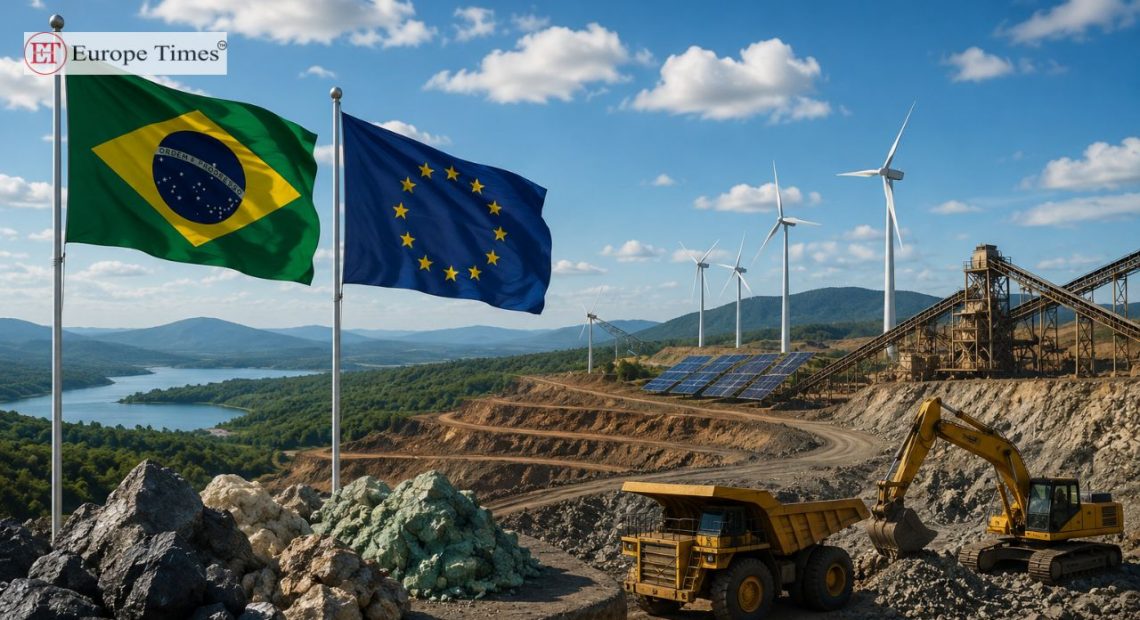
The European Union is strengthening ties with Brazil as part of its strategy to secure critical mineral supplies and reduce dependence on dominant global producers. During a visit to a rare earth processing facility in Minas Gerais, EU officials highlighted Brazil’s importance as a key partner in building more resilient and diversified supply chains.

The proposed partnership focuses on supporting local processing and refining capabilities rather than simply exporting raw materials. The EU says the collaboration will help Brazil create jobs, attract investment, access advanced technologies and move further up the value chain in the rapidly growing critical minerals sector.

The initiative comes amid intense global competition for rare earths, lithium and other minerals essential for electric vehicles, renewable energy and defence industries. Officials said discussions are progressing on new agreements and investments, with both sides aiming to strengthen long-term cooperation while promoting sustainable development and industrial growth.

Pic courtesy: google/ images are subject to copyright

featured News

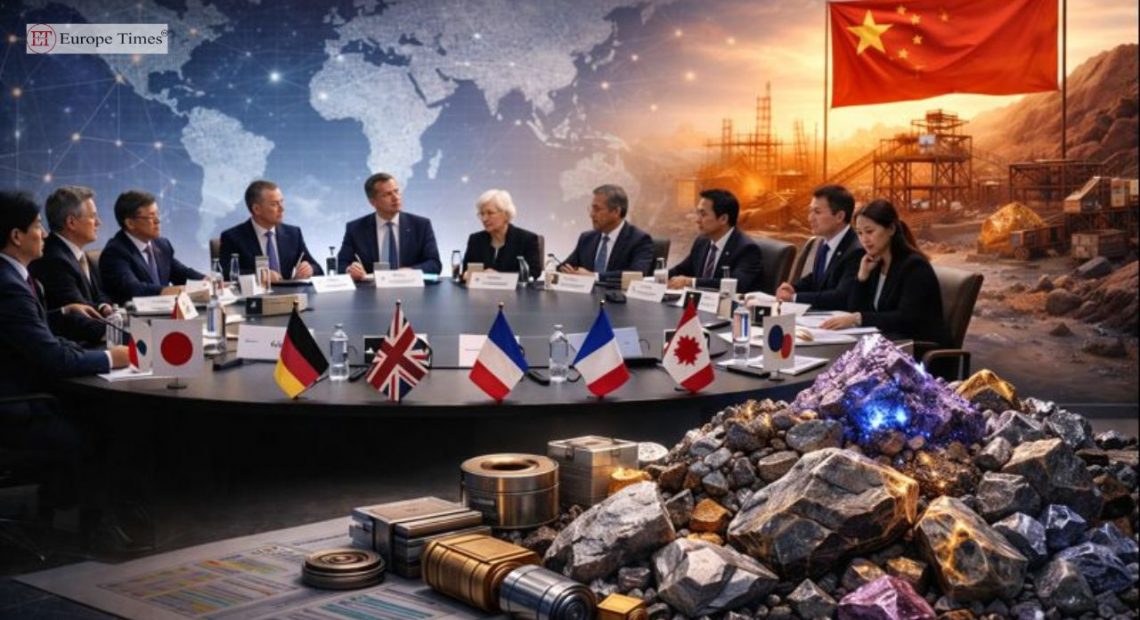
Finance ministers from the G7 countries, along with officials from Australia, Mexico, South Korea, and India, met in Washington on January 12 to discuss strategies for reducing dependence on Chinese rare earths. The meeting, convened by U.S. Treasury Secretary Scott Bessent, focused on securing alternative supply chains for critical minerals through measures such as price floors and new international partnerships. No joint statement was issued, but officials highlighted broad agreement on the urgency of diversifying sources.

Japanese Finance Minister Satsuki Katayama emphasized short-, medium-, and long-term approaches to strengthen non-Chinese rare earth supplies. Proposed measures include promoting labor and human rights standards in mineral sourcing, deploying financial incentives, trade and tariff tools, and minimum price settings. Countries participating in the discussions, along with the EU, represent 60% of global demand for critical minerals, which are vital for defense, semiconductors, renewable energy, and battery technologies.

German Finance Minister Lars Klingbeil and South Korean Finance Minister Koo Yun-cheol stressed the importance of proactive steps, including developing domestic supplies, recycling, and technology collaborations to create resilient supply chains. While participants warned against forming an anti-China coalition, they agreed on the need for urgent action to secure critical minerals and reduce vulnerability to export restrictions, particularly amid China’s recent curbs on materials destined for Japan’s military.

Pic courtesy: google/ images are subject to copyright