featured News Trending

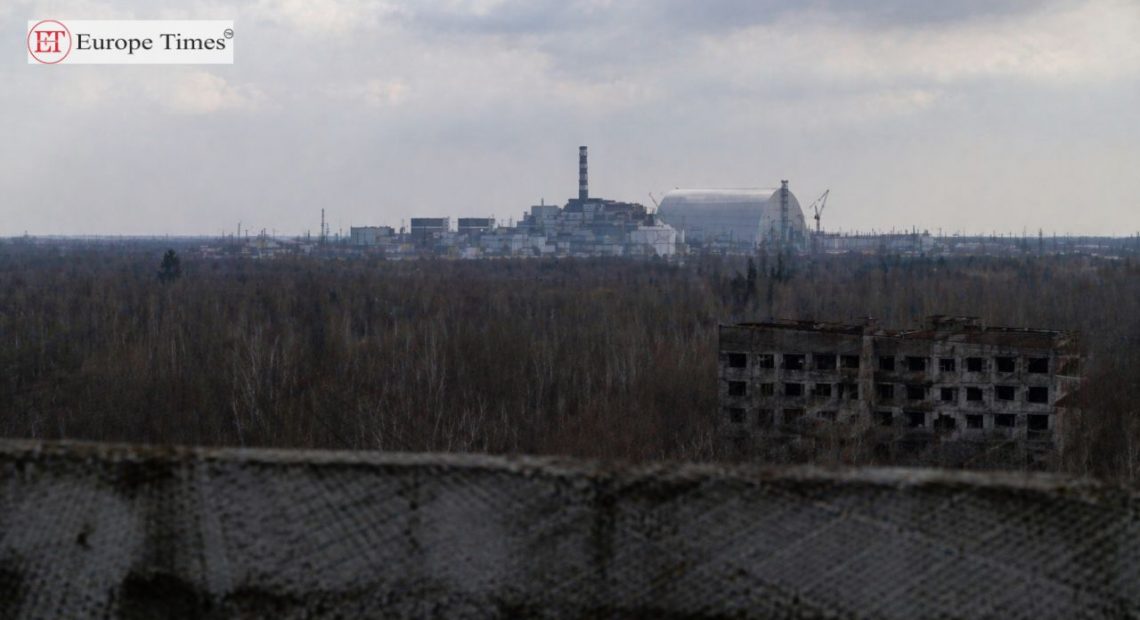
Nearly four decades after the Chernobyl disaster, Ukrainian first responder Petro Hurin says the effects of the catastrophe continue to shape his life. As one of the many “liquidators” tasked with cleaning up the aftermath of the explosion at reactor four, he recalls the intense exposure to radiation and the long-term toll it has taken on his health. Of the 40 workers sent from his company to assist in the cleanup, only five are still alive today, highlighting the enduring human cost of the disaster.

Hurin described the harsh working conditions inside the contaminated zone, where he operated heavy machinery for long hours, handling materials used to contain radiation. Within days, he began experiencing severe symptoms including headaches, chest pain, and internal bleeding. Despite these signs, Soviet authorities at the time avoided diagnosing radiation sickness, instead attributing the symptoms to other conditions. Over the years, Hurin has battled multiple health issues, including anaemia and heart problems, which he links to his exposure during the cleanup.

Now living in central Ukraine, Hurin continues to cope with ongoing medical challenges while seeking recognition and support as a disaster responder. Beyond his personal struggles, he also carries the emotional weight of losing his grandson in the ongoing conflict following Russian invasion of Ukraine. Despite everything, he reflects on his decision to serve at Chornobyl with a sense of duty, believing his efforts contributed, however modestly, to containing one of history’s worst nuclear crises.

Pic courtesy: google/ images are subject to copyright

News Trending

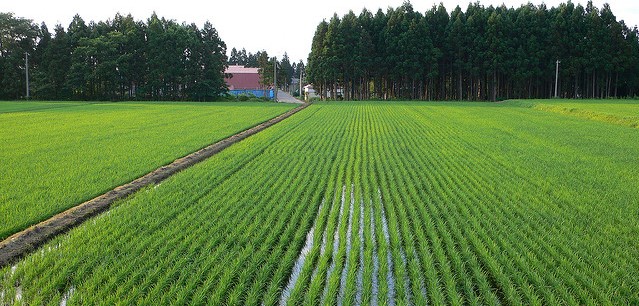
A government spokesperson in Japan has expressed the country’s welcome to the European Union (EU) potentially lifting restrictions on food imports that were imposed after the 2011 nuclear accident caused by an earthquake and tsunami. According to a report in the Nikkei newspaper, the EU is in the final stages of removing all restrictions on Japanese food, although the sources for this information were not disclosed.

The bans on food imports have been in effect since the Fukushima Dai-ichi nuclear plant was damaged by the earthquake and tsunami, resulting in multiple meltdowns. The spokesperson, Mr Hirokazu Matsuno, stated during a Tokyo press conference that the Japanese government appreciates the positive steps toward lifting the restrictions. It is hoped that easing the restrictions will contribute to the reconstruction efforts in the areas devastated by the nuclear disaster.

The 2011 earthquake and tsunami tragically claimed the lives of nearly 20,000 people along Japan’s Pacific coast. The meltdowns at the Fukushima nuclear plant led to the evacuation of tens of thousands of residents.

This news about the potential lifting of restrictions comes just before the visit of Rafael Mariano Grossi, the chief of the International Atomic Energy Agency (IAEA), to Japan. During his visit, Grossi will present the findings of the IAEA’s safety review regarding Japan’s plan to release water from the Fukushima nuclear power plant into the ocean. The Japanese government intends to release 1.3 million metric tons of water that has been exposed to radiation inside the damaged power plant after removing most of its radioactive elements.

The water to be released contains traces of tritium, an isotope that is difficult to remove from water and has primarily been used to cool the damaged reactors. The IAEA plans to establish an office at the Fukushima plant during Grossi’s visit, indicating its ongoing involvement and oversight of the situation.

Picture Courtesy: Google/images are subject to copyright