
featured News Trending

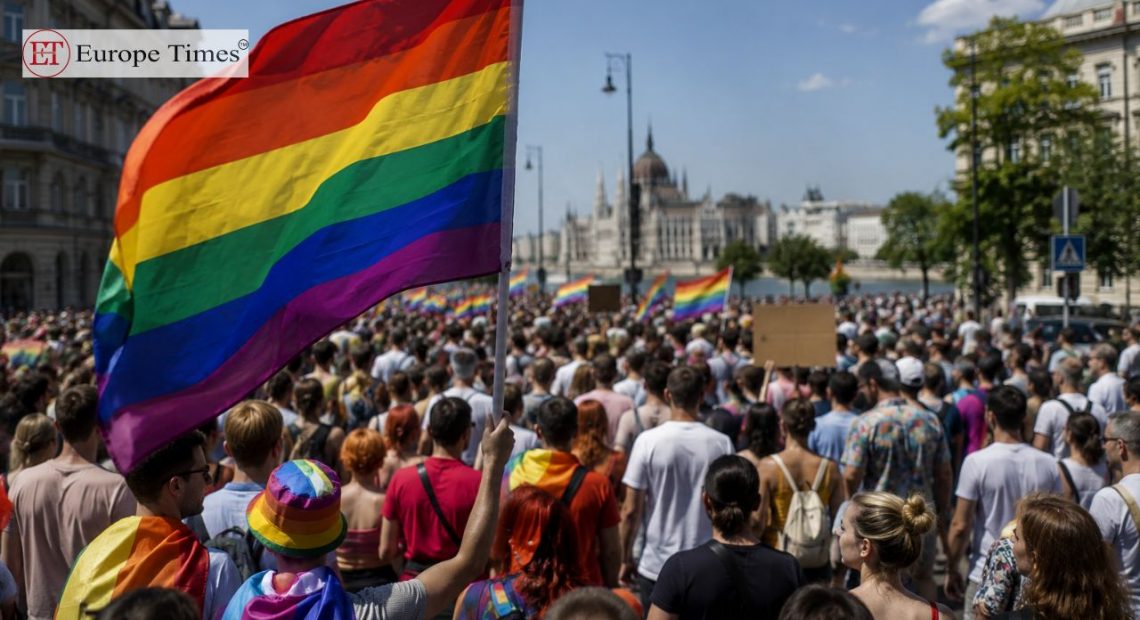
Hungary’s LGBTQ+ community is preparing for its annual Pride march in Budapest, with activists calling for the restoration of rights that were curtailed during the 16-year rule of former Prime Minister Viktor Orbán. Last year’s Pride event evolved into a major anti-government demonstration after authorities attempted to ban it, drawing tens of thousands of participants.
This year’s march has been officially authorized following the election victory of Prime Minister Peter Magyar’s centre-right Tisza party. While organisers welcomed the lifting of restrictions, they stressed that significant work remains to reverse policies introduced under the previous government, including limits on gender recognition, same-sex adoption and LGBTQ+-related educational materials.

Activists say the impact of those measures continues to affect the community. Many are urging the new government to address past legislation and strengthen protections for LGBTQ+ individuals. Although Magyar has called for patience regarding legal reforms, he has publicly criticised attempts to restrict public assembly and argued that the state should not interfere in citizens’ private lives.

Pic courtesy: google/ images are subject to copyright

featured News

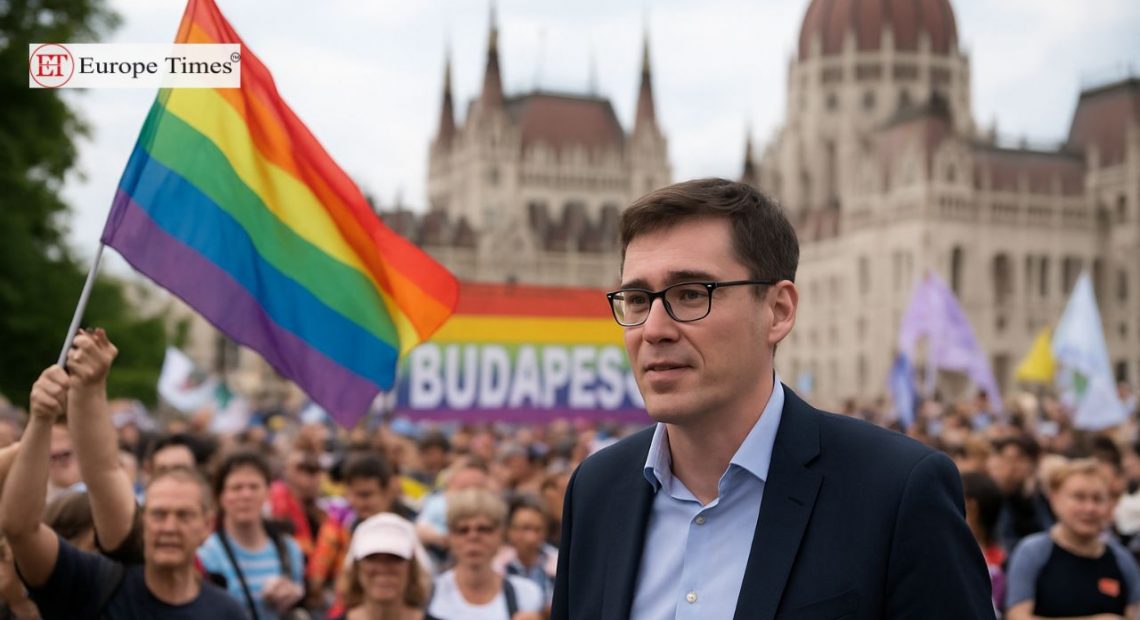
Hungarian police have recommended that prosecutors file charges against Budapest’s liberal mayor, Gergely Karacsony, for his role in organising an LGBTQ+ rights march in June that evolved into a large anti-government demonstration. The June 28 march, originally planned as a Pride event despite a government ban, drew tens of thousands of people and became one of the biggest displays of opposition to Prime Minister Viktor Orban’s nationalist government. The Budapest Chief Prosecution Office confirmed it has received the police investigation documents but did not comment on whether charges will follow.

Karacsony, responding in a video message, said he was proud to defend the freedom of Budapest and was ready to face any legal consequences. He framed the event as an act of political courage aimed at safeguarding democratic rights in the capital. His attempt to classify the march as a municipal event—arguing it did not require a permit—was intended to bypass a new law passed in March that allowed the government to ban Pride marches under the banner of child protection.

Human rights advocates and opposition figures have criticised the Pride ban as part of a broader erosion of civil liberties under Orban, who faces a challenging election next year. Although police initially banned the event, citing the child protection law, the march proceeded peacefully and highlighted growing public resistance to government policies affecting the LGBTQ+ community and democratic freedoms.

Pic courtesy: google/ images are subject to copyright