featured News Trending

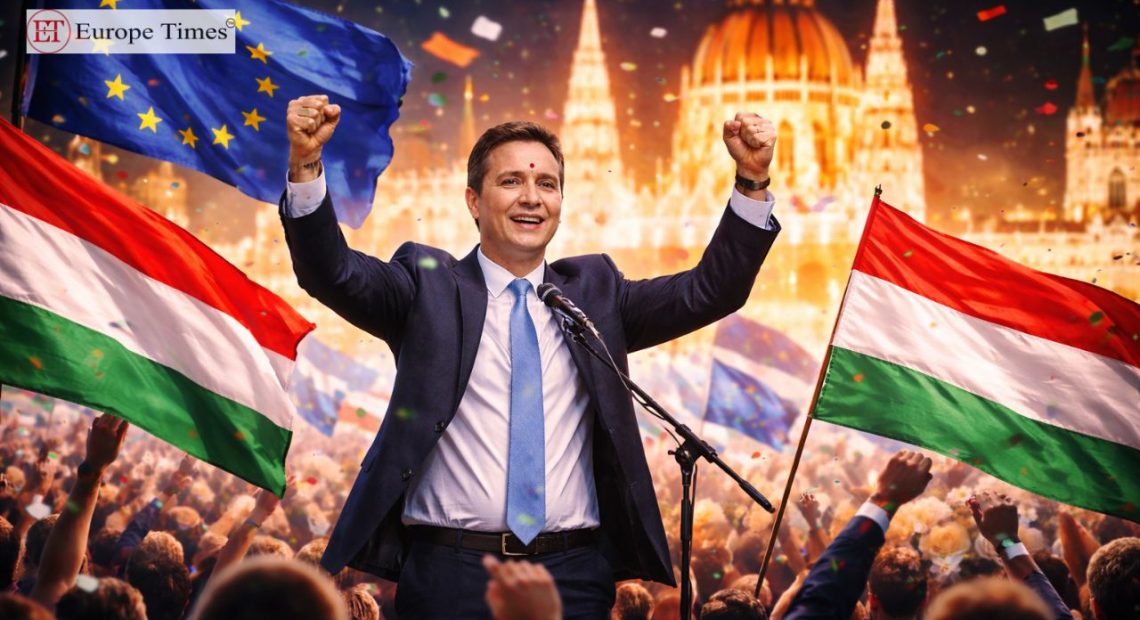
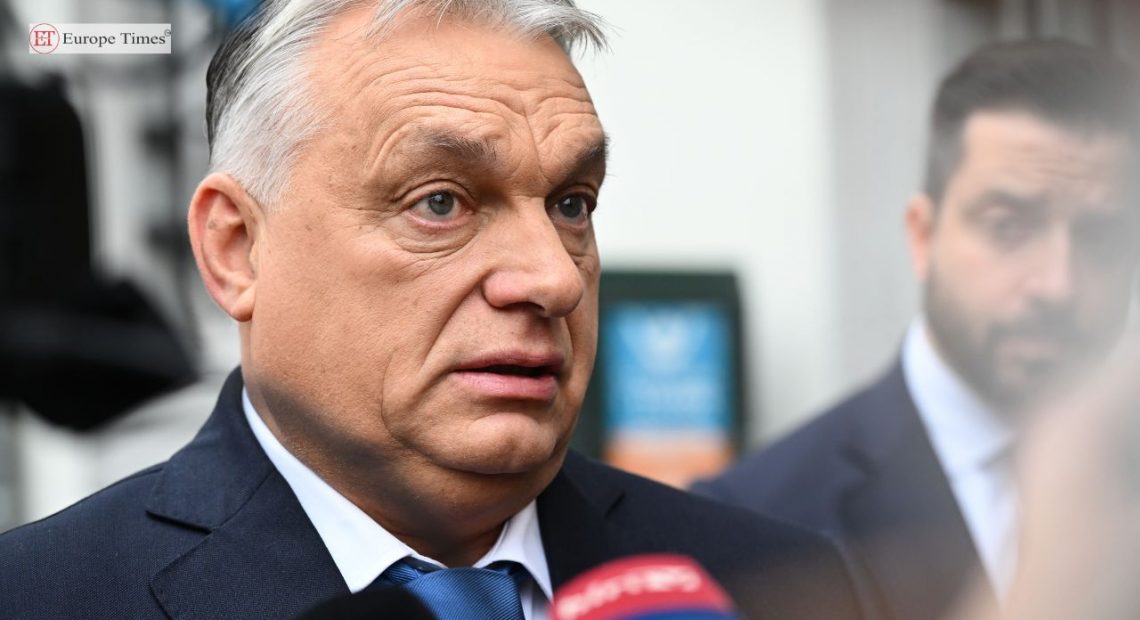
Peter Magyar secured a sweeping victory in Hungary’s parliamentary election, handing his Tisza party a powerful two-thirds majority. The result gives the new government broad authority to push reforms, strengthen the rule of law, and potentially unlock billions in frozen European Union funds. Analysts say the outcome, once seen as unlikely, is the most market-friendly scenario and could boost investor confidence.

The win marks a major shift after years of tensions under former Prime Minister Viktor Orban, whose government frequently clashed with the EU. Magyar has pledged to rebuild ties with Brussels and position Hungary as a strong ally within both the EU and NATO. He also promised constitutional changes to restore checks and balances and tackle corruption, aiming to reverse what critics described as institutional control under the previous administration.

While markets have reacted positively, uncertainty remains over how quickly Hungary can access EU funding. Diplomats and analysts caution that the government must first deliver concrete reforms before funds are released. Despite comparisons with Poland’s recent experience, experts say Hungary may face stricter conditions, making the pace of economic recovery dependent on the government’s ability to follow through on its promises.

Pic courtesy: google/ images are subject to copyright

featured News Trending

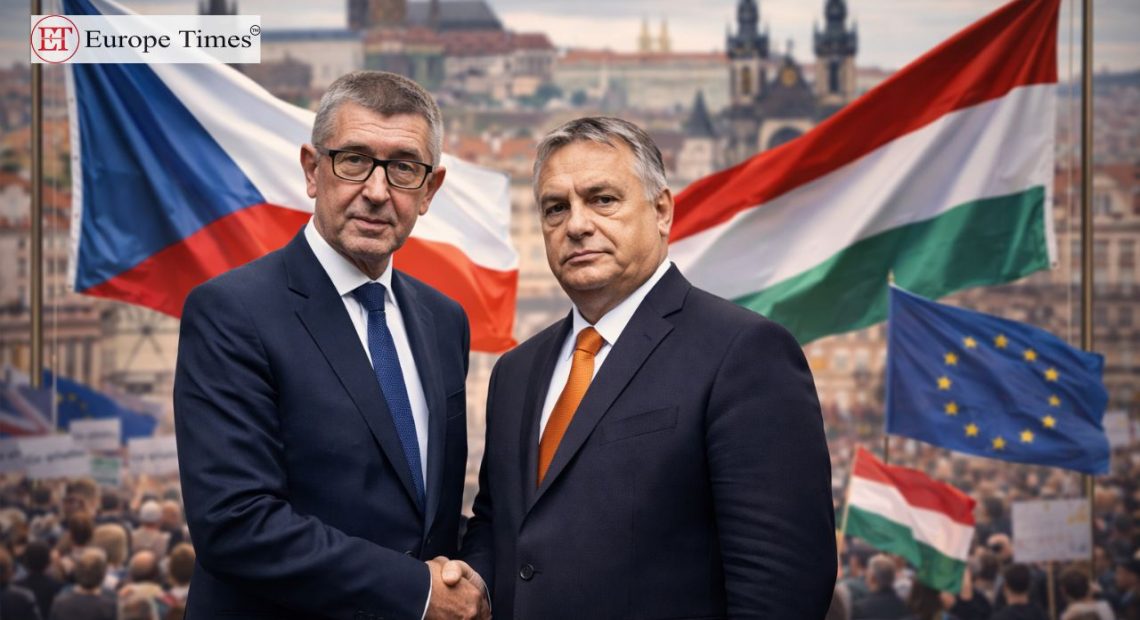
Andrej Babiš has voiced strong support for Viktor Orbán ahead of Hungary’s parliamentary election, calling him the best choice for stability and national interests during uncertain times. Babiš praised Orbán’s stance on sovereignty and competitiveness, emphasizing the importance of experienced leadership amid ongoing geopolitical tensions.

Opinion polls suggest Orbán, who has led Hungary for over 16 years, faces a serious challenge from opposition leader Péter Magyar. Orbán’s tenure has been marked by frequent clashes with the European Union and relatively closer ties with Russia, making the upcoming election a significant political moment for the region.

Since returning to power, Babiš has aligned more closely with Orbán in European politics, including within their shared parliamentary grouping. His government has reduced support for Ukraine and taken positions that diverge from broader EU policies, while proposing reforms critics say could mirror Hungary’s approach to governance. Despite this, the Czech Republic continues to maintain a comparatively moderate stance on Russia.

Pic courtesy: google/ images are subject to copyright

featured News Trending

Hungary’s nationalist Prime Minister Viktor Orban will face his strongest electoral challenge in 16 years when the country holds parliamentary elections on April 12. The vote is being closely watched across Europe, as Orban has been a key figure among far-right leaders and maintains close ties with U.S. President Donald Trump and Russia despite the Ukraine war.

Orban, who has ruled since 2010, has reshaped Hungary into what he calls an “illiberal democracy,” often clashing with the European Union over media freedom, migration and LGBTQ rights. His Fidesz party is campaigning on stability and security, promising to keep Hungary out of the Ukraine conflict and stop illegal migration, while also trying to revive an economy hit by high inflation and a cost-of-living crisis.

Challenging him is Peter Magyar, a former government insider whose Tisza party has surged since entering politics in 2024. Recent polls show Magyar ahead among decided voters, as he campaigns on fighting corruption, restoring EU ties and unlocking frozen European funds to boost the economy. With many voters still undecided, the election outcome remains uncertain and could reshape Hungary’s role in Europe.

Pic courtesy: google/ images are subject to copyright