
featured News Trending

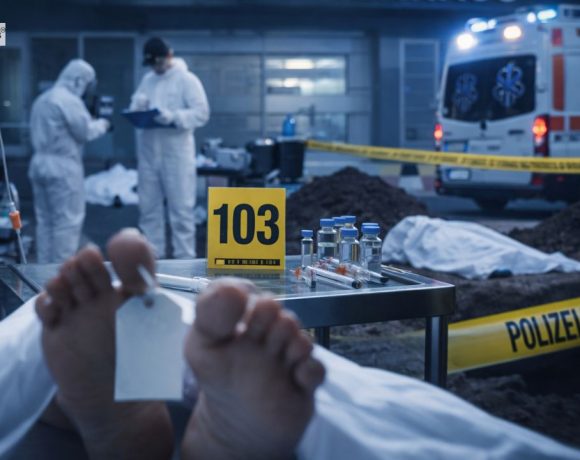
A former palliative care nurse in western Germany, already serving a life sentence for murdering 10 patients, may be linked to more than 100 additional suspicious deaths, prosecutors have said. The chief public prosecutor in Aachen confirmed that a large number of cases are under review, stressing that they remain preliminary and may be dismissed after forensic analysis.

The unnamed nurse was convicted last year of administering excessive doses of sedatives and painkillers to seriously ill patients during night shifts at a hospital in Würselen between December 2023 and May 2024. The court ruled that the drugs were given without medical justification and that the nurse was aware of their potentially fatal consequences, describing his actions as an attempt to impose control during night shifts.

Investigators have ordered around 60 exhumations as part of the expanded probe, with dozens already completed and more pending, while prosecutors in Cologne are also examining deaths at hospitals where the nurse previously worked. Officials said autopsy results will determine whether new charges are filed, though any further legal proceedings are unlikely to begin before 2027. The case echoes Germany’s deadliest healthcare serial killer case involving former nurse Niels Högel.

Pic courtesy: google/ images are subject to copyright
featured News

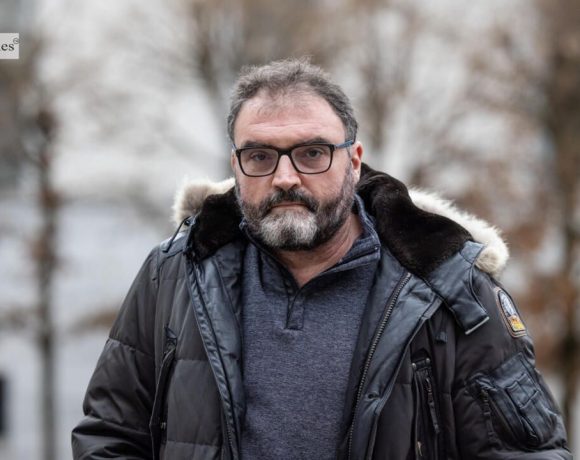
A French court has sentenced former anaesthetist Frédéric Péchier, 53, to life imprisonment for deliberately poisoning 30 patients, 12 of whom died. The verdict was delivered at the end of a four-month trial in Besançon, marking one of the most serious medical crime cases in France’s history. Péchier will serve a minimum of 22 years in prison and has 10 days to appeal the ruling.

The court found that Péchier secretly injected substances such as potassium chloride or adrenaline into patients’ infusion bags, triggering cardiac arrests or severe haemorrhaging during routine surgeries. In several cases, he intervened during emergencies to present himself as a lifesaver, but in 12 instances the victims could not be saved. Prosecutors argued that his actions were driven by personal grudges against colleagues, whom he sought to discredit.

Investigators uncovered a disturbing pattern of unexplained medical emergencies at clinics where Péchier worked between 2008 and 2017, with incidents stopping whenever he left and resuming upon his return. Despite denying wrongdoing throughout the trial, Péchier admitted there must have been a poisoner at the clinics, insisting it was not him. Survivors and families of victims welcomed the verdict, calling it the end of a long and painful ordeal.

Pic courtesy: google/ images are subject to copyright