
featured News Trending

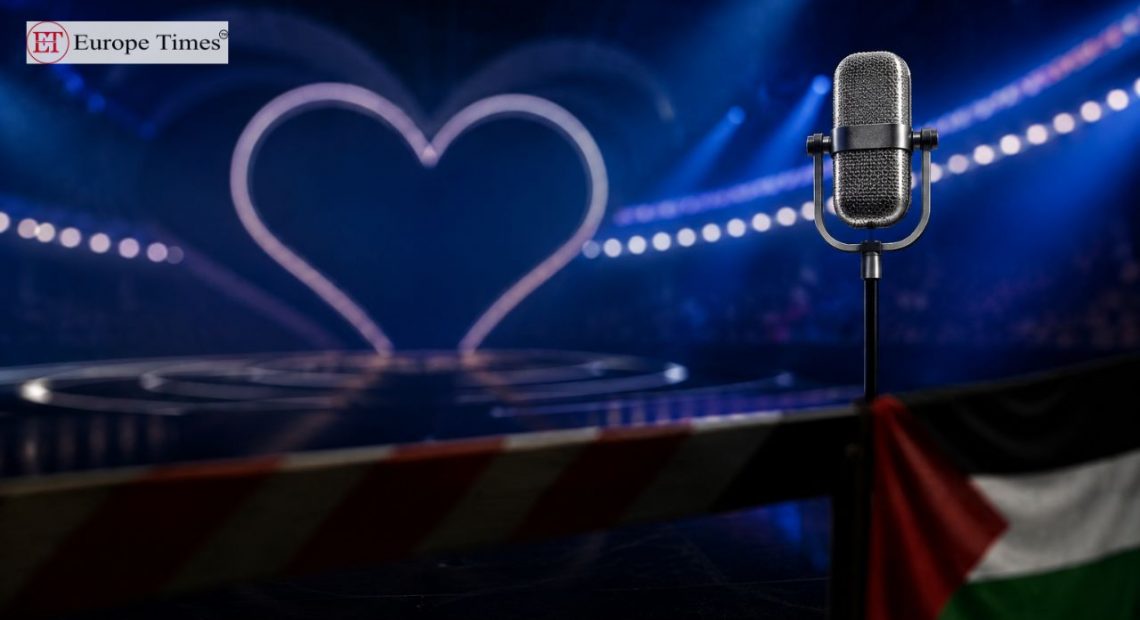
Several European broadcasters are refusing to air the 2026 Eurovision final in protest against Israel’s participation amid the ongoing Gaza conflict. Broadcasters in Ireland, Spain, Slovenia, the Netherlands, and Iceland have either withdrawn from the contest or introduced alternative programming ranging from comedy shows and music specials to documentaries focused on Gaza and Palestine.
In Ireland, national broadcaster RTE will air a famous episode of the sitcom Father Ted instead of the live final, while Spain’s TVE has planned a special music programme featuring artists like Raphael and former Eurovision contestant Chanel. Slovenia’s RTV announced it would broadcast a documentary series titled Voices of Palestine, highlighting stories from Gaza during the same time slot.

Despite the growing boycott movement, some countries like Iceland and the Netherlands will still broadcast Eurovision, arguing that the contest remains popular with viewers. Meanwhile, protests against Israel’s inclusion continue across Europe, with Belgian broadcasters reporting a major drop in Eurovision viewership compared to last year as criticism surrounding the event intensifies.

Pic courtesy: google/ images are subject to copyright

News Trending

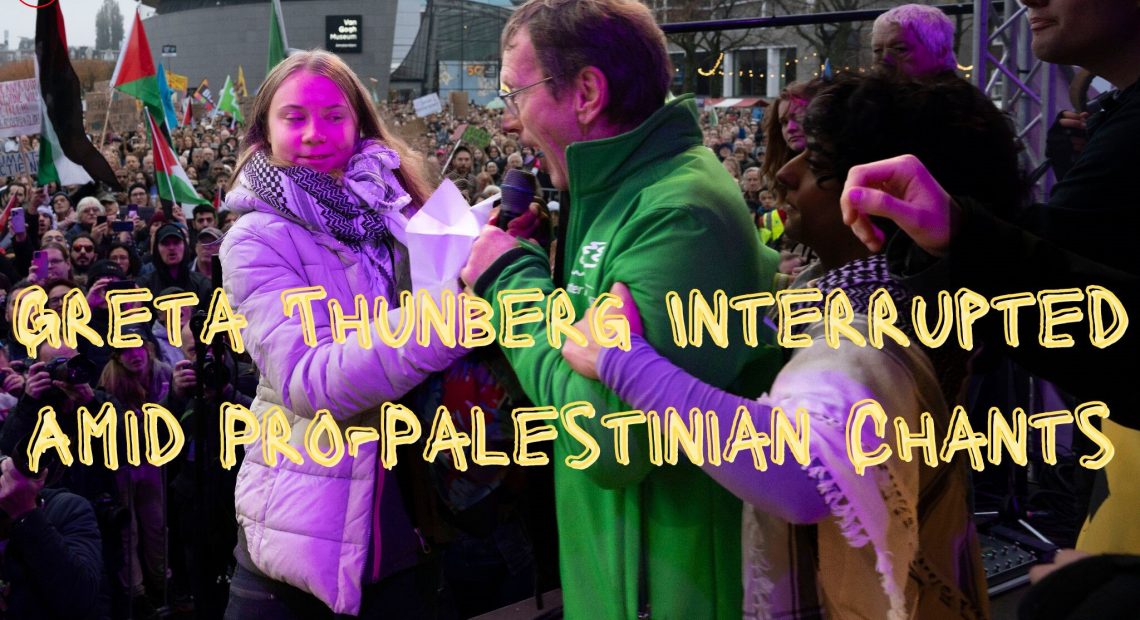
The disruption of Greta Thunberg’s speech at the climate protest in Amsterdam highlighted the intersection of climate activism and political tensions. The man’s attempt to wrestle the microphone away underscored the challenges of maintaining a focused message in the midst of broader geopolitical issues.

Chants advocating for Palestine were a backdrop to the incident, emphasizing the diverse perspectives within the protest crowd. Earlier, the curtailment of another activist’s speech demonstrated the sensitivity surrounding expressions related to the Israeli-Palestinian conflict. The phrase “From the river to the sea, Palestine will be free” has been contentious, with varying interpretations. While some view it as a call for the end of Israel’s occupation, others see it as a threat to Israel’s existence.

In the aftermath of the interruption, Greta Thunberg and the assembled crowd united in chanting “no climate justice on occupied land,” blending environmental concerns with geopolitical awareness. The incident reflected the challenge of navigating a global movement, where diverse voices and perspectives converge.

Thunberg’s previous social media posts supporting Palestine had stirred controversy, illustrating the complexities of balancing different issues within the broader context of activism. Accusations of not adequately acknowledging the plight of Israeli victims of Hamas attacks added another layer to the ongoing debate over the role of prominent figures in addressing complex political conflicts.

Ultimately, the Amsterdam event highlighted the intricate dance between climate activism and political advocacy, emphasizing the need for thoughtful navigation of these intersections to maintain a cohesive and impactful movement.

Picture Courtesy: Google/images are subject to copyright