
featured News Trending

Norway plans to introduce legislation banning children under the age of 16 from using social media, with a bill expected to be presented in parliament by the end of the year. The proposal would place responsibility on technology companies to enforce strict age verification measures, marking a significant step in regulating youth access to digital platforms.

Prime Minister Jonas Gahr Støre said the move aims to protect childhood from excessive screen exposure and algorithm-driven content. The government emphasized the importance of preserving traditional aspects of growing up, such as play, friendships, and real-world interactions, rather than allowing them to be dominated by digital environments.

The initiative follows similar actions by other countries, including Australia, which recently introduced a comparable ban. Major tech firms like Meta Platforms, Alphabet Inc., and Snap Inc. could be affected, though Norway has not specified which platforms will be targeted. The proposal reflects growing global concern over children’s online safety and the impact of social media on young users.

Pic courtesy: google/ images are subject to copyright

featured News Trending

France’s National Assembly has approved legislation to ban children under the age of 15 from accessing social media platforms, citing rising concerns over online bullying, mental health risks and youth violence. Lawmakers voted 116 to 23 in favour of the bill, which would also restrict social-networking features embedded within wider digital platforms. The proposal now heads to the Senate before returning to the lower house for a final vote.

President Emmanuel Macron has strongly backed the move, urging France to follow Australia’s lead after it introduced a world-first ban on social media access for under-16s in December. Macron wants the French ban to take effect by the start of the next academic year in September. Supporters of the bill argue that social media is harming children’s well-being, with lawmakers warning it is reducing sleep, reading habits and self-esteem among young users.

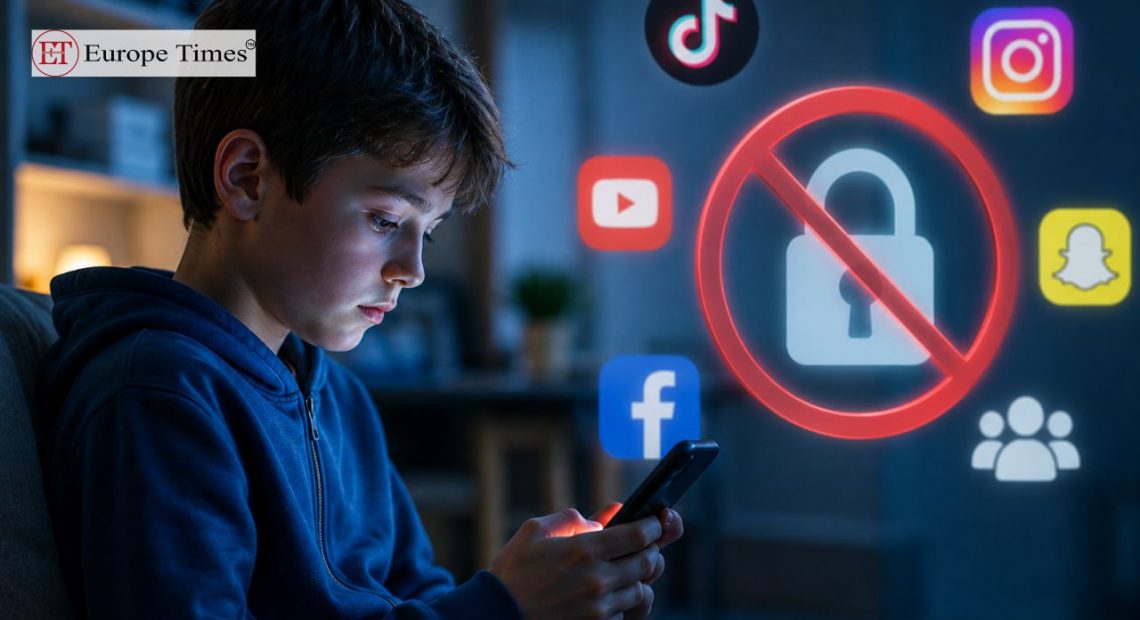
If enacted, the law would require platforms such as Instagram, TikTok, YouTube and Snapchat to enforce age restrictions using verification systems compliant with EU regulations. While enforcement remains a challenge, public backing in France is strong, with a 2024 survey showing nearly three-quarters of respondents support the ban. The legislation would also extend France’s existing smartphone ban in schools to include high schools, as debate continues across Europe on setting minimum ages for social media use.

Pic courtesy: google/ images are subject to copyright