featured News Trending

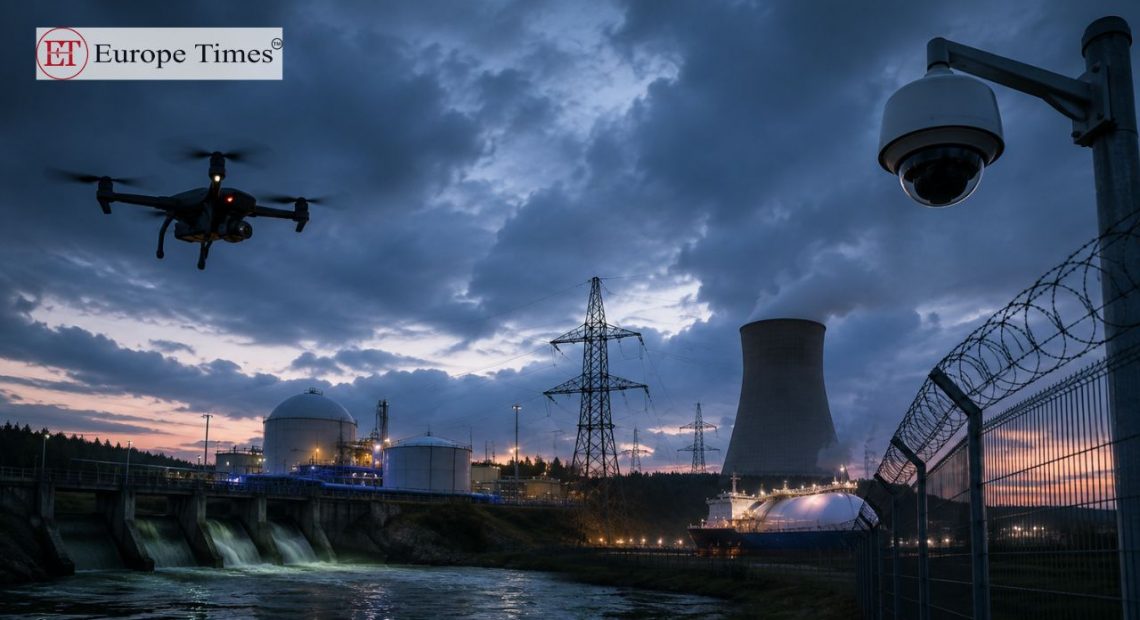
Poland and the Baltic states are strengthening security around critical infrastructure amid concerns that Russia could stage a false-flag attack using Ukrainian-made drones. Lithuania, Latvia, Estonia and Poland have increased protection around power plants, gas facilities, dams and other strategic sites, as officials warn of potential sabotage aimed at testing NATO’s response.

Lithuania has deployed military personnel to help protect key energy facilities, including its liquefied natural gas terminal, oil products terminal, a major power link with Poland and the Kruonis pumped-storage plant. Latvia has also stepped up security around critical infrastructure, including a major dam near Riga and an underground gas storage facility. Poland is reviewing alternative gas supply routes and increasing protection around energy infrastructure and its planned first nuclear power plant.

Regional officials said intelligence assessments have raised concerns that a potential attack could create political confusion within NATO over how to respond. Russia has rejected the allegations, describing warnings of secret Russian attacks as “scare stories” and accusing Western countries of making claims without evidence. Officials across the region say they are maintaining heightened vigilance as tensions with Moscow remain high.

featured News Trending

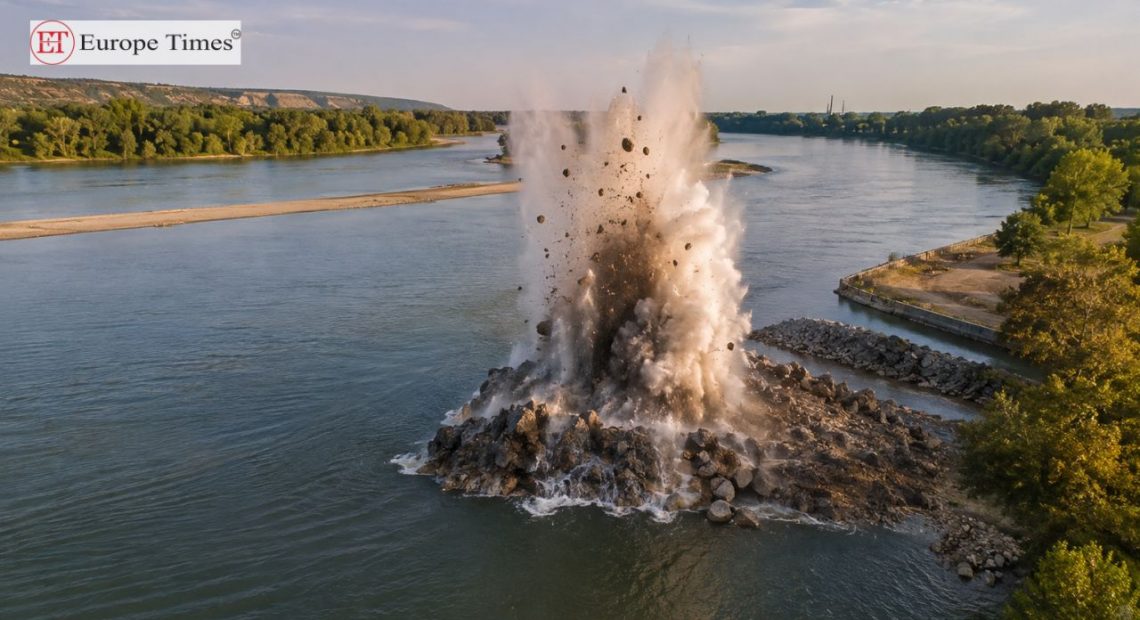
Romania carried out controlled explosions to remove rocks from the Danube River and redirect water to the Cernavoda nuclear power plant, as severe drought and record-low river levels threatened reactor cooling. The emergency measure highlights the growing impact of Europe’s ongoing heatwave and energy challenges.

The operation aims to ensure adequate cooling water reaches the country’s only operating nuclear reactor after another reactor was shut down due to falling river levels. Authorities also plan to build a temporary dam to improve water flow, while urging households and businesses to reduce electricity consumption.

The drought has also affected neighboring Hungary, where the Paks nuclear plant is operating at reduced capacity because of the Danube’s low water levels. Governments across the region are taking emergency steps to protect power supplies as extreme weather continues to strain Europe’s energy infrastructure.

Pic courtesy: google/ images are subject to copyright

featured News Trending

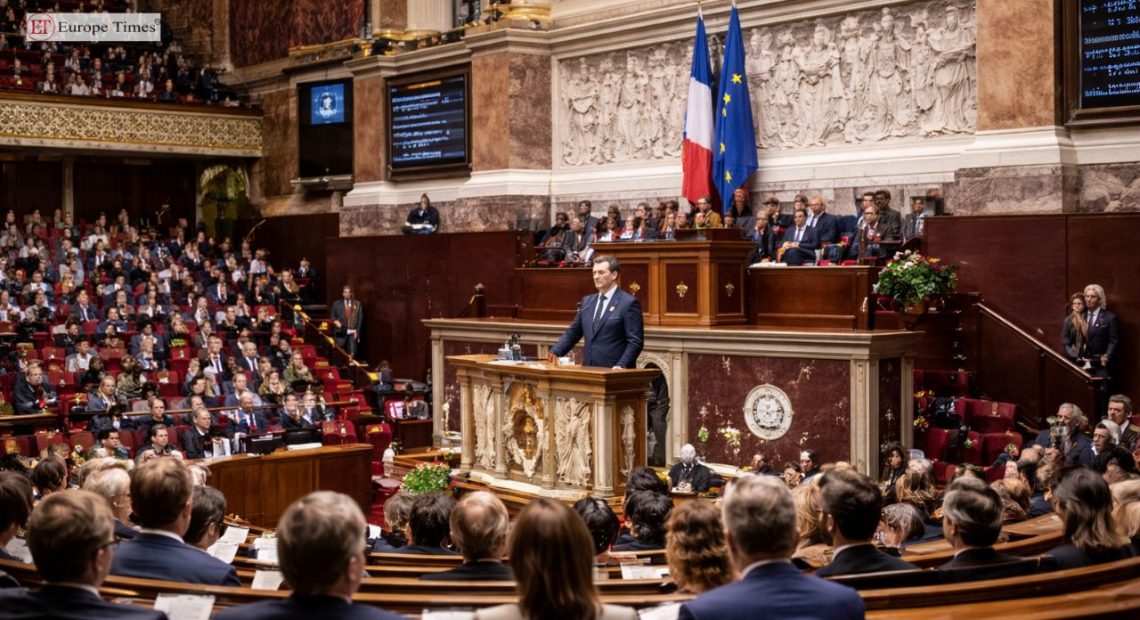
The French government has survived two no-confidence motions in the National Assembly after pushing through a new energy law by decree earlier this month. The motions were filed by the far-right National Rally (RN) and the hard-left La France Insoumise (LFI), but neither secured the 289 votes required to topple the government. The RN-backed motion received 140 votes, while the LFI motion gathered 108, allowing Prime Minister Sebastien Lecornu to remain in office.

The outcome offers temporary relief to Lecornu’s minority administration, which has faced repeated challenges since taking power. Earlier this year, the government also survived two no-confidence votes linked to the passage of a delayed budget. However, political uncertainty persists in France, with President Emmanuel Macron experiencing low approval ratings as he approaches the end of his second term.

The contested energy law outlines a revised national strategy that scales back renewable energy targets and eases operational pressure on state-owned utility Electricite de France (EDF), including reversing a previous mandate to shut down 14 nuclear reactors. The measure sparked intense debate between lawmakers advocating continued renewable subsidies and those favouring investment in nuclear power, amid concerns over the country’s high debt and long-term energy security.

Pic courtesy: google/ images are subject to copyright

featured News

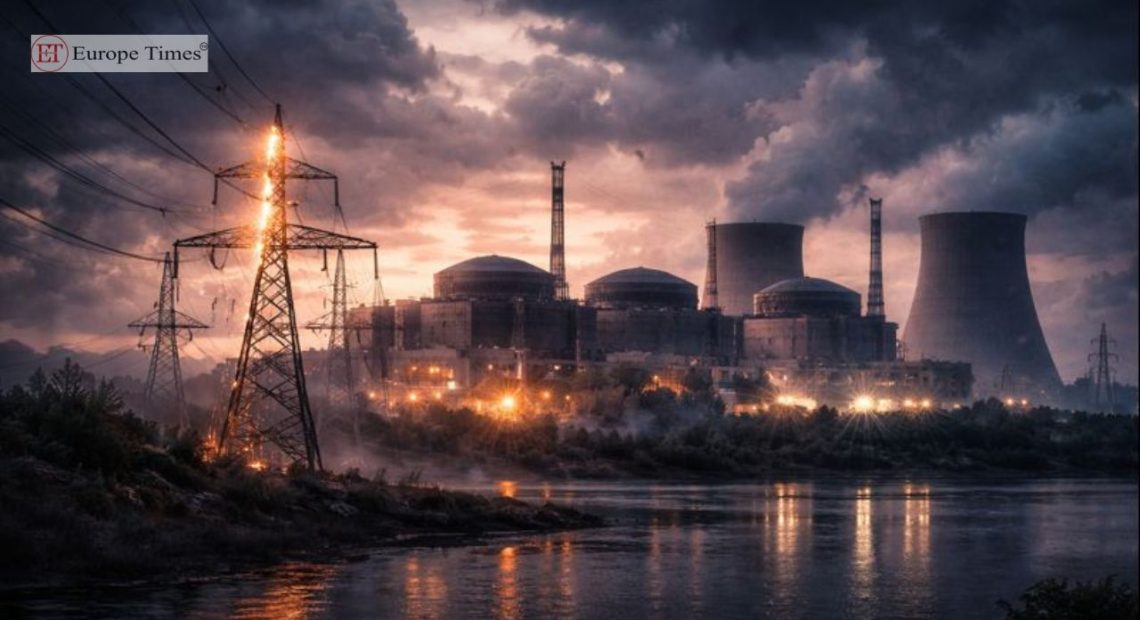
The Russian-controlled Zaporizhzhia nuclear power plant in Ukraine is currently running on only one of its two external power lines, Russian management reported on Tuesday. The second line was disconnected due to ongoing military activity, though officials confirmed that radiation levels remain normal. Repair work is planned to restore full power as soon as possible.

Europe’s largest nuclear facility, under Russian control since March 2022, is not generating electricity but depends on external power to keep nuclear material cooled and prevent a meltdown. The plant has experienced multiple power outages recently, including earlier this month, though connections were restored after each incident.

Both Russia and Ukraine have accused each other of shelling the site, raising concerns over safety. In September and October, the plant was without external power for 30 days, relying on backup diesel generators until a damaged line was repaired during a temporary local ceasefire coordinated with the U.N. nuclear agency.

Pic courtesy: google/ images are subject to copyright

News Trending

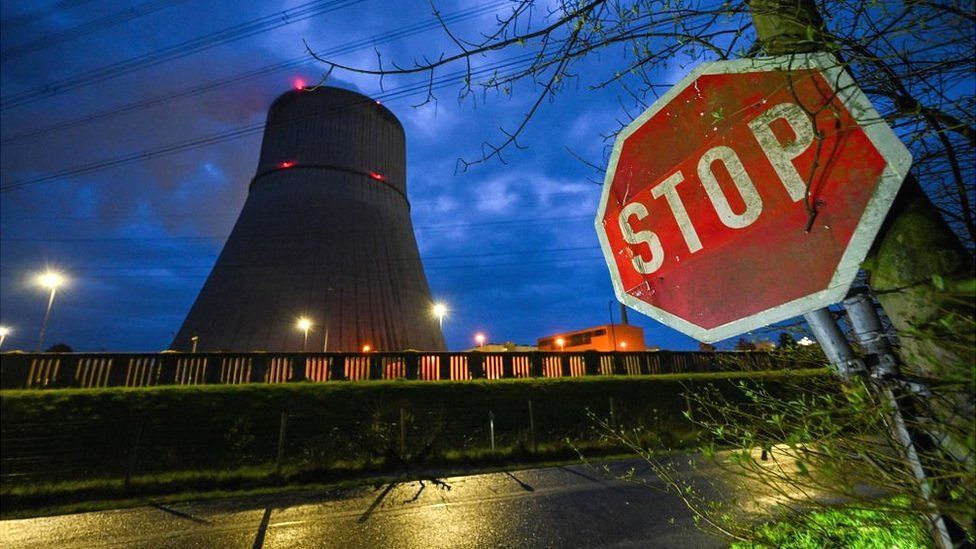
On Saturday, anti-atomic activists celebrated a 60-year victory on one side of Berlin’s Brandenburg Gate, while protests took place on the other side against the closure of Germany’s three remaining nuclear power stations. Germany’s ideological divide on nuclear energy is emotionally charged, and both sides accuse each other of irrational ideology.

Conservative politicians and commentators argue that Germany’s decision to scrap domestic nuclear power is a result of Green Party dogma, and that this move increases reliance on fossil fuels and raises energy prices, while nuclear energy has lower emissions. This issue is particularly contentious as war in Europe looms large.

The Green Party and left-wingers argue that it doesn’t make sense to stick to nuclear power, which is more expensive than renewable sources like wind and solar. The German government believes that keeping the three aging nuclear power stations running would require significant investment, which would be better spent on renewable energy sources. Green Party MPs are skeptical of the Christian Democratic Union’s (CDU) sudden support for climate protection, given that the party has traditionally obstructed measures to expand renewable energy infrastructure.

Ironically, it was a conservative-led government under Angela Merkel that decided to phase out nuclear power after the Fukushima disaster in 2011, a decision that was popular with voters due to widespread anti-nuclear sentiment. Some people suggest that Merkel’s decision was influenced by upcoming regional elections at the time.

Germany currently generates 44% of its electricity from renewables, and only 6% from nuclear power, according to the Federal Statistical Office. The country’s Green economy minister, Robert Habeck, predicts that 80% of Germany’s electricity will come from renewable sources by 2030, and has implemented laws to streamline the construction of wind and solar farms.

Picture Courtesy: Google/images are subject to copyright