featured News Trending

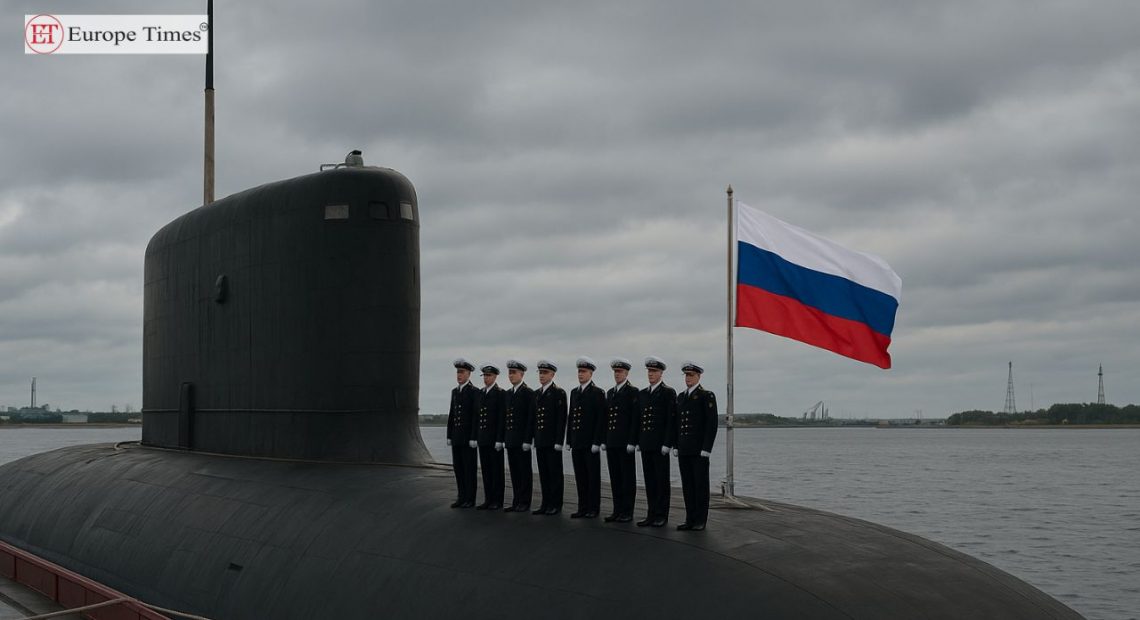
Russia and China have jointly criticized U.S. President Donald Trump over plans for the proposed “Golden Dome” missile-defense system, warning that it threatens global strategic stability. The statement came during a meeting between Chinese President Xi Jinping and Russian President Vladimir Putin in Beijing. The project aims to expand missile interception capabilities through ground-based systems and space-based defense technologies designed to detect and potentially destroy incoming missile threats.
Moscow and Beijing argued that the proposed shield undermines the balance between offensive and defensive nuclear systems, which they say is essential for maintaining global security. The two countries also criticized Washington for allowing the 2010 New START nuclear arms treaty to expire without negotiating a replacement. Russia backed China’s stance against joining future U.S.-Russia nuclear arms control talks, while both nations accused the U.S. of pursuing destabilizing military strategies.

The joint statement also warned against the deployment of intermediate-range missiles and the use of preventive missile strikes aimed at disabling enemy forces before conflict begins. Adding to tensions, Russia released footage of military exercises involving the movement and deployment of nuclear warheads for Iskander-M missile systems across Russia and Belarus. The developments highlight growing geopolitical strains between major global powers over missile defense and nuclear security.

Pic courtesy: google/ images are subject to copyright

featured News Trending

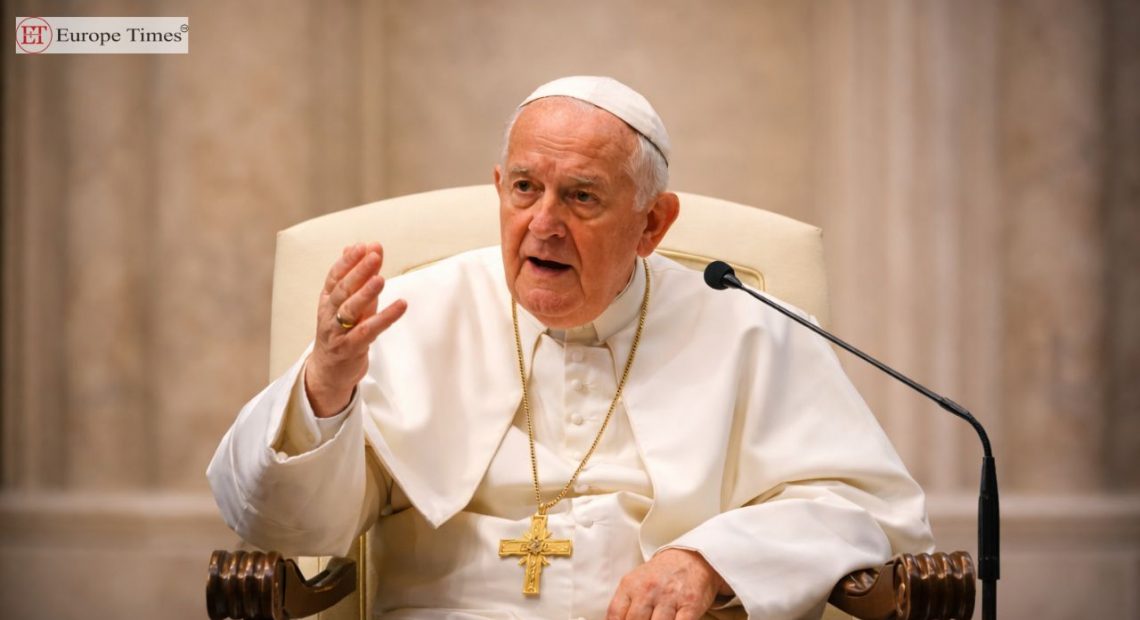
Pope Leo XIV called on Russia and the United States to extend the New START nuclear arms control treaty, which limits the number of strategic nuclear weapons deployed by each country. Speaking at his weekly audience at the Vatican, the pope emphasized that the current global situation “calls for doing everything possible to avert a new arms race.”

Signed in 2010, the treaty is set to expire on Thursday. Russian President Vladimir Putin proposed an informal one-year extension in September, but as of Wednesday, U.S. President Donald Trump had not responded, raising concerns about the potential lapse of the agreement.

The pope described the renewal as urgent, stressing the need to replace “the logic of fear and distrust with a shared ethic” that prioritizes the common good. Letting the treaty expire would mark the end of over 50 years of nuclear weapons constraints, a significant step in global arms control.

Pic courtesy: google/ images are subject to copyright

featured News

Russia said on Wednesday that it is still waiting for a formal response from the United States regarding President Vladimir Putin’s proposal to maintain the limits of the New START nuclear arms control treaty, which is set to expire on February 5. The treaty caps the number of strategic nuclear warheads and delivery systems, including land- and submarine-based missiles and bombers, for both countries. Putin had offered in September to voluntarily uphold the treaty limits for one year, a move that former U.S. President Trump described as “a good idea.”

Sergei Shoigu, head of Russia’s powerful Security Council, emphasized that fewer than 100 days remain before New START expires. He called Moscow’s proposal an opportunity to stop the “destructive movement” currently threatening nuclear arms control and urged Washington to respond soon. The treaty has historically aimed to enhance transparency and reduce the risk of miscalculation between the world’s largest nuclear powers.

With Russia and the U.S. together holding over 10,000 nuclear warheads, the vast majority of the global stockpile, arms control agreements have come under strain amid geopolitical tensions, NATO expansion, and Moscow’s war in Ukraine. Experts suggest maintaining New START could provide both nations more time to address China’s growing nuclear arsenal while preventing new Russian deployments, helping to preserve some measure of strategic stability.

Pic courtesy: google/ images are subject to copyright