
featured News Trending

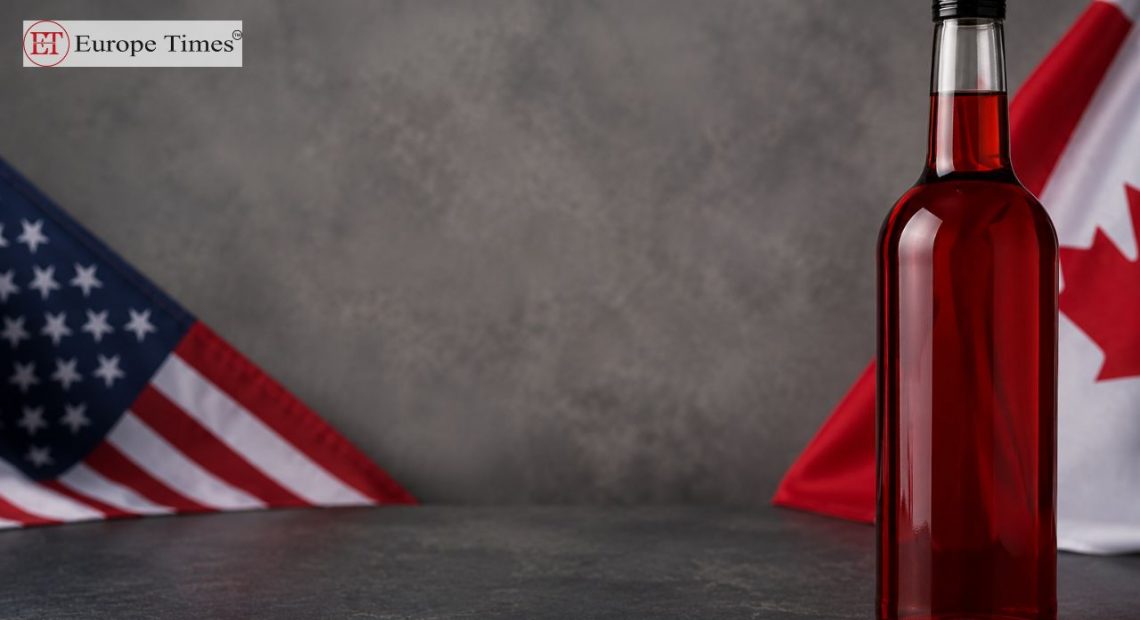
Minnesota-based Phillips Distilling Company has moved part of its production to Canada after a widespread boycott of American-made alcohol by Canadian provinces severely impacted its business. The company lost around 70% of its Canadian sales following restrictions introduced in response to U.S. tariffs, with its popular Sour Puss liqueur being among the hardest-hit products.
To restore access to the Canadian market, Phillips Distilling partnered with a Montreal-based manufacturer and began producing Sour Puss in Canada. The move allowed the brand to return to store shelves across several provinces, helping the company recover from the significant decline in sales. Company executives said the decision marked a major shift in their long-standing business model.

The trade dispute between Canada and the United States remains unresolved, with most Canadian provinces continuing to limit sales of American alcohol. Analysts note that Phillips Distilling was able to relocate production more easily than producers of region-specific products such as Kentucky bourbon or California wine. Despite uncertainty surrounding future trade negotiations, the company says the experience has reshaped its long-term business strategy.

Pic courtesy: google/ images are subject to copyright

featured News Trending

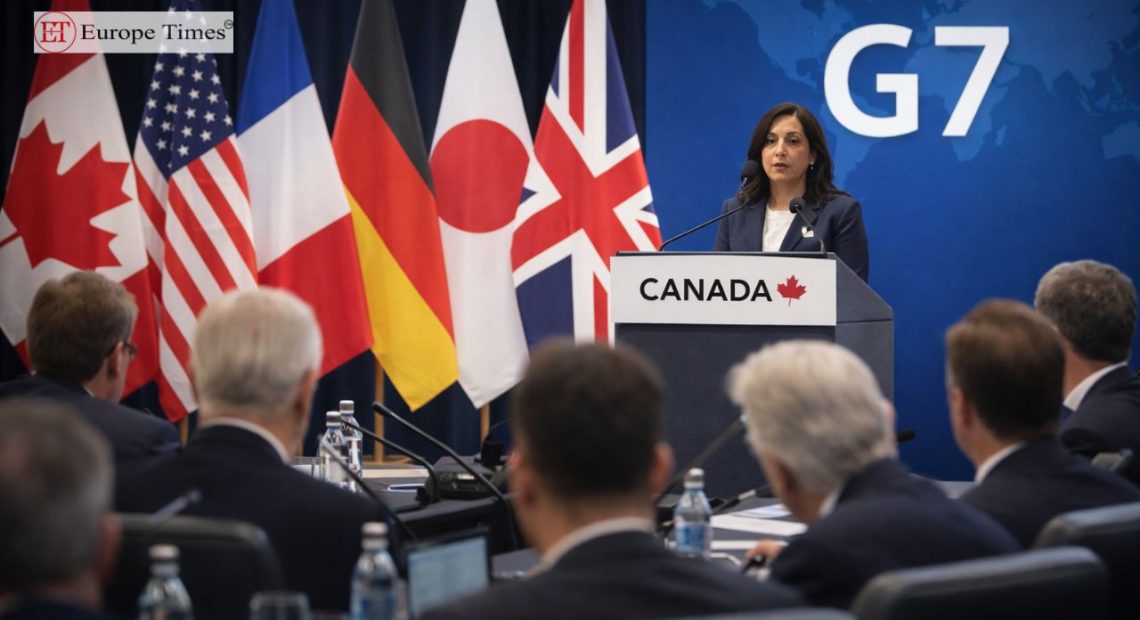
Canada is urging G7 nations to support the creation of a new multilateral defence bank aimed at financing small and medium-sized defence companies. Foreign Minister Anita Anand said the proposal will be presented during the G7 foreign ministers’ meeting in France, as countries face rising security challenges linked to ongoing conflicts and geopolitical uncertainty.

The proposed Defence and Security Resilience Bank is part of Prime Minister Mark Carney’s broader strategy to strengthen cooperation among allies, including NATO partners. Canada has been hosting discussions in Montreal to develop the bank’s framework, with the city also positioning itself as a potential headquarters. The initiative aims to pool capital and improve access to funding for defence firms struggling to meet increasing demand.

However, the proposal faces mixed support, with some countries like Germany declining participation and others exploring alternative financing plans. Anand emphasized that lessons from the Russia-Ukraine War highlight the need for faster procurement and better coordination in defence supply chains. She added that discussions will continue in the coming months, with more countries encouraged to join the initiative.

Pic courtesy: google/ images are subject to copyright