featured News Trending

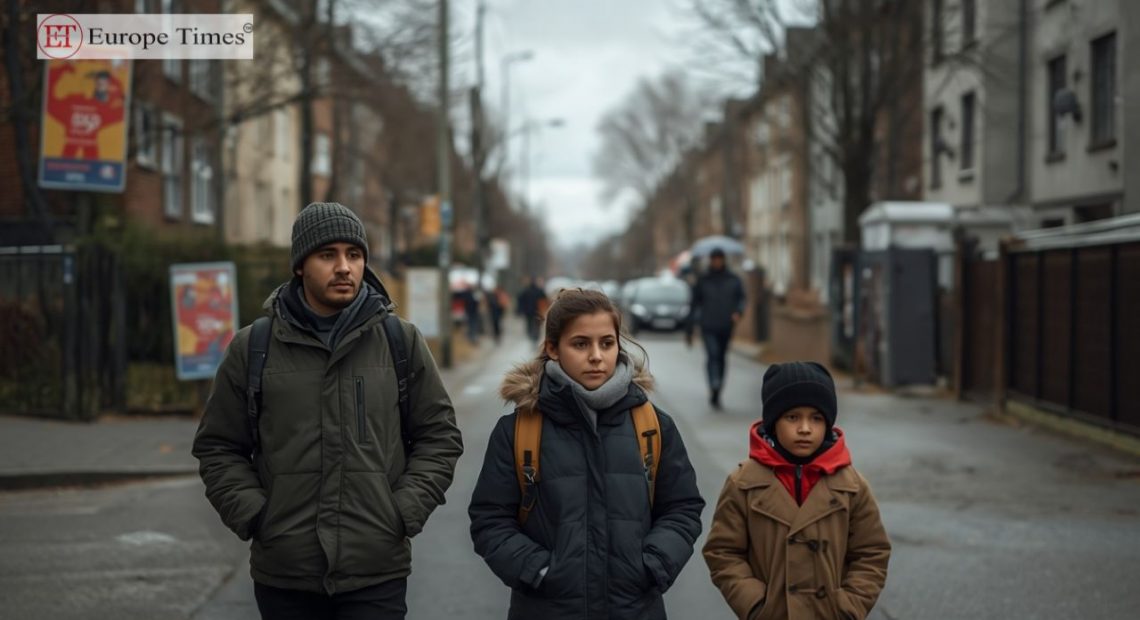
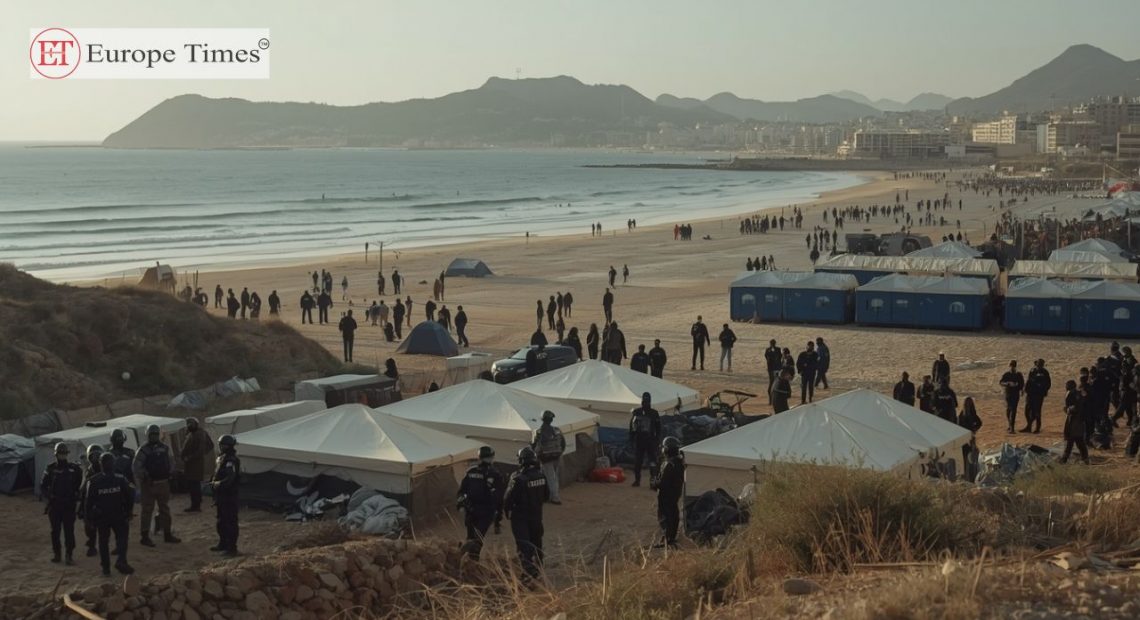
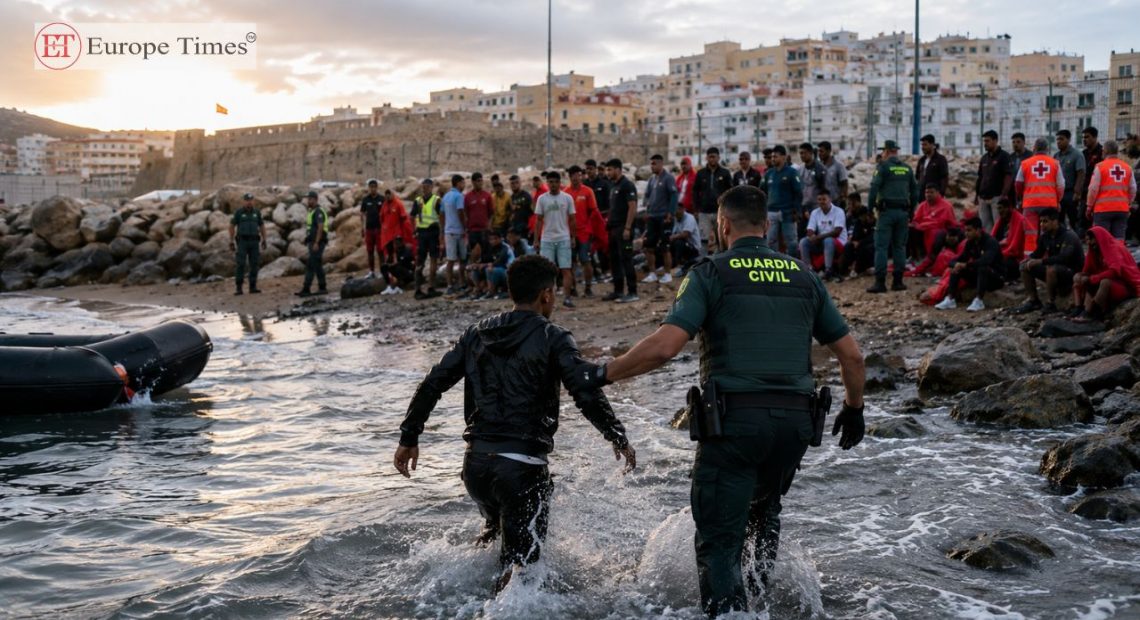
Non-governmental organisations across Spain are making a final push to help undocumented migrants apply for a special mass regularisation programme before the June 30 deadline. The initiative offers eligible migrants a one-year residence permit, and applications have far exceeded expectations, with around 1.27 million submissions compared to the government’s initial estimate of 500,000.

Aid groups such as CEAR and Cepaim are encouraging migrants to file their applications even if they are still waiting for documents from their home countries. Under the process, applicants may be allowed to submit missing paperwork later, giving many a chance to remain eligible. However, migrants from countries including Iran, Mali, Venezuela, Algeria and Nigeria have faced significant delays in securing the required documents, raising concerns that many applications could be rejected.

The Spanish government has indicated it does not plan to extend the application deadline despite growing appeals from NGOs. Rights groups warn that as many as 20% of applications could fail due to incomplete documentation and administrative hurdles. They are also calling for long-term reforms to simplify the legalisation process and reduce the time migrants spend living without legal status in Spain.

Pic courtesy: google/ images are subject to copyright

featured News Trending

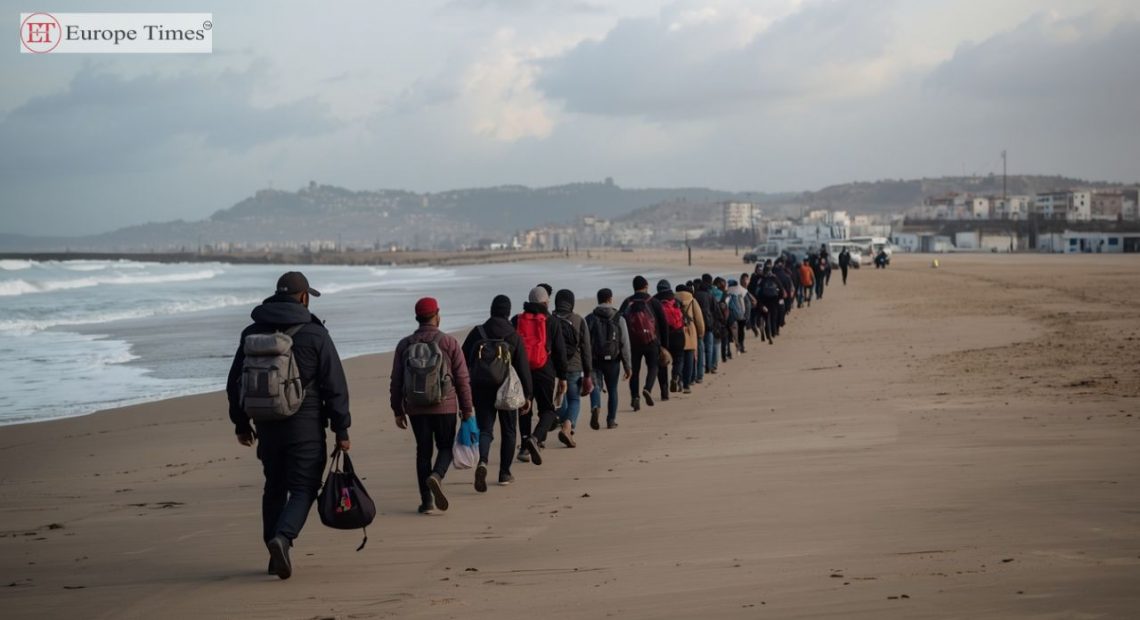
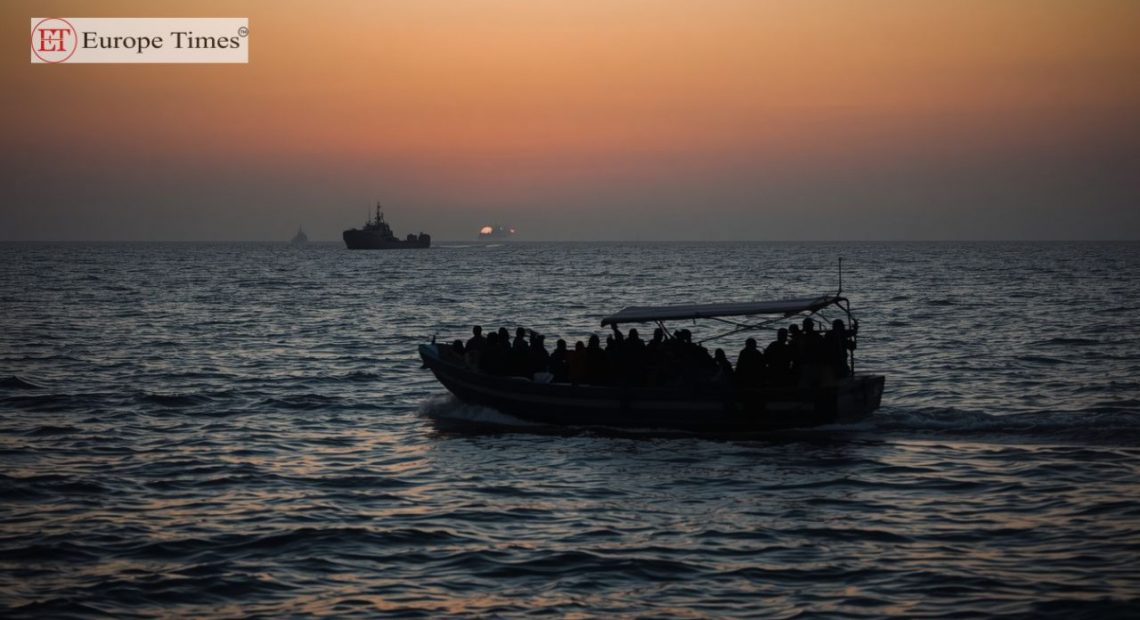
More than 1,300 migrants have died while attempting to reach Spain’s coastline during the first five months of 2026, according to advocacy group Caminando Fronteras (Walking Borders). The report recorded 1,317 deaths, including 142 women and 129 children, and noted that 27 migrant boats disappeared entirely with everyone on board.

The findings were released ahead of Pope Leo’s visit to Spain’s Canary Islands, a key destination for migrants crossing from Africa. During his visit, the Pope highlighted the humanitarian crisis facing migrants and called attention to the ethical responsibilities of the international community.

Rights organizations say tighter border controls in countries such as Mauritania are pushing migrants toward longer and more dangerous Atlantic routes. In 2025, more than 3,000 people were reported dead or missing while attempting to reach Spain, underscoring the continuing risks faced by those seeking entry into Europe.

Pic courtesy: google/ images are subject to copyright

featured News Trending

The European Union has reached a political agreement on new migration rules that would allow member states to send rejected asylum seekers and visa overstayers to “return hubs” located outside the EU. The proposal, aimed at improving deportation enforcement, comes as European governments face growing political pressure to curb irregular migration despite a decline in arrivals over the past year.

Under the new framework, authorities would gain expanded powers, including longer detention periods, the collection of biometric data, searches of premises, and penalties for migrants who do not cooperate with deportation procedures. EU officials argue the measures are necessary because only a small percentage of people ordered to leave the bloc currently do so.

Human rights organizations and opposition lawmakers have strongly criticized the plan, warning it could lead to abuses and undermine migrant rights. Critics say the rules resemble aggressive immigration enforcement practices seen elsewhere and could increase detentions, home searches, and transfers to third countries with limited safeguards. The legislation still requires formal approval from EU governments and the European Parliament.

Pic courtesy: google/ images are subject to copyright

featured News Trending

Pope Leo XIV will travel to Spain from June 6–12, marking his first visit to a European Union country outside Italy since becoming pontiff. As part of the trip, he will visit the Canary Islands—a major entry point for migrants crossing dangerous Atlantic routes to Europe.

During his time on Tenerife and Gran Canaria, the pope is expected to meet migrants and humanitarian organizations supporting them. The visit comes amid growing concern over migration, with thousands losing their lives attempting the journey, and as Spain rolls out a mass amnesty program for undocumented immigrants under Prime Minister Pedro Sánchez.

The tour will also include stops in Madrid and Barcelona, where the pope will meet King Felipe VI and Queen Letizia, and inaugurate a new tower of the iconic Sagrada Familia. The visit highlights his increasingly vocal stance on global issues, particularly migration and humanitarian concerns.

Pic courtesy: google/ images are subject to copyright

featured News Trending

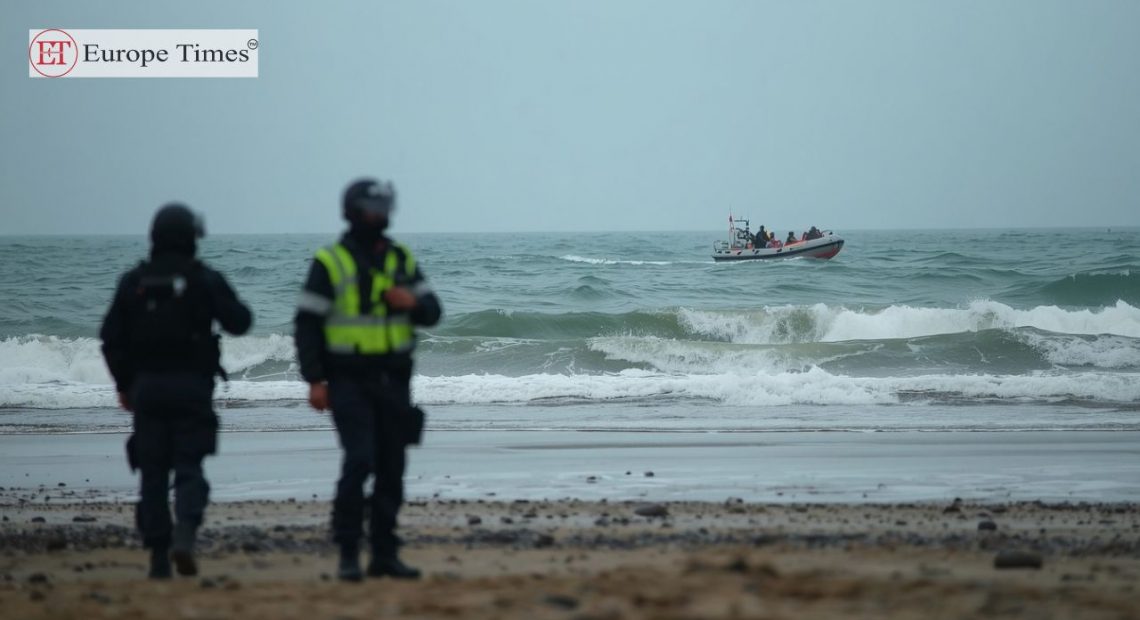
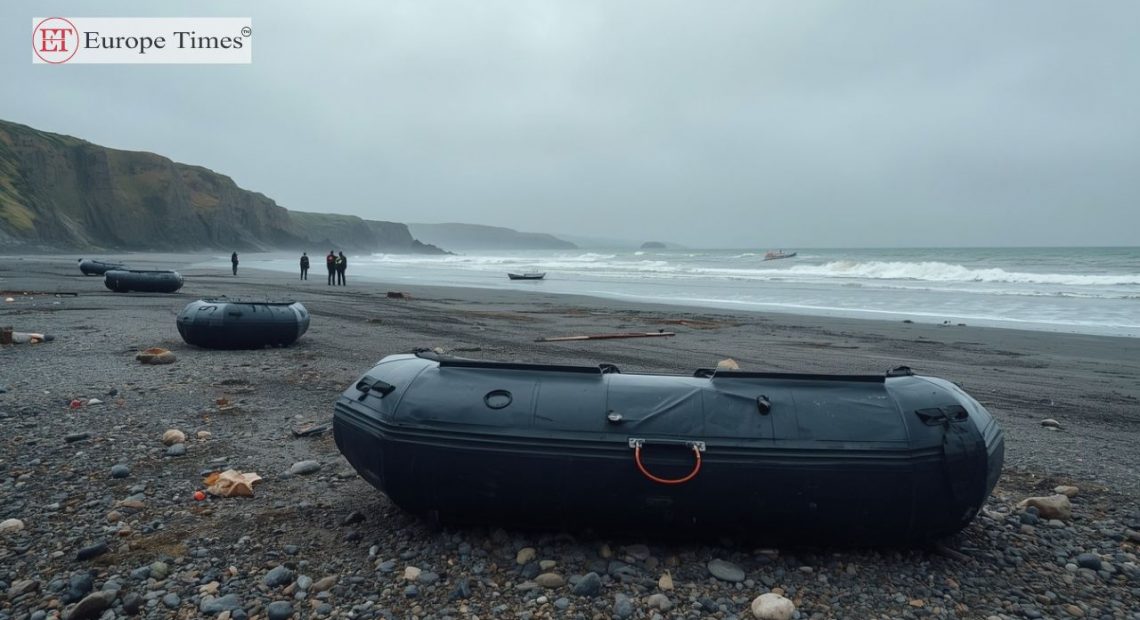
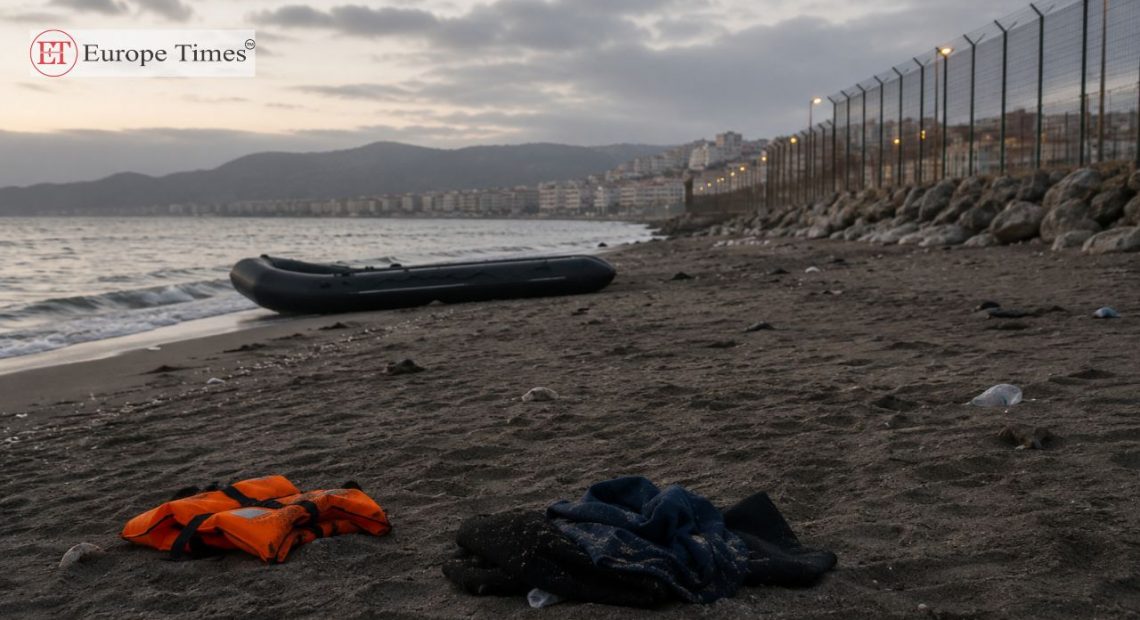
The French Coastguard rescued more than 100 migrants after a boat attempting to cross the English Channel broke down. Authorities responded on Saturday, bringing 106 people safely aboard a rescue vessel and transporting them to Calais early Sunday morning.

Earlier, emergency teams had already intervened near Wimereux to assist seven individuals struggling to board the overcrowded boat, including a woman who lost consciousness and required helicopter evacuation. In a separate incident, six more people were rescued, bringing the total number saved across operations to 119.

The rescues come shortly after a new £662 million agreement between the UK and France aimed at curbing dangerous crossings. Despite increased enforcement plans, officials continue to warn that the Channel remains one of the world’s busiest and most hazardous waterways, with unpredictable weather and strong currents posing serious risks to those attempting the journey.

Pic courtesy: google/ images are subject to copyright

featured News Trending

Two merchant ships near Italy rescued 32 migrants and recovered the bodies of two others after a boat attempting to cross from Libya toward Europe capsized over the Easter weekend, according to rescue charities. Survivors were later transferred to an Italian coast guard vessel and taken to the island of Lampedusa, while authorities had not immediately commented on the incident.

Rescue groups Mediterranea Saving Humans and Sea-Watch said survivors reported that the vessel had initially carried 105 people, with 71 believed lost at sea. Video footage released by Sea-Watch showed migrants clinging to an overturned orange boat as rescuers approached to assist them.

Harsh weather conditions in the Mediterranean this year have complicated migration crossings, reducing departures from North Africa but increasing risks for those who attempt the journey. The International Organization for Migration estimates at least 683 people have died along the central Mediterranean route so far this year, making it one of the deadliest migration corridors globally.

Pic courtesy: google/ images are subject to copyright

featured News Trending

Italy’s cabinet has approved a bill allowing naval blockades to stop migrant boats during periods of “exceptional pressure” at its borders. Prime Minister Giorgia Meloni, in office since 2022, has already introduced measures to accelerate repatriation of failed asylum seekers and impose stricter penalties on human smugglers, aiming to reduce sea crossings.

Under the draft legislation, the government could ban vessels from entering Italian waters for up to six months in cases of serious threats to public order or national security. Fines of up to €50,000 and potential confiscation of boats would target repeated violations, including charity-operated rescue ships. Meloni’s coalition argues that such rescue operations encourage migrants to attempt perilous sea journeys.

The bill has faced criticism from the center-left opposition, who call the approach repressive and ineffective. The move aligns with recent EU asylum rule changes allowing member states to reject applications from migrants who could have sought protection in a “safe” EU country, reflecting broader European efforts to tighten immigration controls.

Pic courtesy: google/ images are subject to copyright

featured News Trending

Spain’s government has unveiled a draft decree to provide legal status to hundreds of thousands of undocumented migrants, in a bid to accelerate integration and support key economic sectors. The measure targets those who have lived in the country for at least five months by the end of 2025 and have no criminal record, as well as asylum applicants. The permit will initially be valid for one year, extendable up to five years for children, and could lead to citizenship after 10 years—or sooner for Latin American nationals and refugees.

The decree is expected to benefit around 500,000 people, primarily from Latin America, strengthening Spain’s approach to migration based on human rights, social cohesion, and economic growth. Migration Minister Elma Saiz emphasized that Spain’s openness to migrants has helped fuel employment in sectors such as hospitality and care, contributing to lower unemployment and robust economic performance relative to other European nations.

While the decree can be enacted by the cabinet without parliamentary approval, it faces potential political opposition. Conservative leader Alberto Nuñez Feijoo has pledged to reverse the policy if his party wins the next election. The initiative follows citizen-backed campaigns supported by hundreds of rights groups and the Catholic Church, aimed at regularizing undocumented migrants who now account for a significant portion of Spain’s non-EU population.

Pic courtesy: google/ images are subject to copyright

featured News Trending

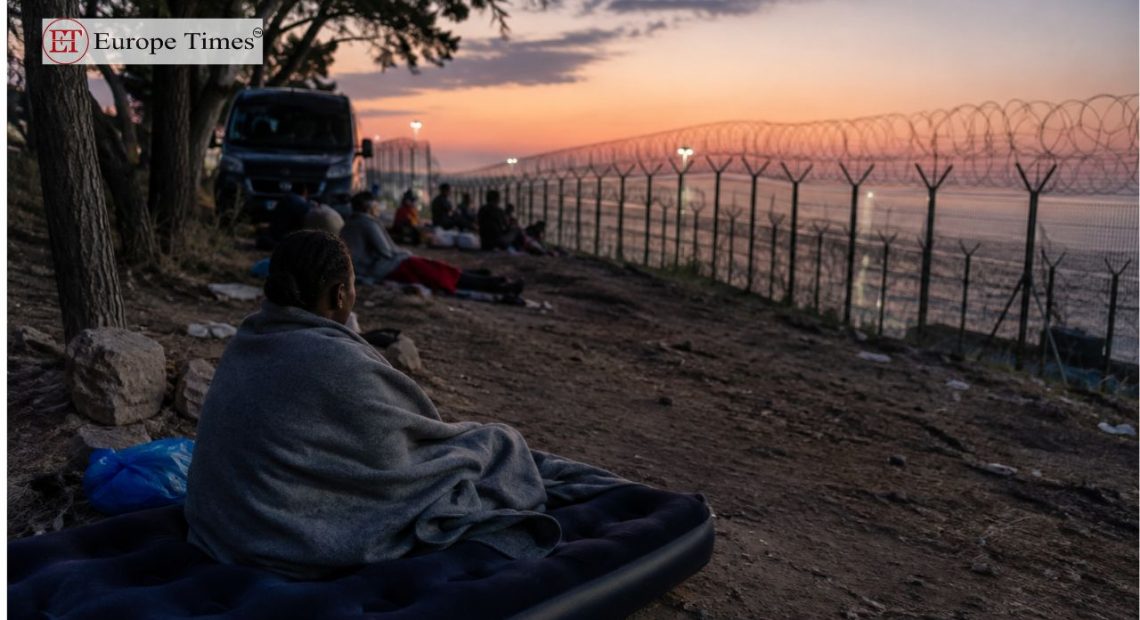
The EU’s Fundamental Rights Agency (FRA) is urging more thorough investigations into alleged human rights violations against migrants and refugees by authorities at the EU’s borders, including areas in the Balkans, the Mediterranean, and the English Channel. In a recent report, FRA highlighted the concerning lack of investigations despite numerous credible reports of loss of life and mistreatment along the EU’s land and sea borders.

The agency pointed out that allegations of severe human rights abuses include physical violence, neglect in rescuing individuals in distress, and forced family separations. FRA noted that victims often do not report these incidents to law enforcement due to their vulnerable circumstances.

In France, a civil society organization indicated that only one out of ten cases reported to them in Calais resulted in a formal complaint. Lawyers and civil society groups have stated that victims may hesitate to file complaints due to a lack of trust in the authorities or fear of repercussions on their asylum applications. Additionally, smugglers sometimes advise against reporting such incidents.

An example illustrating the difficulties faced by investigators occurred in October 2022 when French police apprehended an unaccompanied child hiding in a truck bound for the United Kingdom. The child was later found unconscious with a fractured skull by volunteers, who reported the incident to the public prosecutor in Boulogne-sur-Mer. However, when investigators attempted to reach the child a month later, he had already left for the UK and could not be located.

The report centers on border management and does not address asylum-related administrative procedures. FRA expressed concern that the limited number of investigations into these cases reflects poorly on the operations of border management authorities. The agency also noted that even when incidents are looked into, very few result in national court convictions, creating a prevailing sense of impunity.

FRA’s Director, Sirpa Rautio, emphasized that Europe has a “duty” to treat all individuals at its borders “fairly, respectfully, and in full compliance with human rights law.” She called for the implementation of “effective and rights-compliant border management practices” and thorough investigations into all reported instances of rights abuses.

Picture Courtesy: Google/images are subject to copyright

News Trending

Pope Francis delivered a Christmas Day message at St Peter’s Basilica, calling for an end to the war in Gaza and the release of Israeli hostages held by Hamas. Expressing sorrow for the victims of the October 7 attack, he urgently appealed for the liberation of those still held hostage and pleaded for an end to military operations that result in innocent civilian casualties.

The Pope also emphasized the need for increased humanitarian aid to address the desperate situation in Gaza. He highlighted the appalling impact of the conflict and urged for a solution to the humanitarian crisis through the provision of necessary aid.

In addition to addressing the Israel-Hamas conflict, Pope Francis touched on other global conflicts. He called for peace in Ukraine, where the war with Russia has persisted for nearly two years. The Pope also expressed his prayers for political and social stability in Syria, Lebanon, and Yemen—countries marked by prolonged periods of war and unrest.

Beyond specific regions, Pope Francis advocated for peaceful solutions to conflicts in various parts of the world, including Armenia and Azerbaijan, as well as in different areas of Africa and on the Korean Peninsula. His message resonated with a plea for harmony and resolution in troubled spots across the globe.

In his address, Pope Francis extended his concerns to millions of migrants worldwide, highlighting their plight as “the little Jesuses of today.” He emphasized the challenges faced by migrants on perilous journeys undertaken in desperation and in search of hope, calling for compassion and understanding in addressing their struggles.

Picture Courtesy: Google/images are subject to copyright