featured News Trending

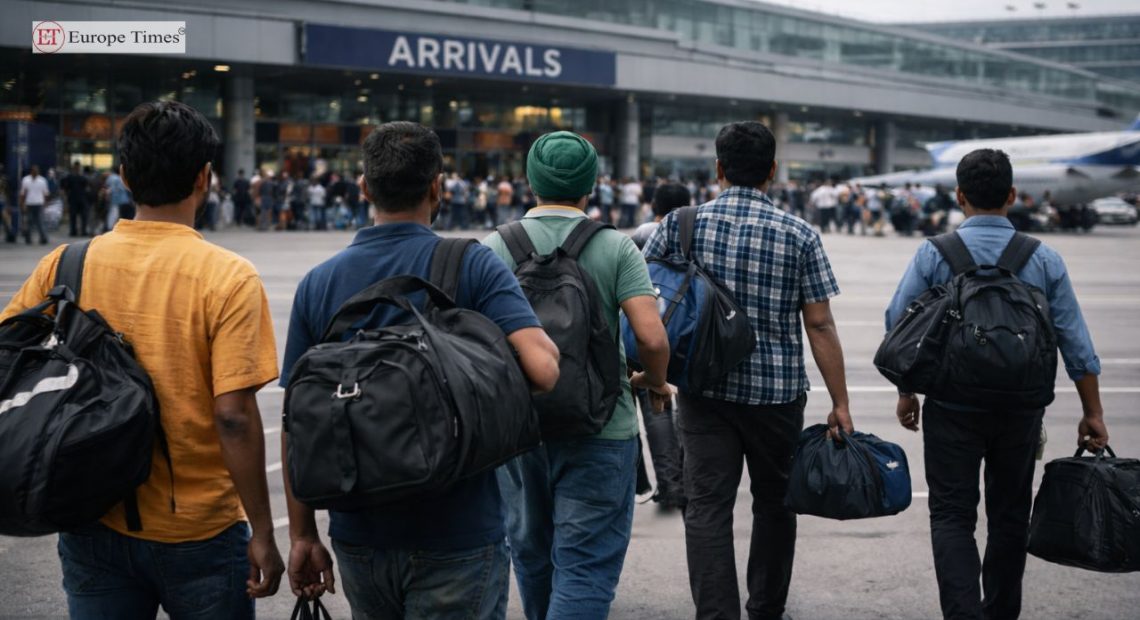
Pope Leo has begun a visit to Spain’s Canary Islands to draw attention to the dangers faced by migrants attempting the perilous Atlantic crossing from West Africa to Europe. During his trip, the Pope will honor those who lost their lives at sea and advocate for safer, legal migration routes while calling for a more humane and respectful approach toward migrants arriving on European shores.

Although migrant arrivals to Spain by sea have declined this year due to increased patrols and interceptions funded by the European Union, many people continue to risk the journey. Migrants such as Bakary Jaiju, who left Gambia in search of a better future for his family, describe overcrowded boats, limited food and water, and life-threatening conditions before reaching the Canary Islands.

The visit comes as Europe moves toward stricter migration controls under a new EU pact aimed at tightening borders and increasing deportations. However, local officials and community groups in the Canary Islands argue that migrants are helping fill labor shortages in sectors such as tourism, construction, and transportation, urging Europe to develop legal migration pathways instead of relying solely on enforcement measures.

Pic courtesy: google/ images are subject to copyright

featured News Trending

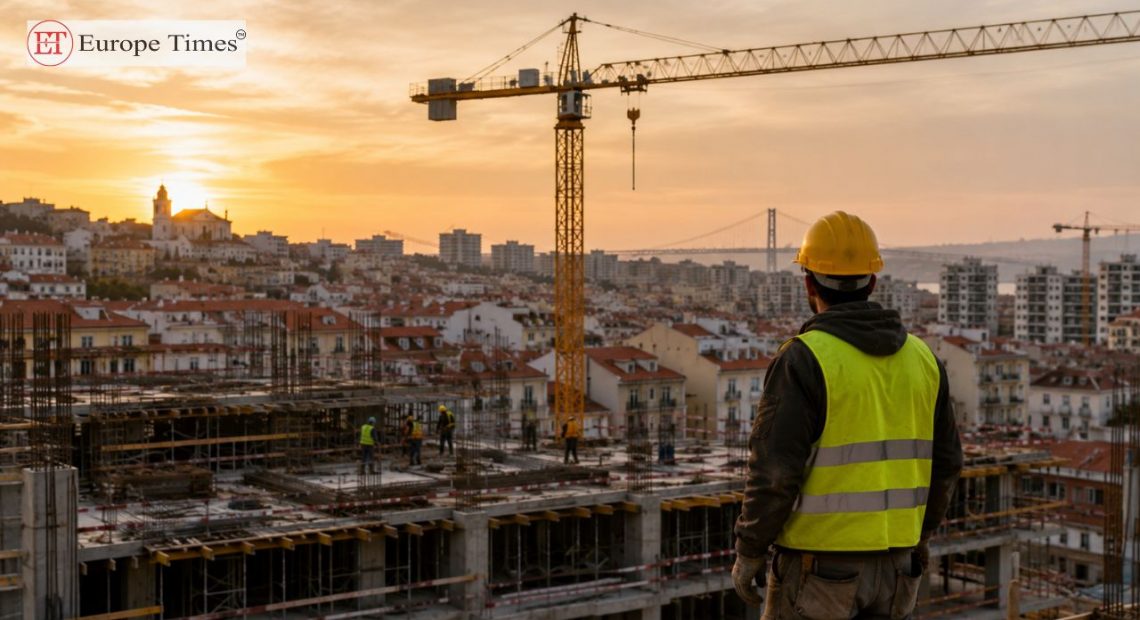
Russia is increasingly recruiting workers from India to address a severe labour shortage worsened by the war in Ukraine. Officials estimate the country needs at least 2.3 million additional workers, particularly in manufacturing, construction and services. With fewer migrants arriving from Central Asia — traditionally Russia’s main source of foreign labour — Moscow has sharply increased work permits for Indians, approving nearly 72,000 last year compared with about 5,000 in 2021.

The shift reflects both economic necessity and strengthening ties between Moscow and New Delhi. President Vladimir Putin and Prime Minister Narendra Modi signed an agreement in December to simplify employment procedures for Indians in Russia. Russian officials say the country could accept an “unlimited number” of Indian workers, with hundreds of thousands needed across key sectors. A weaker rouble, stricter migration rules and rising anti-immigrant rhetoric have also reduced inflows from Central Asia, prompting the pivot toward South Asia.

Indian migrants are now working in textile factories, farms and service industries around Moscow and beyond. Employers say the workers are motivated and quickly adapt to new skills, while migrants cite higher wages compared to opportunities back home. Though U.S. pressure on India over its purchases of discounted Russian oil could affect broader ties, Moscow has downplayed tensions, and the inflow of Indian labour continues for now.

Pic courtesy: google/ images are subject to copyright