featured News Trending

Iran has warned that any European Union country joining military attacks by the United States and Israel would be considered a “legitimate target” for retaliation. Iran’s Deputy Foreign Minister Majid Takht-Ravanchi made the statement during an interview with France 24, stressing that countries supporting the aggression would face direct consequences from Iran.

His comments come as tensions continue to escalate in the Middle East. Several EU nations, including France, Greece, and Italy, have deployed warships to the region. While many European leaders have criticized Iranian actions, they have also called for de-escalation and a diplomatic resolution to the conflict.

Meanwhile, German Chancellor Friedrich Merz said Germany is working with international partners to find ways to end the fighting. However, he noted that Berlin shares strategic goals with the United States and Israel regarding the situation with Iran.

Pic courtesy: google/ images are subject to copyright

featured News Trending

Israeli Prime Minister Benjamin Netanyahu said the war against Iran would be decisive and not drag on for years, describing it as potentially lasting weeks rather than becoming an “endless war.” Speaking in a televised interview, Netanyahu stressed that while the conflict may take some time, it would not mirror the prolonged wars of the past. The joint U.S.-Israeli air campaign began over the weekend, with Donald Trump initially suggesting a timeline of four to five weeks, though later remarks signalled a broader and open-ended approach.

The conflict has rapidly expanded beyond Iran and Israel, with Tehran launching missile and drone strikes targeting Israel, U.S. forces, and Gulf states hosting American bases. Israel has struck Iranian-linked targets in Lebanon, including Hezbollah positions, and reinforced troop deployments along its northern border. Iranian attacks have reportedly hit U.S. facilities in the region, including drone strikes near Riyadh and claims of damage to a U.S. base in Bahrain. Casualties have mounted across Iran, Israel, Lebanon and neighbouring states as exchanges intensify.

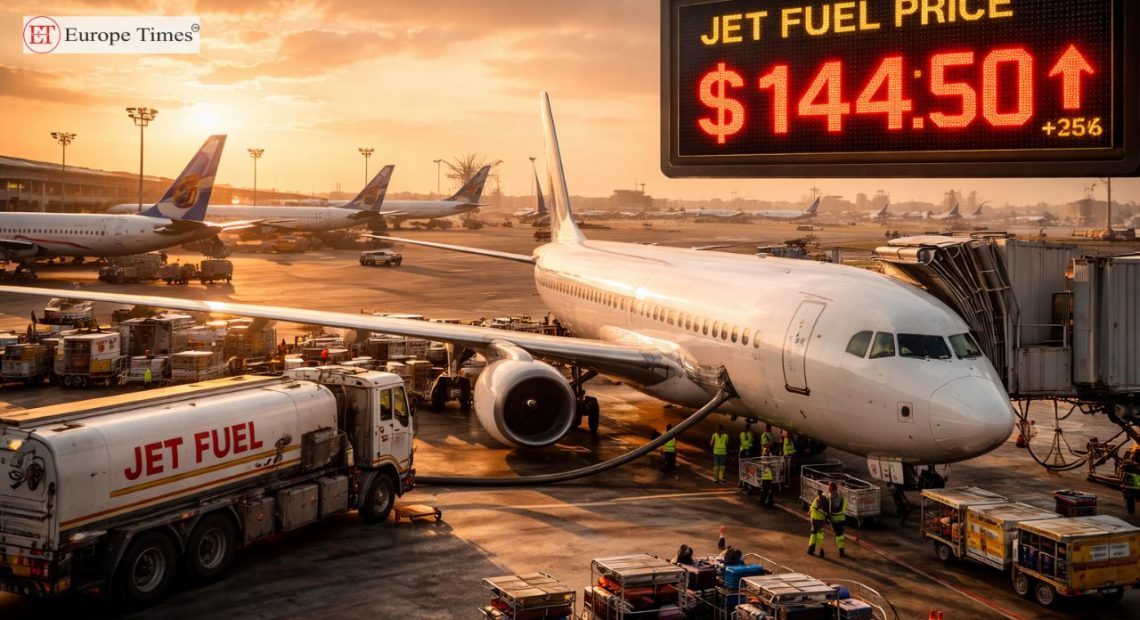
The escalating war has disrupted global aviation and energy markets, with thousands of Gulf flights cancelled and major hubs such as Dubai temporarily shut. Shipping through the Strait of Hormuz — a key artery for global oil trade — has been severely affected, driving oil prices and tanker rates sharply higher. Washington has ordered non-essential personnel to leave several regional countries, while U.S. Secretary of State Marco Rubio warned that stronger American military action could still follow. Diplomatic tensions remain high as global powers react to one of the most significant Middle East escalations in decades.

Pic courtesy: google/ images are subject to copyright

featured News

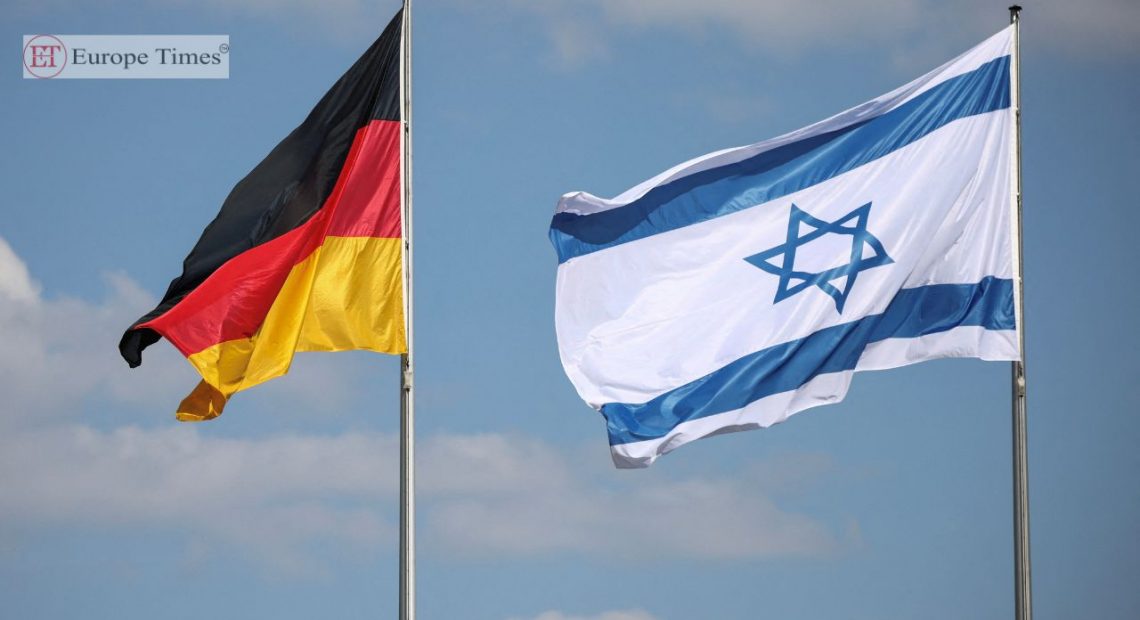
Germany has announced that it will lift its suspension on certain weapons sales to Israel starting November 24, a pause that had been in place since August due to the Gaza war. The suspension covered arms and systems that could be used in Gaza, though equipment deemed essential for Israel’s external defence was still allowed. Berlin, one of Israel’s key arms suppliers after the United States, had faced strong domestic pressure over its decision to halt exports.

The German government said the resumption of sales depends on Israel maintaining the current ceasefire with Hamas and ensuring the continued large-scale delivery of humanitarian aid to Gaza. Officials stressed that all future arms deals will be reviewed on a case-by-case basis and closely monitored in line with developments on the ground. Germany reaffirmed its commitment to supporting long-term peace efforts and backing reconstruction in Gaza under a two-state framework.

The reversal drew mixed reactions: Israeli Foreign Minister Gideon Saar praised the move and urged other nations to follow, while German Chancellor Friedrich Merz previously faced criticism from his own conservative bloc for the partial suspension. Germany has historically been one of Israel’s strongest supporters due to its responsibilities stemming from the Holocaust and supplied around 30% of Israel’s major arms imports between 2019 and 2023, including naval frigates used in the Gaza conflict.

Pic Courtesy: google/ images are subject to copyright