
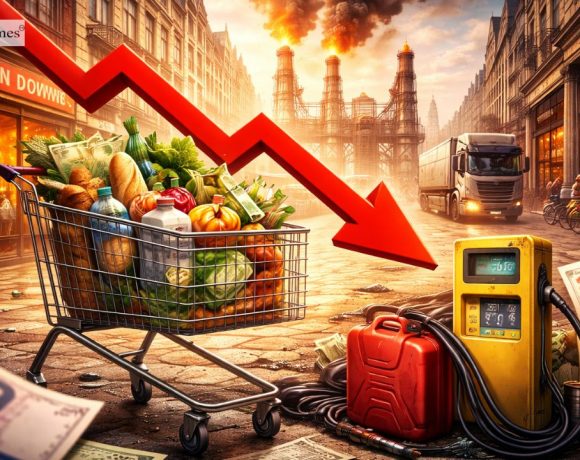
Europe’s retail industry is bracing for renewed pressure as rising energy prices linked to the ongoing U.S.-Israeli conflict with Iran threaten to push operating costs higher. Retail stocks, including Zara owner Inditex and Britain’s Marks & Spencer, fell as investors warned that higher fuel and gas prices could hurt an already fragile sector. The industry has barely recovered from the inflation shock caused by soaring energy costs following Russia’s invasion of Ukraine, while consumer demand across the euro zone and the UK remains weak.
Retailers are particularly vulnerable because energy costs directly affect supply chains and store operations. Transport expenses, which account for about 5% to 10% of a retailer’s operating costs, are expected to rise as fuel prices climb. Supermarkets and shopping centres also face higher electricity expenses for refrigeration, heating, air conditioning and lighting. At the same time, rising oil prices are pushing fertiliser costs higher, adding further pressure on food producers and ultimately driving up prices across the supply chain.
Analysts warn that the sector may struggle to pass on higher costs to consumers because household spending power has already been weakened by years of inflation. Clothing retailers could be especially exposed, as fashion spending is often the first to be cut when essential costs rise. With Europe’s retail and consumer goods sector already among the most financially distressed industries, industry groups are calling on governments to limit additional inflationary pressures and protect consumers from further cost increases.
Pic courtesy: google/ images are subject to copyright
