featured News Trending

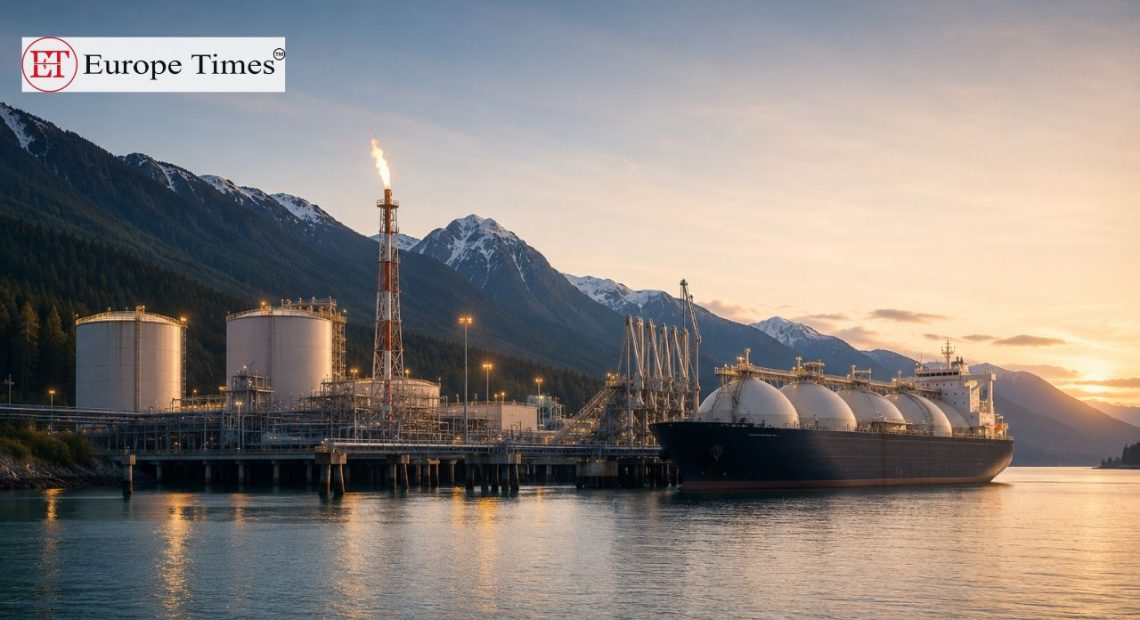
Canada has signed a major long-term energy agreement with Germany that will see one million tonnes of liquefied natural gas (LNG) exported annually from British Columbia to Europe beginning in the early 2030s. The deal involves the proposed Ksi Lisims LNG project and Germany’s state-owned energy company SEFE, marking Canada’s first long-term LNG supply arrangement with Europe.

Canadian Energy Minister Tim Hodgson said the agreement is an important step in diversifying Canada’s trade and energy exports beyond the United States, which currently receives nearly all of the country’s LNG shipments. He said the partnership also highlights Canada’s role as a stable and reliable energy supplier amid global uncertainty caused by the Russia-Ukraine war and tensions in the Middle East.

The agreement is expected to strengthen support for the Ksi Lisims LNG project, which still awaits final investment approval and faces opposition from environmental organisations and some Indigenous groups over climate and legal concerns. While the Nisga’a Nation backs the project, critics argue it poses environmental risks and may struggle to secure financing. The deal comes as Prime Minister Mark Carney pushes for faster energy development while balancing growing climate concerns within his Liberal Party.

Pic courtesy: google/ images are subject to copyright

featured News Trending

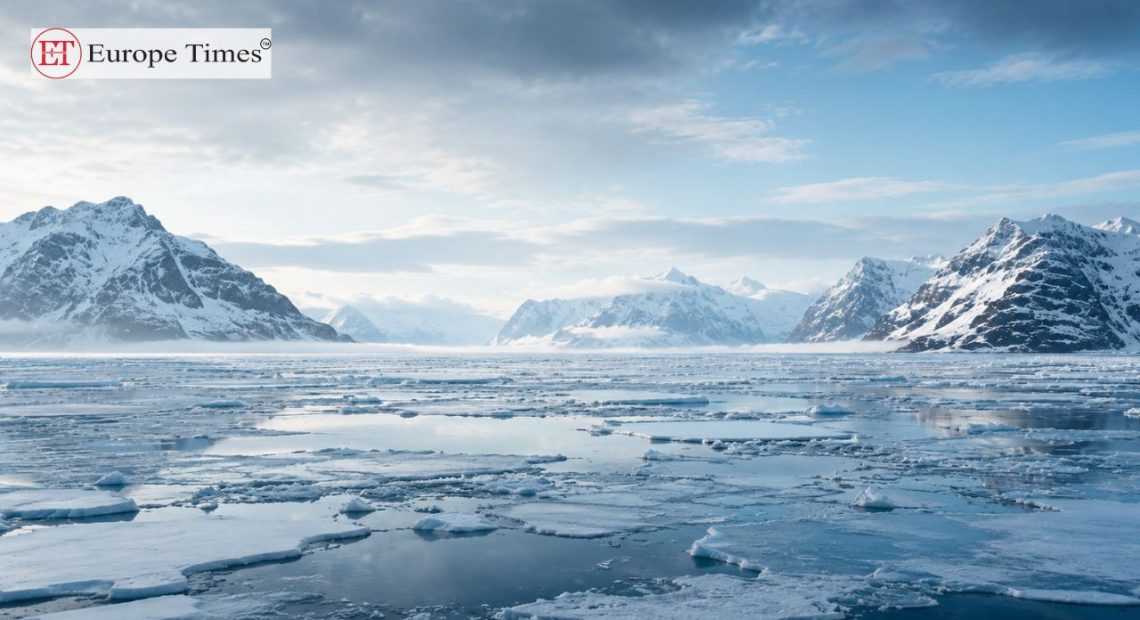
Canada is expanding its Arctic defense cooperation with Nordic countries as concerns grow over regional security and comments by U.S. President Donald Trump about Greenland and Canada. Canadian officials and Nordic allies are increasing military coordination, intelligence sharing and Arctic preparedness amid rising tensions linked to Russia and growing Chinese activity in the region.

Prime Minister Mark Carney has strengthened partnerships with Denmark, Norway, Sweden, Finland and Iceland as part of a broader strategy to reduce dependence on the United States for Arctic security. In March, Canada and the Nordic nations agreed to deepen cooperation in defense production, military procurement and cybersecurity. Discussions are also underway to help Greenland develop a local force modeled after Canada’s Rangers.

The renewed focus on Arctic alliances comes as climate change makes the region more accessible and strategically important. Experts say Russia maintains the strongest military presence in the Arctic, while China is increasing its involvement through partnerships and infrastructure projects. Despite Canada’s push for stronger Nordic ties, analysts note that cooperation with the United States through NORAD remains essential for large-scale Arctic defense operations.

Pic courtesy: google/ images are subject to copyright

featured News Trending

Canada could potentially join the Eurovision Song Contest in the future, according to Eurovision director Martin Green, who said the competition would welcome countries that share its values. While Canada has not officially applied to participate, Prime Minister Mark Carney’s government revealed last year that it was exploring the possibility with Canada’s public broadcaster, CBC.

Although Eurovision is primarily a European competition organised by the European Broadcasting Union (EBU), non-European countries like Australia have previously been allowed to compete. Canada’s CBC currently holds associate member status with the EBU, meaning participation could be considered on a case-by-case basis if approved by Eurovision organisers.

Canada already has strong historical ties to Eurovision through several artists who represented other countries. Most notably, Canadian singer Céline Dion won the contest for Switzerland in 1988, helping launch her global music career. Other Canadian performers, including Natasha St-Pier and La Zarra, have also represented France in past editions of the competition.

Pic courtesy: google/ images are subject to copyright

featured News Trending

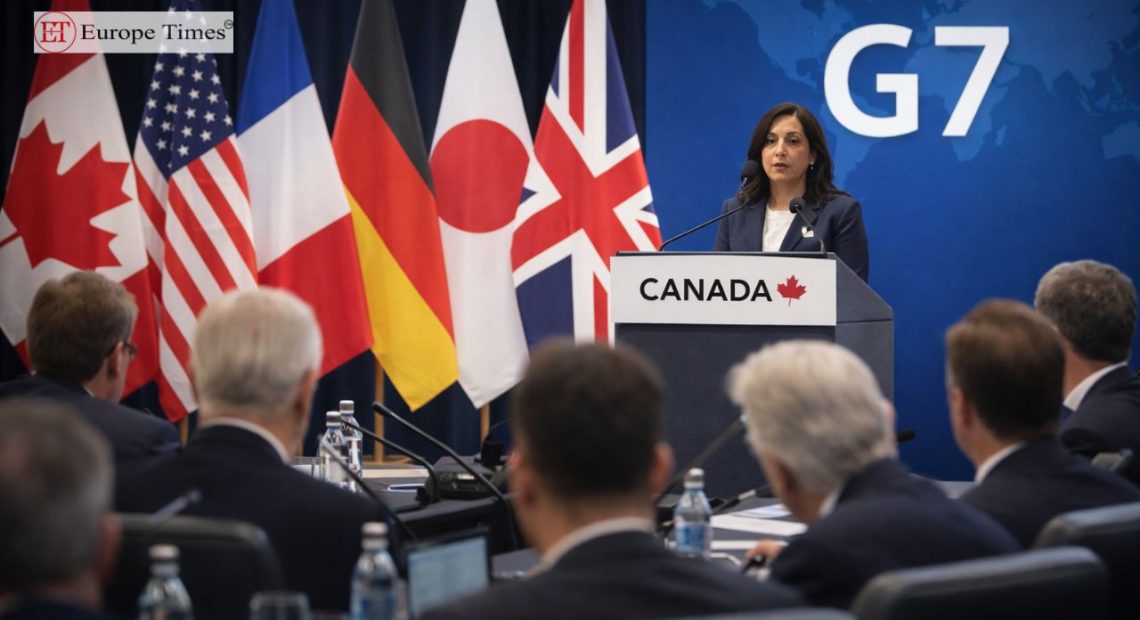
Canada is urging G7 nations to support the creation of a new multilateral defence bank aimed at financing small and medium-sized defence companies. Foreign Minister Anita Anand said the proposal will be presented during the G7 foreign ministers’ meeting in France, as countries face rising security challenges linked to ongoing conflicts and geopolitical uncertainty.

The proposed Defence and Security Resilience Bank is part of Prime Minister Mark Carney’s broader strategy to strengthen cooperation among allies, including NATO partners. Canada has been hosting discussions in Montreal to develop the bank’s framework, with the city also positioning itself as a potential headquarters. The initiative aims to pool capital and improve access to funding for defence firms struggling to meet increasing demand.

However, the proposal faces mixed support, with some countries like Germany declining participation and others exploring alternative financing plans. Anand emphasized that lessons from the Russia-Ukraine War highlight the need for faster procurement and better coordination in defence supply chains. She added that discussions will continue in the coming months, with more countries encouraged to join the initiative.

Pic courtesy: google/ images are subject to copyright