featured News Trending

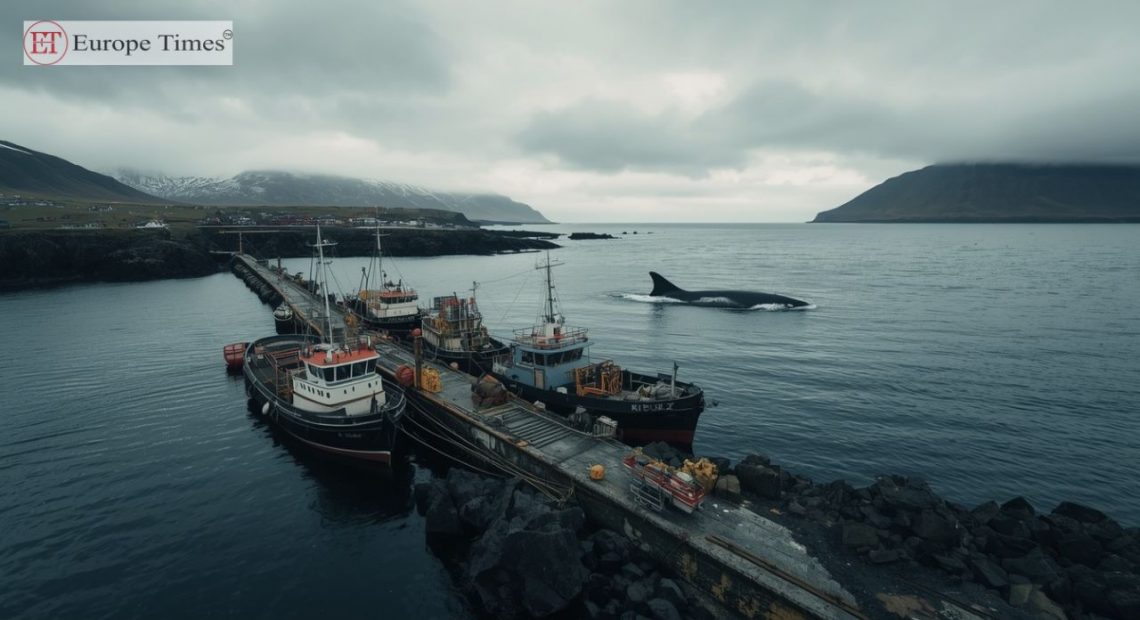
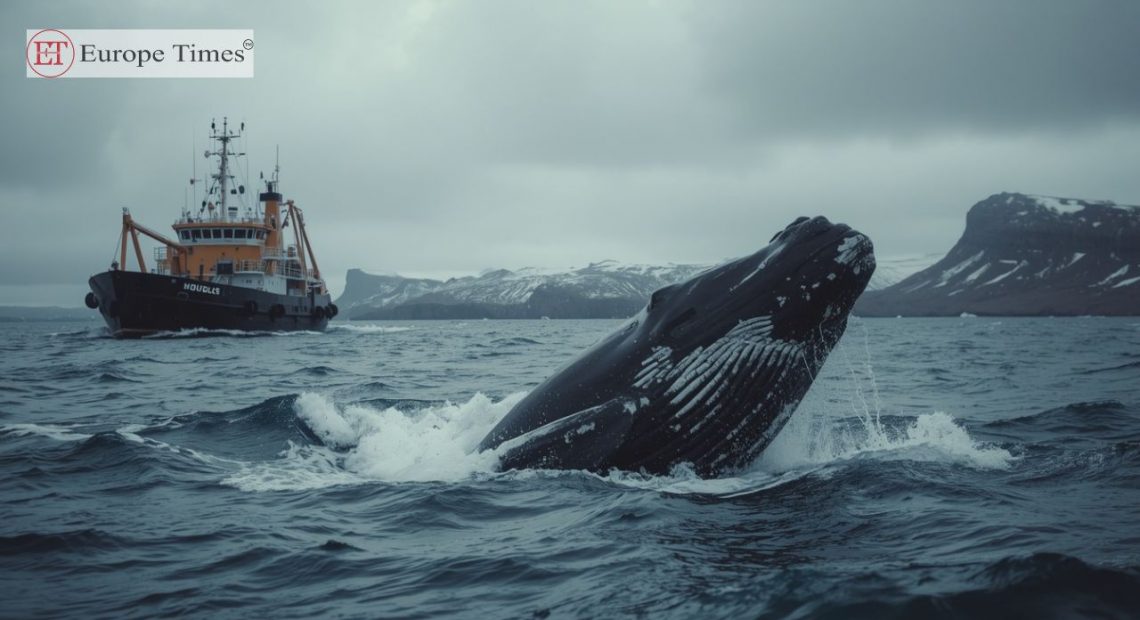
Iceland’s government plans to introduce a bill in February that would permanently ban commercial whaling, a move that could leave Norway and Japan as the world’s only countries continuing the practice. The government, which holds a parliamentary majority, said there is significant political and public support for the proposed ban. Whaling in Iceland has faced years of opposition from animal welfare and conservation groups.

Iceland’s current whaling season runs from June to around the end of September, with 80 fin whales reportedly caught as of September 9 against an annual quota of 150. Fin whales, the main target of Iceland’s whaling industry, are classified as vulnerable by the International Union for Conservation of Nature. Animal welfare groups have welcomed the proposed legislation, citing ethical, legal and conservation concerns.

Iceland, Norway and Japan are the only countries known to have conducted commercial whaling in recent years. Norway resumed commercial whaling in 1993, while Iceland restarted in 2006 despite an international moratorium introduced in 1986. Japan withdrew from the International Whaling Commission in 2019 and resumed commercial whaling within its waters, while indigenous communities in some regions remain exempt from the moratorium for cultural and nutritional reasons.

Pic courtesy: google/ images are subject to copyright

News Trending

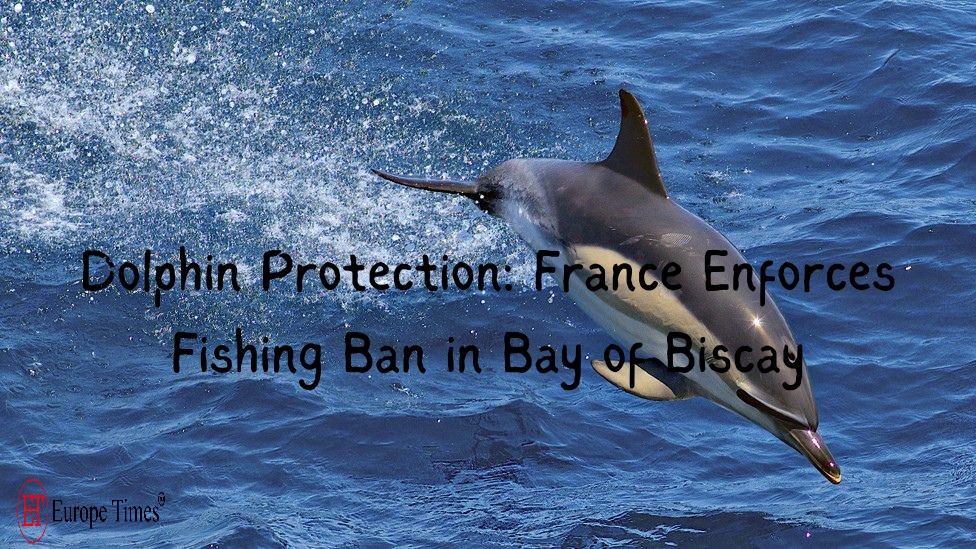
France has implemented a temporary ban on nearly all commercial fishing activities in the Bay of Biscay, starting from Monday and extending until 20 February. The ban covers fishing grounds along the country’s Atlantic coast and is aimed at protecting dolphins. French marine experts estimate that around 9,000 dolphins die each year in the bay due to accidental entanglement in fishing gear.

Local fishermen have expressed discontent with the ban, labeling it as “absurd.” They are concerned about potential financial losses during the suspension period. The fishing ban is expected to significantly impact the industry, with reports suggesting that approximately 450 French vessels, longer than 8m (26.2ft), will be out of action. Fishermen argue that vessels between 9 to 11m (29.5ft to 36.1ft) are not typically engaged in dolphin fishing.

The French government has responded to the concerns of the fishing industry by promising compensation. Minister Christophe Béchu assured that up to 75% of the losses incurred during the ban will be covered, with payments to be made “as quickly as possible.” Despite the compensation offer, some in the industry feel that the financial support provided is insufficient.

Environmentalists and advocates for marine conservation have emphasized the importance of the fishing ban in preventing further dolphin deaths caused by entanglement. They argue that animals can become trapped in nets, ropes, and lines from fishing vessels, leading to immediate death for smaller species and prolonged suffering for larger animals. Philippe Garcia, head of the marine conservation group Défense des Milieux Aquatiques, stressed the need for fishermen to comply with the ban to avoid strengthening the case for environmentalists advocating for stricter protections.

Picture Courtesy: Google/images are subject to copyright