featured News Trending

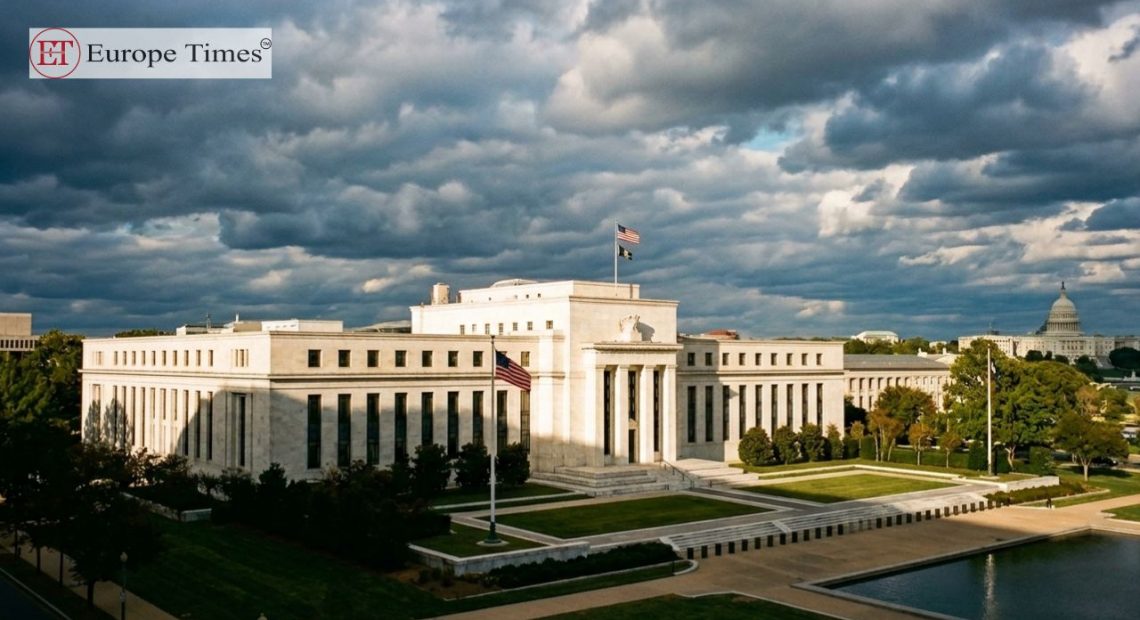
Incoming Federal Reserve Chair Kevin Warsh has unsettled global central bankers by suggesting that the Fed’s independence may not fully extend to its international crisis-fighting duties. During his Senate confirmation hearing, Warsh proposed that outside of setting interest rates, the Fed should coordinate closely with the White House and Congress. This has sparked concerns among international peers that political interference could delay vital dollar liquidity facilities during future financial crises.

While policymakers expect no immediate policy overhauls due to Warsh’s deep institutional experience, they warn that a less reliable U.S. central bank could backfire. The Fed’s standing liquidity tools protect the American economy by preventing foreign banks from dumping U.S. Treasury bonds during market stress. Restricting access to these critical dollar lifelines could trigger severe market turbulence and ultimately harm the U.S. financial system itself.

A retreat from the Fed’s role as a global backstop could also accelerate the U.S. dollar’s 15-year decline in global market share. While a less dependable greenback might theoretically boost the euro, financial experts note that Europe’s current financial architecture is not yet equipped to absorb such a shift. Ultimately, analysts and peers emphasize that despite contingency planning, there is no viable alternative to the Fed as the world’s dollar lender of last resort.

Pic courtesy: google/ images are subject to copyright