featured News Trending

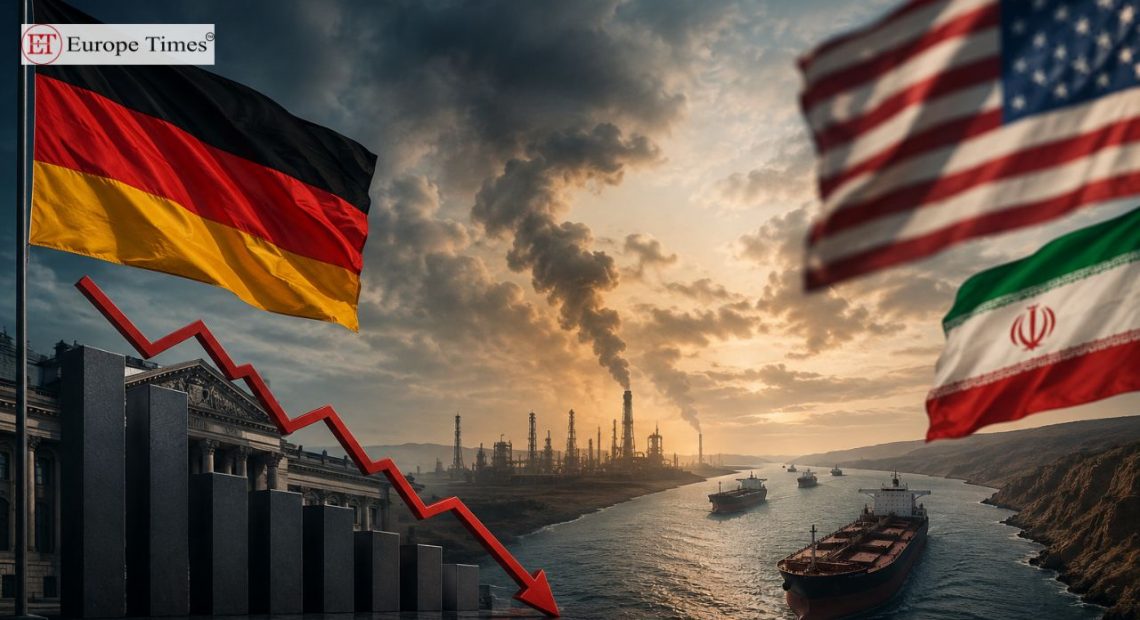
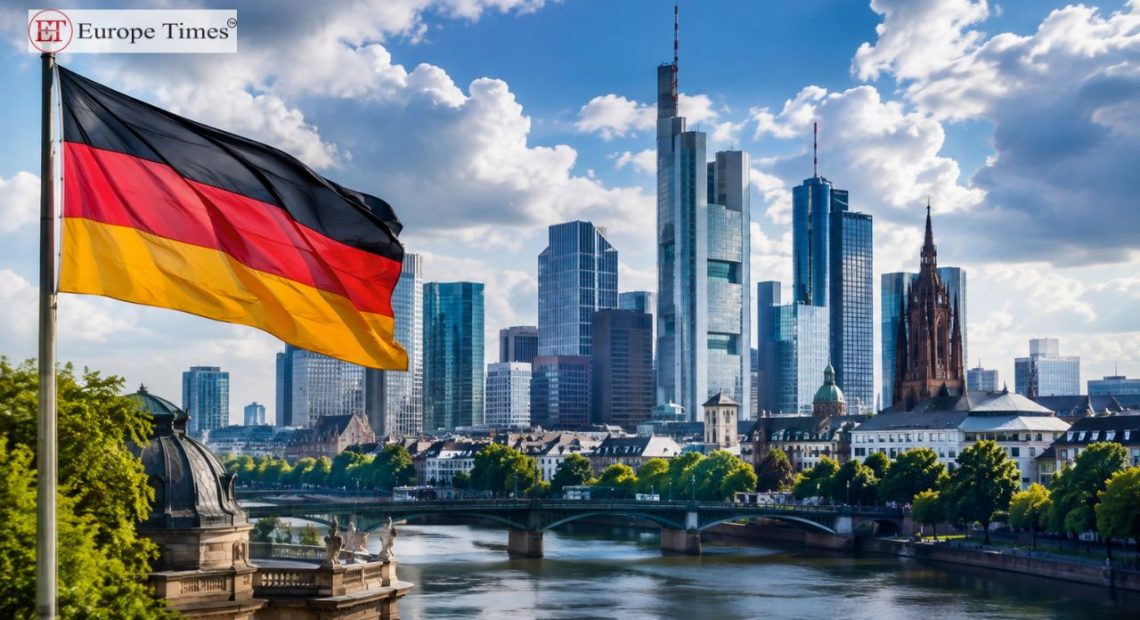
Germany’s finance minister Lars Klingbeil has blamed former US President Donald Trump’s “irresponsible war in Iran” for a sharp decline in Germany’s expected tax revenues. Speaking in Berlin, he said the conflict had triggered a “global energy shock,” contributing to weaker economic performance. German authorities have cut projected tax revenues for 2026–2030 by about €70 billion, citing the impact of rising energy costs and global instability.

The comments come amid growing diplomatic tension between Berlin and Washington. Chancellor Friedrich Merz has previously criticized US strategy in Iran, prompting backlash from Trump, who accused German leadership of mismanaging the economy and energy policy. The exchange has further strained already fragile transatlantic relations, with both sides trading criticism over the handling of the conflict and its global consequences.

The war between the US-Israel alliance and Iran, which began in late February, has disrupted global energy markets, particularly through threats to the Strait of Hormuz, a key route for oil and LNG shipments. Although a ceasefire is in place and negotiations continue, uncertainty remains as talks stall and trade disruptions persist, adding pressure to already stagnant European economies like Germany.

Pic courtesy: google/ images are subject to copyright

featured News Trending

Oil prices have climbed to their highest level since 2022 following reports that the US military is preparing to brief President Donald Trump on new options related to the Iran conflict. Brent crude jumped nearly 7%, briefly surpassing $126 per barrel, driven by concerns over potential military action and worsening geopolitical tensions in the region.

The rise comes as peace talks appear stalled and the crucial Strait of Hormuz remains effectively closed, disrupting global energy supplies. Reports suggest possible US plans include targeted strikes on Iranian infrastructure or efforts to secure the waterway for shipping. Even the possibility of escalation has triggered strong reactions in oil markets, given the strait’s importance for global energy transport.

Higher crude prices are already impacting fuel costs and raising concerns about inflation worldwide. Analysts warn that sustained price increases could have wide-ranging economic effects, influencing everything from transport costs to consumer prices. Meanwhile, global stock markets showed signs of strain, reflecting growing uncertainty over the conflict and its impact on energy supply chains.

Pic courtesy: google/ images are subject to copyright

featured News Trending

Germany’s central bank, the Deutsche Bundesbank, said the country’s economy likely recorded modest growth in the first quarter, supported by solid industrial output and resilient services activity. Despite weakening consumer confidence toward the end of the quarter, exports and business-related services helped sustain overall momentum.

However, the outlook for the second quarter remains fragile as the ongoing Iran conflict begins to weigh more heavily on Europe’s largest economy. The war has pushed up energy prices, disrupted supply chains, and increased uncertainty, all of which are expected to dampen growth. The Bundesbank cautioned that only slight expansion is likely in the near term, even as government spending aims to support recovery.

Rising fuel costs have already eroded household purchasing power, weakening private consumption further. In addition, softer global demand and cautious business sentiment are expected to impact exports and investment. While fiscal measures may provide some support, escalating geopolitical risks continue to pose significant challenges to Germany’s economic outlook.

Pic courtesy: google/ images are subject to copyright

featured News Trending

A European Central Bank policymaker has warned that inflation expectations in the euro zone could climb faster than previously seen, urging the ECB to remain ready to raise interest rates if price pressures persist. Dimitar Radev said rising energy costs linked to the Iran conflict have pushed inflation above the ECB’s 2% target, increasing risks that higher prices could spread across the broader economy.

Radev noted that the balance of economic risks has shifted in an unfavorable direction, with the likelihood of a more adverse scenario increasing due to ongoing uncertainty and energy market disruptions. Policymakers are concerned that consumers and businesses, still influenced by the inflation surge following Russia’s invasion of Ukraine, may quickly adjust wage and pricing behavior, potentially triggering a self-reinforcing inflation cycle.

While inflation expectations remain broadly anchored and no strong second-round effects are visible yet, the ECB cannot assume stability will continue, Radev said. Financial markets already expect multiple rate hikes this year, though it remains too early to determine whether action will come at the April meeting. The ECB will closely monitor wages, energy prices, economic sentiment, and the duration of geopolitical tensions before making policy decisions.

Pic courtesy: google/ images are subject to copyright

featured News Trending

Inflation increased to at least 2.5% across four German states in March, driven largely by rising energy prices linked to the ongoing U.S.-Israeli conflict with Iran. In North Rhine-Westphalia, Germany’s most populous state, annual inflation climbed to 2.7% from 1.8% in February. Similar increases were recorded in Bavaria, Baden-Wuerttemberg and Lower Saxony, signalling a likely nationwide rise in inflation figures expected later in the day.

Economists surveyed by Reuters predict Germany’s harmonised inflation rate will reach 2.8% in March, up from 2.0% the previous month. Analysts warn that while energy costs are currently the main driver, broader price increases may follow. Berenberg Bank chief economist Holger Schmieding said higher transport costs and potential fertiliser shortages could push food prices higher, with inflation possibly exceeding 3% if the conflict continues.

A survey by the Ifo institute showed German companies increasingly expect to raise prices due to rising production and transport expenses. The data comes ahead of eurozone inflation figures, with markets anticipating further monetary tightening by the European Central Bank. Investors now expect up to three interest rate hikes this year as policymakers respond to mounting inflation pressures.

Pic courtesy: google/ images are subject to copyright

featured News Trending

British Finance Minister Rachel Reeves will urge G7 counterparts to avoid unilateral trade measures while the Iran war continues, warning that such actions could threaten global energy security. Speaking at a meeting with finance and energy ministers, she stressed that collective action is crucial to maintain resilience and avoid shifting pressure onto partners.

Reeves emphasized that protectionism and new trade barriers could disrupt supply chains, raise costs, and exacerbate the economic fallout from the conflict. She called for cooperation to ensure the flow of energy and goods and to help reduce bills over time.

The ongoing war in Iran, initiated by the U.S. and Israel on February 28, has already caused thousands of casualties and triggered unprecedented disruptions to global energy markets, affecting economies worldwide.

Pic courtesy: google/ images are subject to copyright

featured News Trending

Foreign ministers of the G7 nations have called for an immediate halt to attacks on civilians and civilian infrastructure amid the ongoing Iran war, following a high-level meeting in France. In a joint statement, the ministers stressed the urgent need to reduce harm to civilian populations and protect critical infrastructure affected by the conflict.

The leaders highlighted the importance of coordination and global partnerships to limit the wider impact of the war, including disruptions to energy, trade, fertilizer supplies, and global supply chains. They warned that continued instability could trigger economic shocks and affect countries far beyond the conflict region.

The G7 also emphasized the need to ensure safe and uninterrupted navigation through the Strait of Hormuz, a key global energy route, while reaffirming their commitment to regional stability and international cooperation. The group includes the United States, Britain, Canada, France, Germany, Italy, Japan, and the European Union.

Pic courtesy: google/ images are subject to copyright

featured News Trending

German Chancellor Friedrich Merz has expressed doubts about whether the military actions by United States and Israel against Iran will achieve lasting success. Speaking at a conference in Berlin, Merz said he was unconvinced that there was a clear endgame to the conflict, which began with joint strikes on February 28 and has since escalated across the region.

Iran has responded with attacks on Israeli territory, U.S. bases, and Gulf states, while also disrupting vital oil shipments through the Strait of Hormuz. European countries, including Germany, have largely avoided direct involvement, a stance that has reportedly frustrated U.S. President Donald Trump. Merz emphasized ongoing diplomatic efforts through the G7 and regional talks but admitted limited influence over Israeli decisions.

Merz also clarified that the conflict is not a mission for NATO, noting he conveyed this position in a recent call with Trump. While Germany may consider future roles such as securing maritime routes or clearing mines in the Strait of Hormuz, he stressed that any such involvement would depend on international approval and would only be considered after hostilities end.

Pic courtesy: google/ images are subject to copyright

featured News Trending

The ongoing Iran conflict has begun to impact tourism in Cyprus and Greece, with rising cancellations and a slowdown in new bookings ahead of the crucial summer season. The situation escalated after military strikes in late February and subsequent counterattacks, including a drone strike near a British base in Cyprus, triggering concerns among travellers and leading to a sharp drop in visitor interest.

In Cyprus, cancellations for short-term rentals surged dramatically, at one point reaching nearly 100% in the days following the escalation, before easing to around 45% by late March. The country’s hospitality sector has reported significant declines in bookings for March and April, prompting the central bank to cut its 2026 economic growth forecast. Airlines and travel operators have also noted reduced demand, with tourists shifting preferences to destinations like Spain.

Greece has also seen a slowdown, particularly in pre-bookings, although the impact has been less severe. Major carriers report declining demand from key markets such as Israel and Gulf countries, while tourism officials remain cautiously optimistic. Industry stakeholders warn that if the uncertainty continues into peak summer months, it could pose a serious risk to economies heavily reliant on seasonal tourism.

Pic courtesy: google/ images are subject to copyright

featured News Trending

British travellers are rebooking Easter holidays away from Dubai and other Middle Eastern destinations due to the ongoing Iran war and travel disruptions across the region. Airlines such as British Airways have temporarily suspended flights to Dubai, Bahrain, Tel Aviv, and Amman, prompting holidaymakers to seek “reassuring” alternatives that avoid regional instability.

This shift has driven a surge in bookings to destinations in Spain, Portugal, Italy, the Caribbean, Mauritius, and the US. Popular European spots like the Balearic and Canary Islands, Tuscany in Italy, and Cape Verde have seen notable increases in demand, while flights to these regions are filling faster than last year. Travel firms note that affordability and easy access are key factors in holidaymakers’ destination choices.

Meanwhile, countries closer to the Middle East, including Turkey, Cyprus, Egypt, and parts of Greece, have experienced a slowdown in bookings. Rising jet fuel prices and potential fare hikes due to the conflict are expected to impact travel costs, but experts believe holiday demand will remain strong for safe, warm-weather locations far from geopolitical tensions.

Pic courtesy: google/ images are subject to copyright