
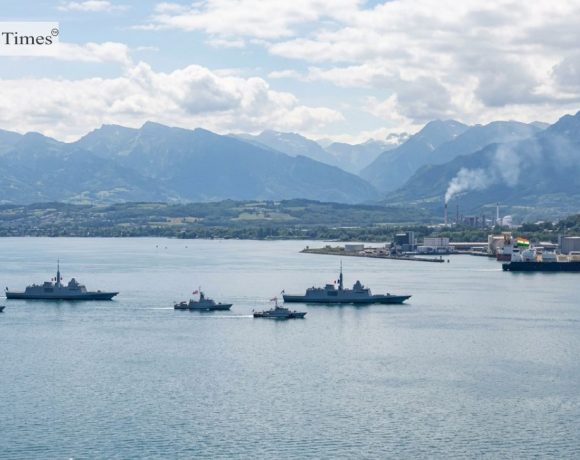
At the G7 summit in Evian-les-Bains, France, European leaders are preparing to confront U.S. President Donald Trump over his preliminary peace deal with Iran and his current strategy regarding the war in Ukraine. While Trump arrived buoyed by an interim agreement aimed at ending the broader Middle East conflict—with a formal signing targeted for Friday—European allies fear the deal is superficial. They warn that a weak agreement risks entrenching Tehran’s nuclear and ballistic missile programs, and France, Britain, and Germany are pushing for a direct role in the upcoming 60-day negotiation window to ensure a more robust framework than what an inexperienced U.S. team might secure.
Concurrently, the summit serves as a critical battleground for reshaping the Russia-Ukraine diplomatic narrative. European diplomats are attempting to convince Trump that past U.S. peace proposals have leaned too heavily in Moscow’s favor. Leaders like European Commission President Ursula von der Leyen emphasized that Ukraine has strengthened its domestic military production and successfully struck strategic targets deep inside Russia, arguing that Vladimir Putin’s war economy is highly strained under sanctions. European nations want to signal an openness to talks with Putin, but insist that stricter sanctions and increased military support for Kyiv must remain on the table to show that Moscow is the party blocking peace.
The security of global energy supplies is also a dominant focus of the summit’s agenda, particularly regarding the safe reopening of the Strait of Hormuz. French President Emmanuel Macron announced that European leaders, alongside representatives from the UAE, Qatar, and Egypt, will discuss a potential Franco-British-led maritime mission and alternative energy routes to bypass the volatile waterway. While Trump confidently stated that the strait would be “completely open” by Friday, European policymakers remain cautious, balancing their immediate energy security anxieties against Ukrainian President Volodymyr Zelenskiy’s concerns that the Middle East crisis is dangerously diverting American attention and resources away from the four-year war in Europe.
Pic courtesy: google/ images are subject to copyright