
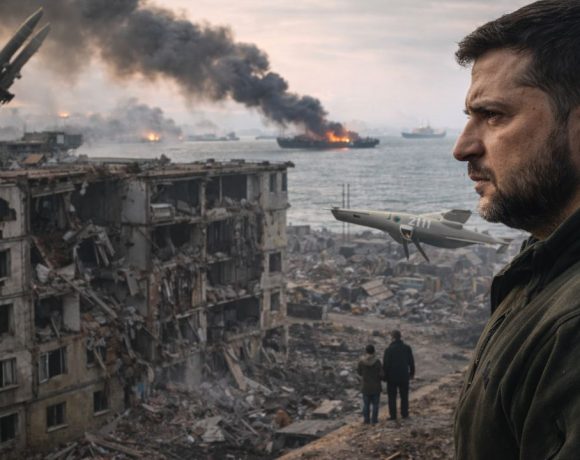
Ukrainian President Volodymyr Zelensky has cautioned that escalating conflict in the Middle East could undermine Ukraine’s ability to secure vital air defence systems as it battles Russia’s invasion. He warned that allies, particularly the United States, might divert critical weapons such as Patriot missile systems to protect their own interests or support partners in the Gulf. Zelensky also expressed concern that global attention could shift away from Ukraine, risking reduced political and military backing at a crucial stage of the war.
Kyiv fears that soaring demand for interceptor missiles in the Gulf could create shortages and drive up costs worldwide, complicating Ukraine’s efforts to defend its skies from Russia’s nightly drone and missile strikes. Zelensky recalled that during previous tensions involving Iran, deliveries of air defence systems to Ukraine slowed. At the same time, he acknowledged a potential upside: strikes on Iranian military facilities could limit Tehran’s capacity to supply drones and missiles to Russia, although Moscow now produces modified Shahed drones domestically.
Analysts suggest Russia could benefit from rising global oil prices triggered by instability in the Gulf, potentially strengthening its war finances. Some argue President Vladimir Putin is carefully avoiding deeper involvement in the Middle East to maintain relations with Washington and gain leverage in negotiations over Ukraine. In Kyiv, however, concerns are mounting that prolonged conflict elsewhere may deepen war fatigue among allies, adding to a sense of uncertainty and strain as Ukraine enters another year of full-scale war.
Pic courtesy: google/ images are subject to copyright