featured News Trending

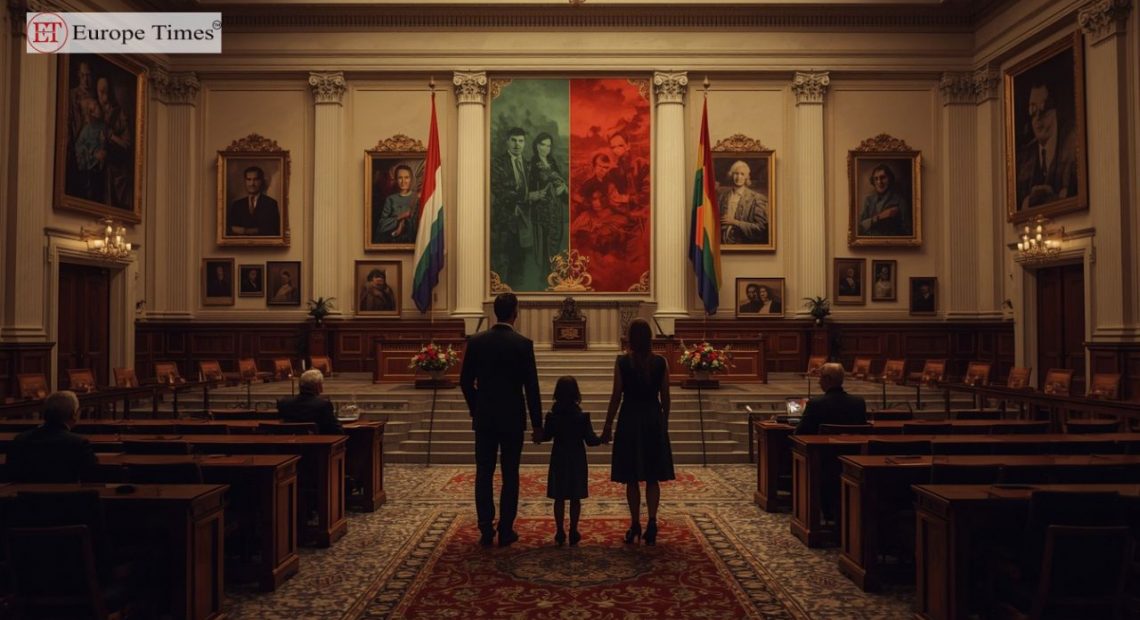
The European Court of Justice has ruled that Hungary’s anti-LGBTQ legislation violates European Union law and core values, marking an unprecedented legal decision. The law, introduced in 2021 under Viktor Orbán, banned the “promotion” of homosexuality and gender change to minors. The court found that it breached fundamental rights, including non-discrimination, freedom of expression, and respect for private and family life, while also undermining the EU’s founding principles under Article 2.

Judges said the legislation stigmatized LGBTQ individuals and unfairly linked them to criminal behavior, damaging equality and pluralism within the bloc. The ruling comes shortly after Hungary’s recent election, which ended Orbán’s long tenure and brought Péter Magyar to power. His party now holds a strong parliamentary majority, raising expectations for policy changes and closer alignment with EU standards.

The European Commission has indicated it will push the new government to comply with the judgment and repeal the law. Analysts say the decision could have broader implications across the EU, reinforcing that member states cannot violate both the legal framework and the underlying values of equality, human rights, and rule of law.

Pic courtesy: google/ images are subject to copyright

featured News Trending

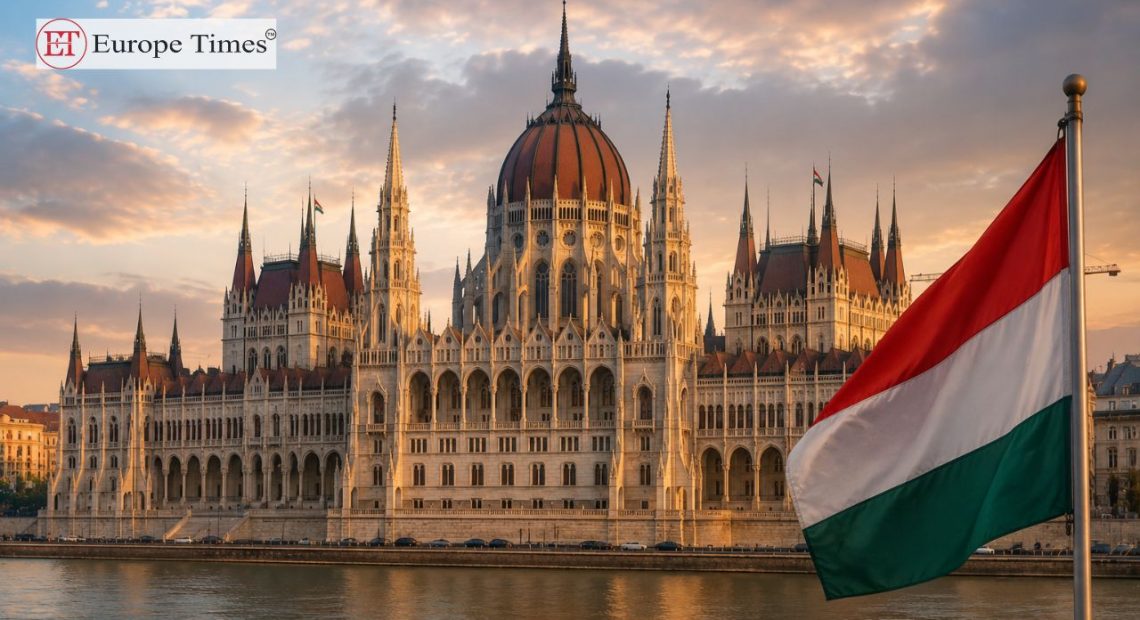
Hungary is set for a major political shift after Péter Magyar and his Tisza party secured a sweeping victory, ending Viktor Orbán’s 16-year rule. Winning 52% of the vote and a two-thirds parliamentary majority, Magyar has moved quickly to accelerate the transition of power, with plans for parliament to convene in early May. His government is already outlining reforms, including curbing media influence and introducing term limits that could block Orbán from returning to office.

Orbán, who finally addressed the defeat days later, described it as “the end of an era” and accepted responsibility, though he offered little reflection on campaign failures. His Fidesz party suffered a dramatic drop in representation and now faces internal uncertainty, with no clear successor emerging. The loss has exposed growing dissatisfaction among voters, especially younger generations, and highlighted the challenges of maintaining support after years in power.

Magyar’s incoming administration is expected to act swiftly on anti-corruption measures, economic recovery, and restoring democratic institutions. Priorities include preventing capital flight, preserving evidence of alleged wrongdoing, and unlocking withheld EU funds by meeting governance standards. With Hungary’s economy struggling, the new leadership faces pressure to deliver rapid reforms while redefining the country’s direction both domestically and within Europe.

Pic courtesy: google/ images are subject to copyright

featured News Trending

Andrej Babiš has voiced strong support for Viktor Orbán ahead of Hungary’s parliamentary election, calling him the best choice for stability and national interests during uncertain times. Babiš praised Orbán’s stance on sovereignty and competitiveness, emphasizing the importance of experienced leadership amid ongoing geopolitical tensions.

Opinion polls suggest Orbán, who has led Hungary for over 16 years, faces a serious challenge from opposition leader Péter Magyar. Orbán’s tenure has been marked by frequent clashes with the European Union and relatively closer ties with Russia, making the upcoming election a significant political moment for the region.

Since returning to power, Babiš has aligned more closely with Orbán in European politics, including within their shared parliamentary grouping. His government has reduced support for Ukraine and taken positions that diverge from broader EU policies, while proposing reforms critics say could mirror Hungary’s approach to governance. Despite this, the Czech Republic continues to maintain a comparatively moderate stance on Russia.

Pic courtesy: google/ images are subject to copyright

featured News Trending

Hungary has vowed to block the European Union’s latest sanctions package against Russia and a proposed 90-billion-euro loan for Ukraine, escalating tensions ahead of the fourth anniversary of Moscow’s full-scale invasion. The dispute centres on the disruption of Russian oil supplies through the Druzhba pipeline, which Budapest and Slovakia say has undermined their energy security. Hungarian Prime Minister Viktor Orban has indicated that Hungary will withhold support for the measures until the issue is resolved.

EU foreign ministers meeting in Brussels urged Hungary to reconsider, warning that unity is crucial as the war drags on. Ukrainian President Volodymyr Zelenskiy, in an interview with the BBC, said Russian leader Vladimir Putin had “already started” World War Three and called for intensified global pressure on Moscow. Meanwhile, U.S.-led diplomatic efforts to broker peace have yet to yield a breakthrough, with recent talks in Geneva failing to produce progress.

The standoff comes as Russian drone strikes killed two people in Ukraine’s southern Odesa region, according to Ukrainian officials, while Kyiv claims it has regained control over parts of the southern frontline. Hungary and Slovakia have also warned they could halt emergency electricity exports to Ukraine if oil flows via Druzhba are not restored. The clash underscores deep divisions within the EU as it seeks to maintain pressure on Russia while managing internal political and energy challenges.

Pic courtesy: google/ images are subject to copyright

featured News Trending

Hungary’s nationalist Prime Minister Viktor Orban will face his strongest electoral challenge in 16 years when the country holds parliamentary elections on April 12. The vote is being closely watched across Europe, as Orban has been a key figure among far-right leaders and maintains close ties with U.S. President Donald Trump and Russia despite the Ukraine war.

Orban, who has ruled since 2010, has reshaped Hungary into what he calls an “illiberal democracy,” often clashing with the European Union over media freedom, migration and LGBTQ rights. His Fidesz party is campaigning on stability and security, promising to keep Hungary out of the Ukraine conflict and stop illegal migration, while also trying to revive an economy hit by high inflation and a cost-of-living crisis.

Challenging him is Peter Magyar, a former government insider whose Tisza party has surged since entering politics in 2024. Recent polls show Magyar ahead among decided voters, as he campaigns on fighting corruption, restoring EU ties and unlocking frozen European funds to boost the economy. With many voters still undecided, the election outcome remains uncertain and could reshape Hungary’s role in Europe.

Pic courtesy: google/ images are subject to copyright

featured News

Hungarian police have recommended that prosecutors file charges against Budapest’s liberal mayor, Gergely Karacsony, for his role in organising an LGBTQ+ rights march in June that evolved into a large anti-government demonstration. The June 28 march, originally planned as a Pride event despite a government ban, drew tens of thousands of people and became one of the biggest displays of opposition to Prime Minister Viktor Orban’s nationalist government. The Budapest Chief Prosecution Office confirmed it has received the police investigation documents but did not comment on whether charges will follow.

Karacsony, responding in a video message, said he was proud to defend the freedom of Budapest and was ready to face any legal consequences. He framed the event as an act of political courage aimed at safeguarding democratic rights in the capital. His attempt to classify the march as a municipal event—arguing it did not require a permit—was intended to bypass a new law passed in March that allowed the government to ban Pride marches under the banner of child protection.

Human rights advocates and opposition figures have criticised the Pride ban as part of a broader erosion of civil liberties under Orban, who faces a challenging election next year. Although police initially banned the event, citing the child protection law, the march proceeded peacefully and highlighted growing public resistance to government policies affecting the LGBTQ+ community and democratic freedoms.

Pic courtesy: google/ images are subject to copyright

featured News

Hungarian Prime Minister Viktor Orban has once again broken ranks with his EU and NATO partners by meeting Russian President Vladimir Putin in Moscow, just days before US-Russia discussions on the Ukraine war. Orban, one of Putin’s closest allies in Europe, has consistently opposed European efforts to isolate Russia, and his latest visit drew sharp criticism from EU leaders. Germany’s Chancellor Friedrich Merz said Orban was acting without any European mandate, calling his diplomacy “nothing new.”

During the meeting, Putin thanked Orban for offering Budapest as a venue for a potential Trump-Putin summit and praised Hungary’s “balanced position” on Ukraine. Hungarian Foreign Minister Peter Szijjarto said the visit secured guarantees for Russian oil and gas supplies and confirmed continued work on Hungary’s Paks nuclear plant. The atmosphere, however, appeared tense, with reports of awkward interactions and suggestions from Hungarian media of mistranslated remarks meant to paint a friendlier picture.

Orban, facing a tough parliamentary election next April, is seen as using these high-profile diplomatic moments to strengthen his political standing. He continues to champion Trump’s proposed peace plan for Ukraine while accusing EU leaders of warmongering. Despite pressure from Brussels to cut dependence on Russian energy by 2027, Hungary still relies heavily on Russian oil, gas, and nuclear fuel. As Putin openly supports Orban’s re-election, both leaders appear aligned in leveraging the visit for political advantage.

Pic Courtesy: google/ images are subject to copyright

featured News

President Donald Trump has granted Hungary a one-year exemption from US sanctions on Russian oil and gas imports, marking a diplomatic win for Hungarian Prime Minister Viktor Orban. The decision, confirmed by a White House official, follows Orban’s visit to Washington, where he argued that his landlocked nation faced severe energy supply challenges without Russian imports. Trump acknowledged Hungary’s unique position and noted the difficulty of finding alternative sources of oil and gas.

The exemption comes just weeks after the US imposed harsh sanctions on major Russian energy companies, warning of penalties for nations continuing trade with them. As part of the deal, Hungary agreed to purchase several hundred million dollars’ worth of US natural gas, though the arrangement is expected to unsettle many European capitals critical of Orban’s pro-Russia stance. The move underscores the close personal and political ties between Trump and Orban, who share similar right-wing populist views.

During their meeting, the two leaders also discussed the ongoing war in Ukraine, with Trump hinting at future peace talks involving Russian President Vladimir Putin. Orban reiterated his belief that Ukraine cannot win the conflict without a “miracle,” arguing that only the United States and Hungary genuinely seek peace. Despite tensions with the European Union, Trump praised Orban as a strong and pragmatic leader and urged Europe to accord him greater respect.

Pic Courtesy: google/ images are subject to copyright

News Trending

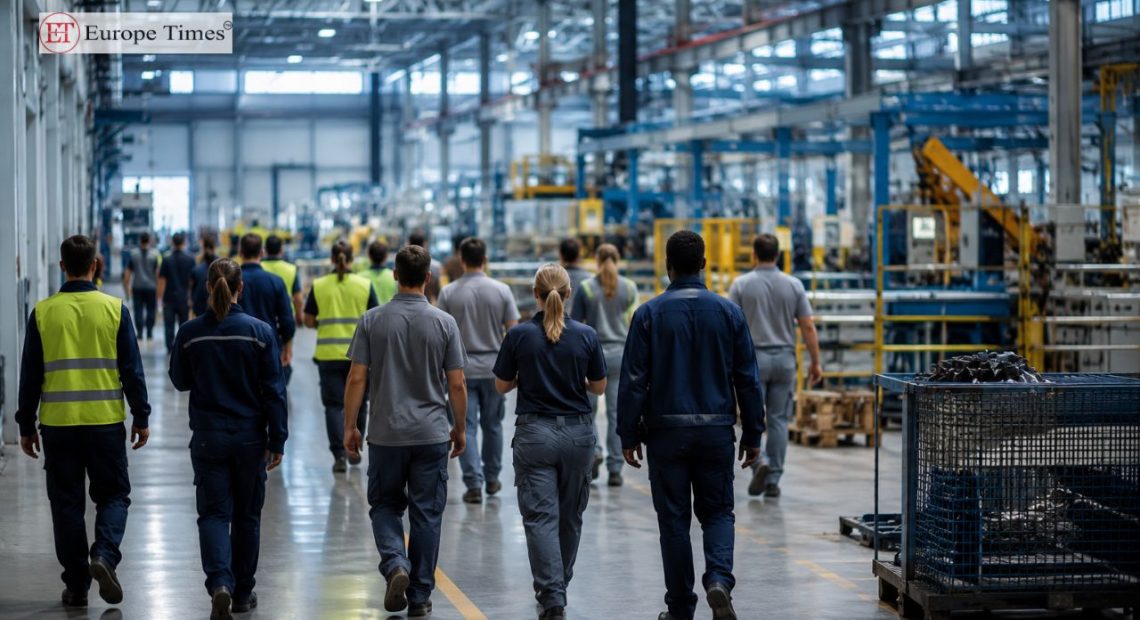
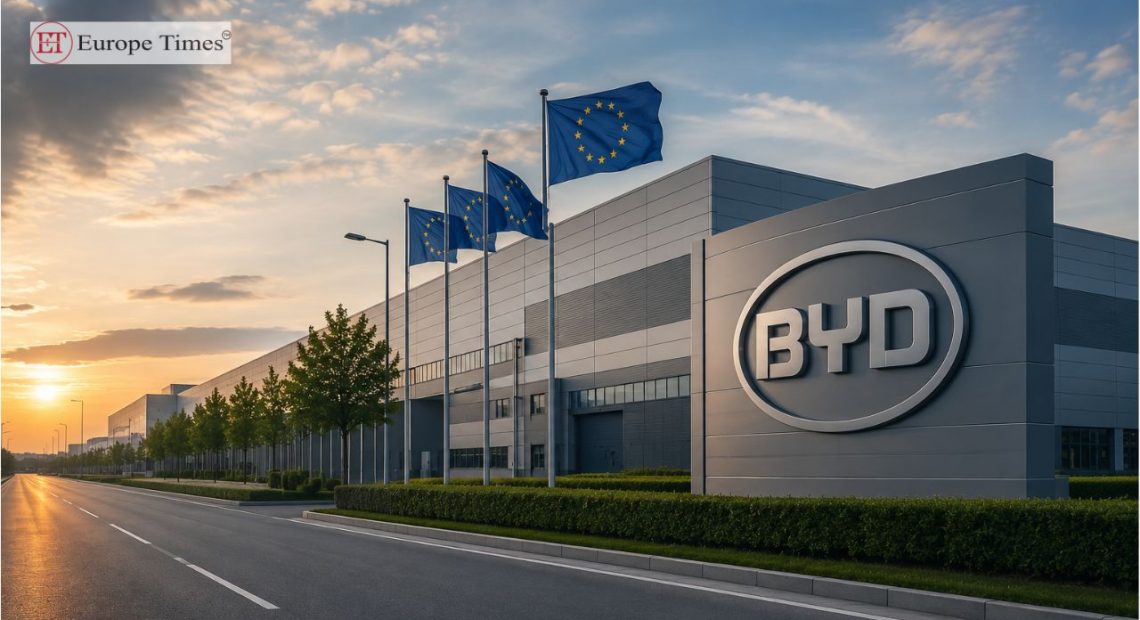
Hungary’s ambition in electric vehicle (EV) battery manufacturing has surged, with plans to become a significant player globally. Despite ranking third behind China and the US, Hungary aims to surpass the US soon, as articulated by Foreign Minister Peter Szijjarto during his visit to Beijing. This push aligns with Hungary’s broader strategy of strengthening economic ties with Eastern nations, particularly China and South Korea.

The influx of Chinese investment is evident, with numerous factories, including those of CATL and BYD, dotting the Hungarian landscape. However, this rapid industrial expansion has sparked environmental concerns and local opposition, particularly regarding water scarcity and potential health hazards. Critics worry that Hungary risks becoming overly reliant on foreign companies, potentially leading to stagnant domestic research and development.

The Hungarian government acknowledges these challenges, emphasizing the importance of not just attracting production but also integrating research efforts. Balazs Orban, from the Prime Minister’s Office, highlights the need to merge foreign investors’ research with Hungarian companies to ensure long-term economic sustainability. Despite the economic benefits of foreign investment, concerns persist regarding labor exploitation and Hungary’s evolving role in the global supply chain.

As Hungary’s industrial landscape transforms, balancing economic growth with environmental sustainability and domestic innovation remains a pressing concern. The government faces the delicate task of harnessing foreign investment while safeguarding Hungary’s long-term interests and preserving its environmental and social fabric.

Picture Courtesy: Google/images are subject to copyright

News Trending

Sweden has cleared the final obstacle to its NATO membership after Hungary’s parliament voted to ratify its bid, prompted by Russia’s invasion of Ukraine in 2022. Initially met with delays and accusations of hostility from Hungary, Sweden’s application gained traction as Prime Minister Viktor Orban signaled support, emphasizing solidarity between the two nations.

Prime Minister Ulf Kristersson hailed the parliamentary ratification as a historic milestone, marking a significant departure from Sweden’s longstanding policy of neutrality spanning two centuries. This decision reflects Sweden’s commitment to defending its values and interests within the framework of the NATO alliance.

NATO Secretary General Jens Stoltenberg lauded Hungary’s approval, emphasizing its role in strengthening and ensuring the security of the alliance. With parliamentary hurdles cleared, Sweden now awaits the formal invitation to join the 31-member NATO group, signaling a transformative shift in its defense posture and regional security dynamics.

Picture Courtesy: Google/images are subject to copyright