featured News

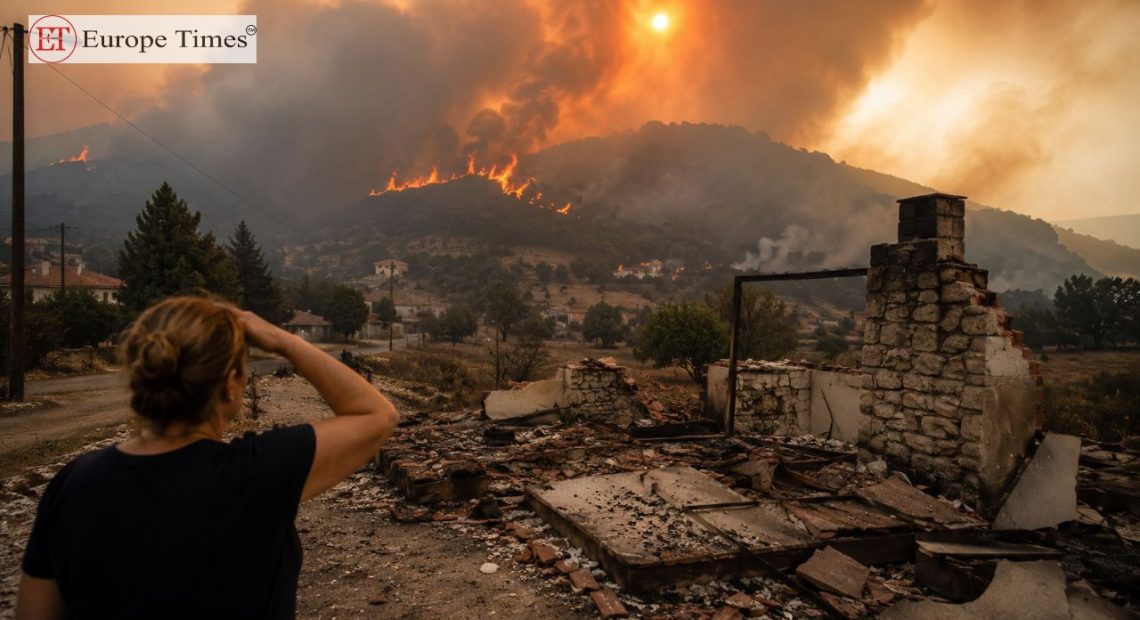
Greek farmers launched nationwide protests on Monday, shutting down Crete’s Heraklion airport, blocking roads and border crossings, and clashing with police over delays in European Union subsidy payments. Thousands of tractors and trucks created blockades in more than 20 locations, with air traffic disrupted after demonstrators forced their way onto the airport runway. Police used tear gas to disperse crowds as protesters threw rocks and damaged vehicles.

The unrest stems from a funding shortfall of about 600 million euros in EU aid, worsened by a corruption scandal involving fake land-ownership claims to secure subsidies. Ongoing audits have slowed payments, leaving farmers without financial support while battling climate-related crop losses and a sheep pox outbreak that has already led to mass culling of livestock. Farmers say honest producers are suffering while those who cheated the system have yet to be punished.

Prime Minister Kyriakos Mitsotakis urged farmers to end the blockades, promising dialogue and reaffirming a government plan to distribute 3.7 billion euros this year. However, protesters remain unconvinced, continuing to obstruct border checkpoints with Bulgaria and Turkey and targeting ports across the country, including Mytilene and Volos, as they demand justice and immediate payouts.

Pic courtesy: google/ images are subject to copyright

featured News

Two dozen aid workers went on trial in Greece on Thursday, accused of migrant smuggling and money laundering, in a case that human rights groups have condemned as an attempt to criminalize humanitarian aid. The defendants, linked to the Emergency Response Center International (ERCI), operated on Lesbos between 2016 and 2018, rescuing refugees crossing the Aegean Sea. Among those on trial are Syrian refugee Sarah Mardini, whose 2015 rescue efforts inspired the Netflix film The Swimmers, and German volunteer Sean Binder.

The trial comes amid tightened migration rules in Greece and across the EU, as right-wing parties gain influence. Greece has reinforced border controls since 2019 and temporarily suspended processing asylum applications for some arrivals. Under a 2021 law, aiding migrants may now be treated as facilitating illegal entry or participating in a criminal enterprise, putting volunteers like those at ERCI at legal risk.

Human rights organizations have criticized the trial, calling it baseless and lacking evidence. Human Rights Watch stated that saving lives at sea has been mischaracterized as smuggling, and that the group’s legitimate fundraising has been unfairly labeled as money laundering. Defense lawyers argue that the verdict will determine whether humanitarian aid is judicially protected or left vulnerable to arbitrary prosecution.

Pic courtesy: google/ images are subject to copyright

featured News

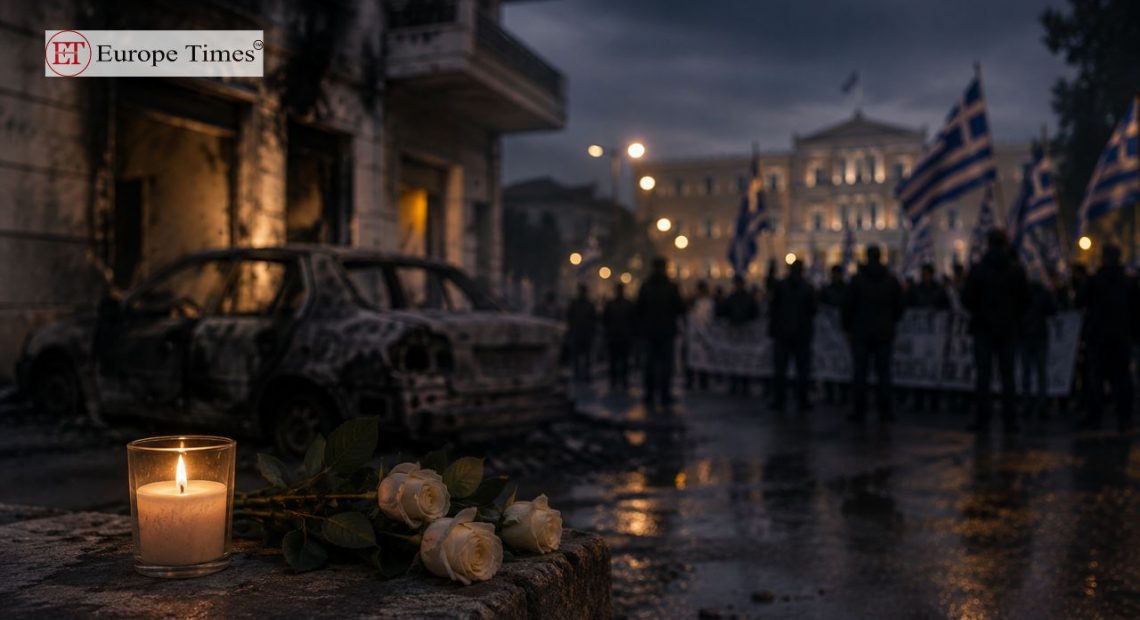
Thousands of people marched through Athens on Monday to commemorate the 1973 Athens Polytechnic uprising, the student-led revolt that played a key role in ending Greece’s military dictatorship. The annual march, which traditionally heads to the U.S. embassy — a symbolic location due to perceptions of American support for the junta — once again became a platform for wider political expression and dissent. At the front of the procession, students carried the iconic blood-stained Greek flag from the original uprising.

Participants paused outside the Greek Parliament to sing the national anthem in tribute to the victims of the 2023 train disaster, a tragedy that continues to fuel public anger over state failures. Demonstrators later reached the U.S. embassy, heavily guarded by police buses, where many carried carnations and banners reading “Resistance,” and some voiced solidarity with Palestinians. Authorities deployed nearly 5,000 officers across the city, detaining more than 30 people ahead of the march and arresting 11.

Earlier in the day, crowds gathered at the Athens Polytechnic to lay wreaths and carnations at the historic site where army tanks crushed the student revolt on November 17, 1973, killing dozens. The uprising is widely seen as the turning point that hastened the fall of the military regime. Many young participants said the message of the revolt — defending democracy and rights — remains deeply relevant today amid debates over new labour laws and government policies.

Pic Courtesy: google/ images are subject to copyright

featured News

Ukraine will begin importing US liquefied natural gas through Greece this winter, using the Trans-Balkan pipeline to help stabilise its energy supply amidst ongoing Russian attacks. The announcement followed a meeting in Athens between Ukrainian President Volodymyr Zelensky and Greek Prime Minister Kyriakos Mitsotakis, who emphasised Greece’s growing role in supplying American LNG to reduce regional dependence on Russian gas.

Zelensky said the first deliveries are expected in January, noting that Ukraine urgently needs external supplies to offset the damage inflicted on its domestic gas infrastructure. Kyiv has allocated close to €2bn—backed by European Commission guarantees and bank financing—to secure gas imports through March. The deal comes as the EU pushes toward a complete halt of Russian gas imports by 2027.

During his European tour, Zelensky also met French President Emmanuel Macron and signed a letter of intent for Ukraine to potentially acquire up to 100 Rafale fighter jets, along with air defence and radar systems. The visit highlighted Ukraine’s dual battlefronts—strengthening its military capabilities while preparing for a harsh winter as Russia intensifies attacks on energy facilities and multiple regions report continued casualties.

Pic Courtesy: google/ images are subject to copyright

featured News

Nottingham Forest owner and Olympiacos chief Evangelos Marinakis has gone on trial in Athens, accused of instigating football-related violence and supporting a criminal organisation. The 58-year-old, along with four Olympiacos board members, faces two misdemeanour charges connected to alleged actions between 2019 and 2024. Marinakis, who was represented by his lawyer in court, has strongly rejected the allegations as entirely unfounded.

The case centres on violent clashes outside a women’s volleyball match between Olympiacos and Panathinaikos in 2023, during which 31-year-old riot police officer George Lyngeridis was fatally injured by a flare and later died in hospital. A total of 142 fans are charged with participating in a criminal organisation and causing life-threatening explosions during sporting events, while seven individuals are accused of leading the group. All defendants have denied wrongdoing.

The first day of the trial took place in a specially prepared room next to Korydallos high-security prison due to the large number of defendants and witnesses expected—more than 200 in total. Security was tight, with heavy police presence, ID checks and media restrictions. Proceedings began late but moved swiftly as judges confirmed the attendance of defendants and witnesses. The high-profile trial is expected to last several months, with the next hearing scheduled for 25 November.

Pic Courtesy: google/ images are subject to copyright

featured News

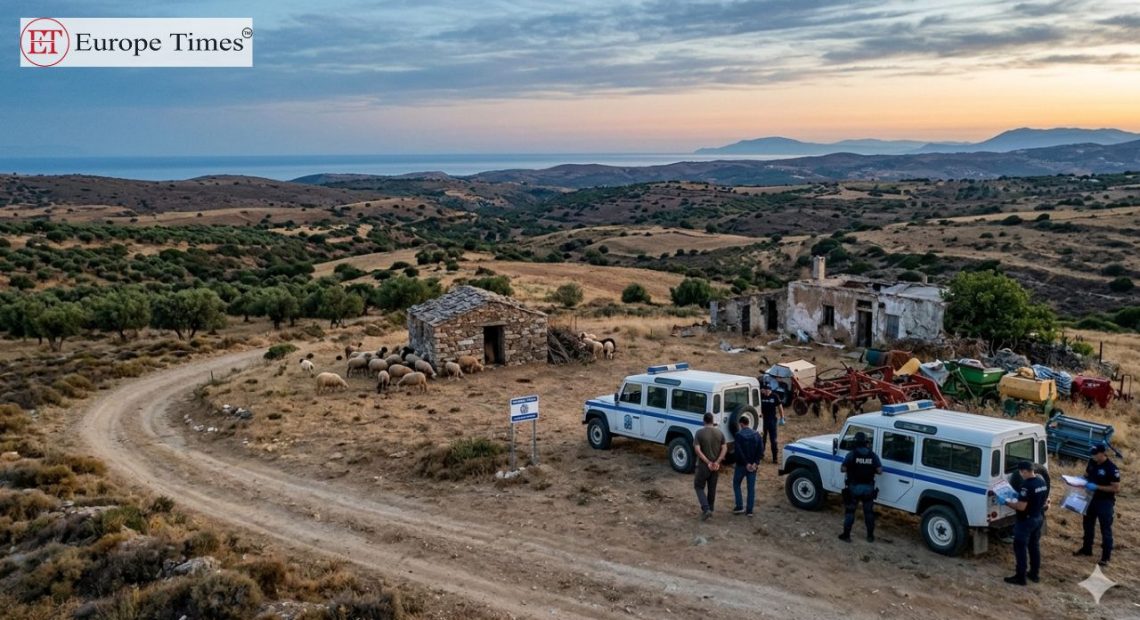
Greece has imposed a nationwide ban on the transportation of sheep and goats to contain an outbreak of the highly contagious disease known as “goat plague.” The agriculture ministry announced that the movement of these animals for breeding, fattening, and slaughter is prohibited across the country. New cases of the virus, known as Peste des Petits Ruminants (PPR), have been identified in the central Larissa region and southern Corinth, where it can kill between 80% and 100% of infected animals, although it does not pose a threat to humans.

In a statement on Monday, the Greek agriculture ministry emphasized that this ban aims to limit the spread and eradicate the disease. They have informed livestock farmers, cheesemakers, slaughterhouse operators, and feed suppliers about the new restrictions. Over the weekend, ministry officials conducted urgent meetings with local authorities in the affected regions. An investigation is underway to trace the source of the outbreak, including the possibility of “suspicious imports” from abroad.

Greece is coordinating with the EU and the veterinary services of member states, as EU regulations dictate that an entire flock must be culled upon confirmation of a PPR case, followed by disinfection of the affected farm. Since the disease was first identified in Greece on July 11, at least 7,000 animals have already been culled. Greece holds the highest population of goats in Europe, and goat and sheep milk is essential for producing feta cheese, a key Greek product. PPR was first reported in Ivory Coast in 1942 and has since spread worldwide.

Picture Courtesy: Google/images are subject to copyright

News Trending

Michael Mosley, the well-known British broadcaster, has gone missing during his holiday on the Greek island of Symi. He was last seen on Wednesday when he set off on a walk to the island’s center. Despite initial search efforts, he has not been found. The search involves 25 people, including police, volunteers, and firefighters, along with a helicopter and drones. Mosley’s wife reported him missing after he left for his walk, leaving his phone behind. Efforts to locate him have expanded to include assistance from the Greek fire department and the use of CCTV footage.

The search has focused on the Pedi area of Symi, with divers now being deployed to investigate the possibility of Mosley having fallen into the sea. Local officials express concern, especially given the challenging conditions of the area and the hot weather, with temperatures exceeding 40°C. Despite efforts, there’s been no sign of Mosley, leaving many worried about his safety.

Mosley, known for his work on various BBC programs and his advocacy for intermittent fasting diets, was on holiday with his wife Clare, who is also a doctor. The Foreign Office is providing support to the family, and colleagues and friends have expressed their concern and hopes for his safe return.

Picture Courtesy: Google/images are subject to copyright

News Trending

Greece has recently made headlines by becoming the first Christian Orthodox-majority nation to legalize same-sex marriage and allow same-sex couples to adopt children. The decision, which followed a parliamentary vote of 176-76, marks a significant milestone in the nation’s history.

However, the move has not been without controversy, as it has sparked division within the country, particularly with opposition led by the Orthodox Church. The Church views the measure as a threat to social cohesion and has been vocal in its resistance against the legalization of same-sex marriage.

Despite the opposition, Prime Minister Kyriakos Mitsotakis championed the bill, emphasizing its importance in abolishing inequality. Mitsotakis secured the necessary support from opposition parties to pass the bill, highlighting the collaborative effort required to enact this historic legislation.

The decision to legalize same-sex marriage and allow same-sex couples to adopt children has been celebrated by LGBTQ organizations in Greece as a significant step towards equality and inclusivity. It represents a turning point in the nation’s stance on LGBTQ rights, bringing Greece closer to its European counterparts that have already embraced marriage equality.

Picture Courtesy: Google/images are subject to copyright

News Trending

A former employee opened fire at a shipping company’s office near Athens, resulting in the deaths of three individuals. Reports indicate that the gunman, identified as a 70-year-old Egyptian national, fatally shot two men and a woman, including the company owner, before taking his own life with a hunting rifle. The incident, which began with the armed man entering the building and firing at employees, led to a hostage situation in Glyfada, a location about 12km south of Athens.

Despite efforts by police negotiators to resolve the standoff, the gunman ultimately ended his own life. Shootings are uncommon in Greece, which maintains strict gun possession laws, and this event has shocked the community. Glyfada is home to numerous Greek and international shipping companies, including European Product Carriers, which owns a significant fleet of vessels including oil tankers.

Eyewitnesses described the terrifying ordeal, with one company worker recalling hearing the gunshots and fleeing for safety upon learning about the attacker. The tragic incident underscores the potential risks and consequences of workplace violence, prompting reflection and concern within both the local and international shipping community. The authorities continue to investigate the motive behind the attack and any potential lapses in security measures that may have contributed to its occurrence.

Picture Courtesy: Google/images are subject to copyright

News Trending

The Palace of Aigai, a significant monument in classical antiquity where Alexander the Great was crowned king, has reopened after a 16-year restoration near Greece’s northern port city of Thessaloniki. Built over 2,300 years ago by Philip II, Alexander’s father, the palace was later destroyed by the Romans and rediscovered in the 19th Century through excavations.

The extensive €20m restoration, with support from the EU, includes the refurbishment of massive colonnades. Greek Prime Minister Kyriakos Mitsotakis, at the reopening ceremony, emphasized the global importance of the monument, which will be open to the public starting Sunday.

The Palace of Aigai, located near the present-day town of Vergina, served as the capital of the powerful kingdom of Macedonia. Constructed by Philip II, the palace was the largest building in classical Greece, covering 15,000 square meters. It boasted expansive banquet halls, places of worship, and courtyards. In 336BC, Alexander the Great was crowned King of the Macedonians at this site after his father’s assassination. The palace, along with the nearby tombs of Philip and other Macedonian kings, is designated as a UNESCO World Heritage Site, reflecting its historical significance.

Picture Courtesy: Google/images are subject to copyright