featured News Trending

Pope Leo XIV will travel to Spain from June 6–12, marking his first visit to a European Union country outside Italy since becoming pontiff. As part of the trip, he will visit the Canary Islands—a major entry point for migrants crossing dangerous Atlantic routes to Europe.

During his time on Tenerife and Gran Canaria, the pope is expected to meet migrants and humanitarian organizations supporting them. The visit comes amid growing concern over migration, with thousands losing their lives attempting the journey, and as Spain rolls out a mass amnesty program for undocumented immigrants under Prime Minister Pedro Sánchez.

The tour will also include stops in Madrid and Barcelona, where the pope will meet King Felipe VI and Queen Letizia, and inaugurate a new tower of the iconic Sagrada Familia. The visit highlights his increasingly vocal stance on global issues, particularly migration and humanitarian concerns.

Pic courtesy: google/ images are subject to copyright

News Trending

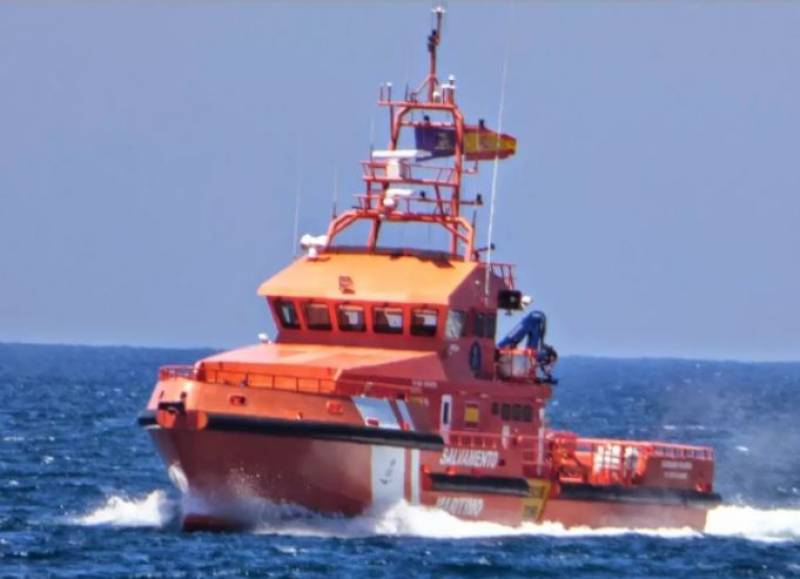
The Spanish coast guard has located a boat carrying around 200 migrants that went missing over a week ago. The boat was found 71 miles south of Gran Canaria, and a coast guard vessel has been dispatched for rescue operations.

The fishing boat had departed from a coastal town in southern Senegal, approximately 1,700km away from Tenerife, with 200 people on board, including many children. Two other similar boats carrying additional migrants are also reported missing, with limited information available. This brings the total number of people missing across the three boats to over 300.

The route from West Africa to the Canary Islands is known to be perilous, and last year alone, at least 559 people died attempting to reach the Spanish islands. The exact number of departures and shipwrecks often goes unreported. The migrants attempting this route typically come from countries such as Morocco, Mali, Senegal, the Ivory Coast, and other sub-Saharan nations.

Despite a decrease in the number of unauthorized arrivals in the Canary Islands in 2022 compared to the previous year, the route remains dangerous, and the International Organization for Migration (IOM) emphasizes that the flows are still high compared to previous years.

Picture Courtesy: Google/images are subject to copyright