featured News Trending

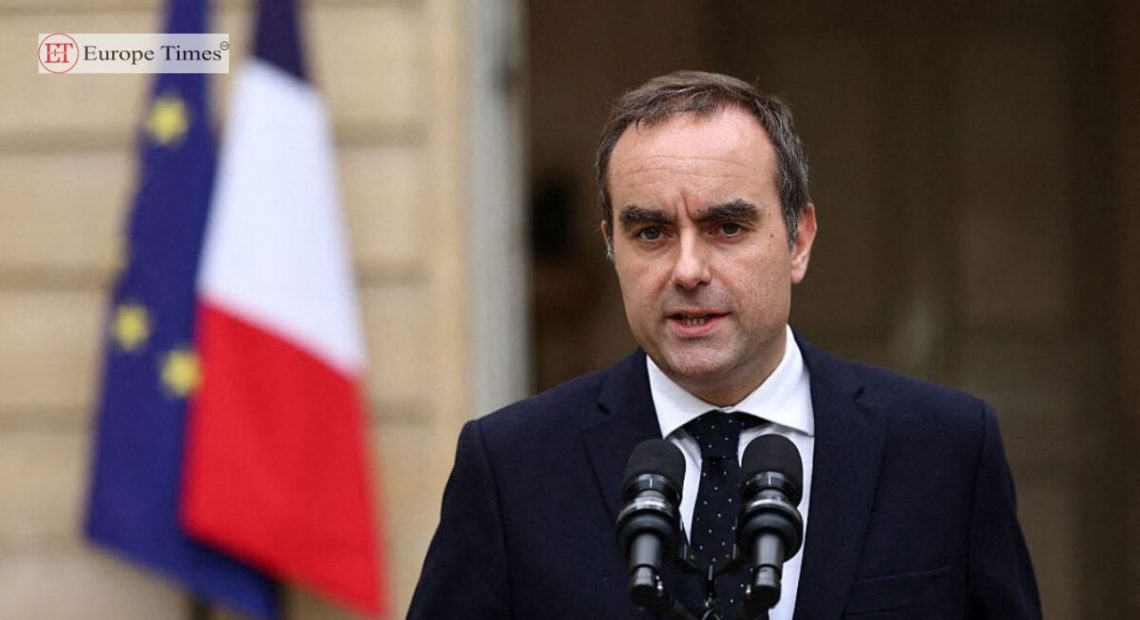
The government of France has announced plans to offset the financial impact of the ongoing Iran crisis by freezing public spending. Rising energy prices and increased borrowing costs linked to the crisis are expected to cost the country between €4 billion and €6 billion. Authorities say the spending freeze will match these projected losses, helping stabilize public finances.

Finance Minister Roland Lescure stated that higher bond yields alone could add €3.6 billion to France’s borrowing costs. Meanwhile, the government is preparing targeted support measures to help households cope with surging energy prices. These measures are expected to prioritize workers who rely heavily on fuel, reflecting growing concerns over the cost-of-living impact.

Despite the planned response, the government faces mounting political pressure for broader relief measures. While some groups are calling for fuel tax cuts, others are pushing for caps on energy prices. However, with one of the largest budget deficits in the eurozone, officials insist that any support must remain limited and carefully targeted to avoid further straining public finances.

Pic courtesy: google/ images are subject to copyright

featured News Trending

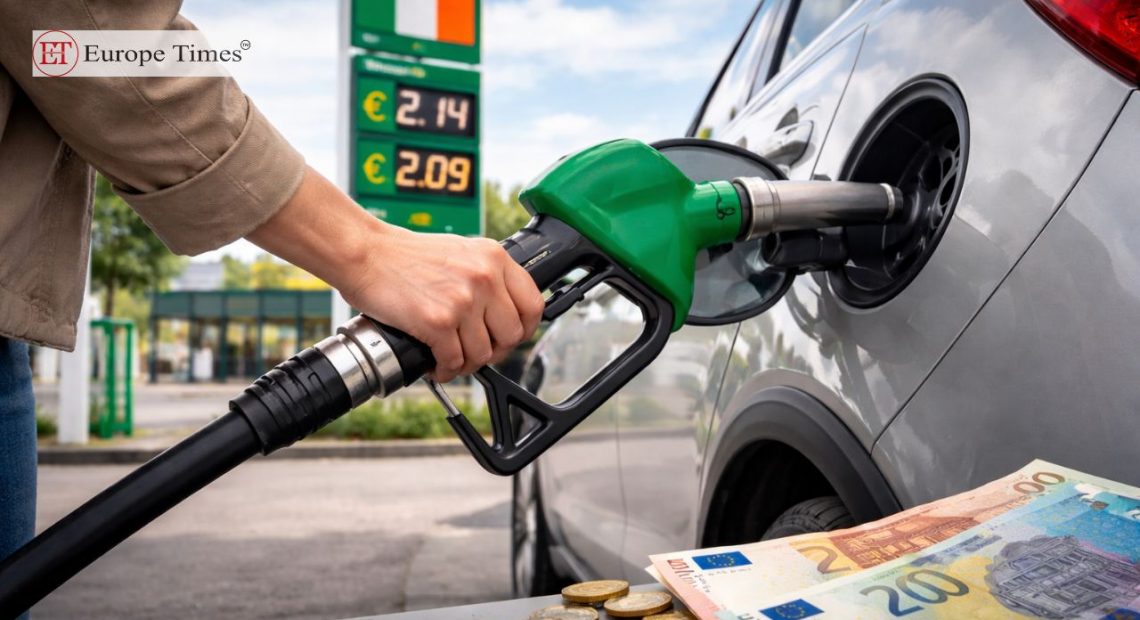
The Irish government has announced plans to reduce excise duty on petrol and diesel in an effort to ease pressure on motorists facing sharp fuel price increases linked to ongoing conflict in the Middle East. The temporary measures, expected to take effect from midnight Wednesday until the end of May, will lower diesel duty by 20 cents per litre and petrol by 15 cents per litre, pending cabinet approval.

Fuel prices have surged in recent days, with diesel rising from around €1.80 per litre to between €2.20 and €2.30, while petrol prices climbed close to €2 per litre. In addition to the duty cuts, authorities are preparing a backdated diesel rebate scheme aimed at supporting hauliers and bus operators, along with reductions for agricultural and green diesel users.

The broader support package, estimated to cost €235 million, will also include targeted energy assistance for pensioners, carers, and people with disabilities. Irish Prime Minister Micheál Martin noted that recent diplomatic developments involving the United States and Iran had helped lower crude oil prices but declined to confirm whether the changes would alter the government’s planned relief measures.

Pic courtesy: google/ images are subject to copyright

featured News

French Prime Minister Sebastien Lecornu has pressed lawmakers to pass the 2026 national budget before the end of the year, following the lower house’s rejection of key tax provisions. The bill now moves to the Senate, where a review will begin immediately, amid rising political tensions within France’s fragmented parliament.

Lecornu said there is still time to reach consensus and called on opposition groups to avoid blocking the legislative process. With President Emmanuel Macron’s minority government facing intense pressure from both the far right and far left, any setback could trigger a no-confidence vote that may topple the prime minister. He said he would meet party leaders in the coming days to negotiate a compromise.

Once the Senate debates the proposal, a joint committee will attempt to reconcile differences between the two chambers before a final vote in the lower house. Lecornu stressed that the government is determined to keep next year’s deficit below 5% of GDP, despite major revisions expected to the initial plan, which includes over €30 billion in deficit reduction primarily through spending cuts and selective tax increases.

Pic Courtesy: google/ images are subject to copyright