featured News Trending

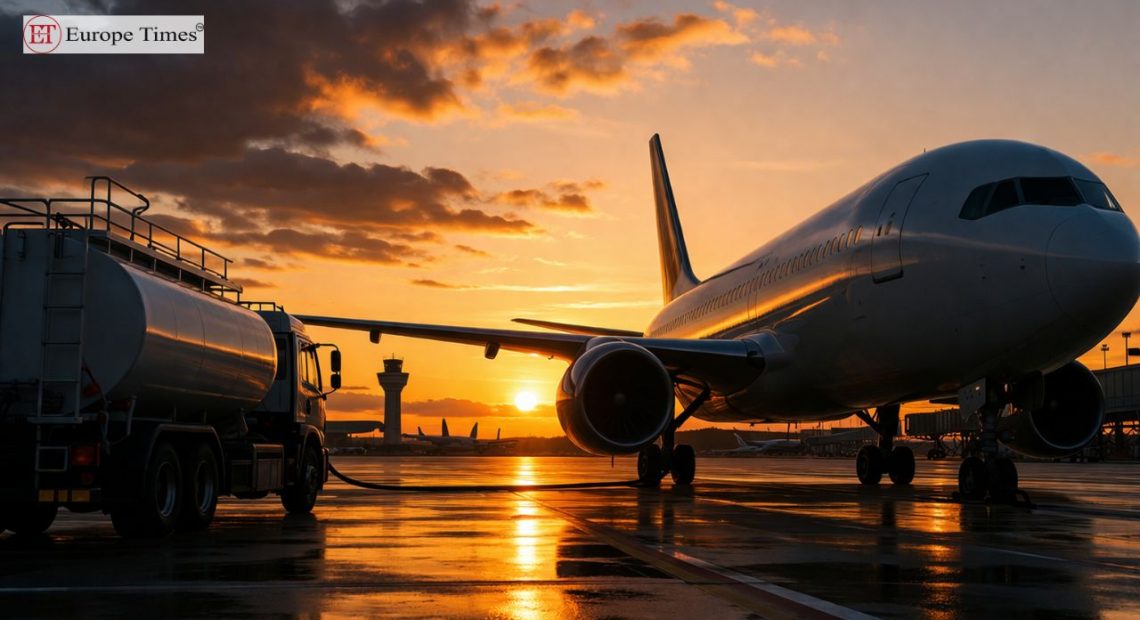
Global airline and travel industries are unlikely to see immediate relief despite the U.S.-Iran ceasefire, as jet fuel supply disruptions and refinery damage continue to strain operations. Aviation leaders warn that even if the Strait of Hormuz reopens, it could take months for jet fuel supplies to stabilize due to ongoing disruptions in Middle East refining capacity.

Airlines are already facing rising operational costs, with fuel prices more than doubling since the conflict began. Carriers are cutting flights, increasing fares, and adjusting routes to manage higher expenses, while major airlines expect billions in additional fuel costs in the coming months. Fuel remains the second-largest expense for airlines, making recovery slower despite falling crude oil prices.

Although airline stocks surged on hopes of improved supply and safer travel routes, the broader travel and tourism sector will take longer to recover. Cruise ships remain stranded in key Middle East ports, and experts say tourism sentiment could take several months to return as safety perceptions gradually improve.

Pic courtesy: google/ images are subject to copyright

featured News Trending

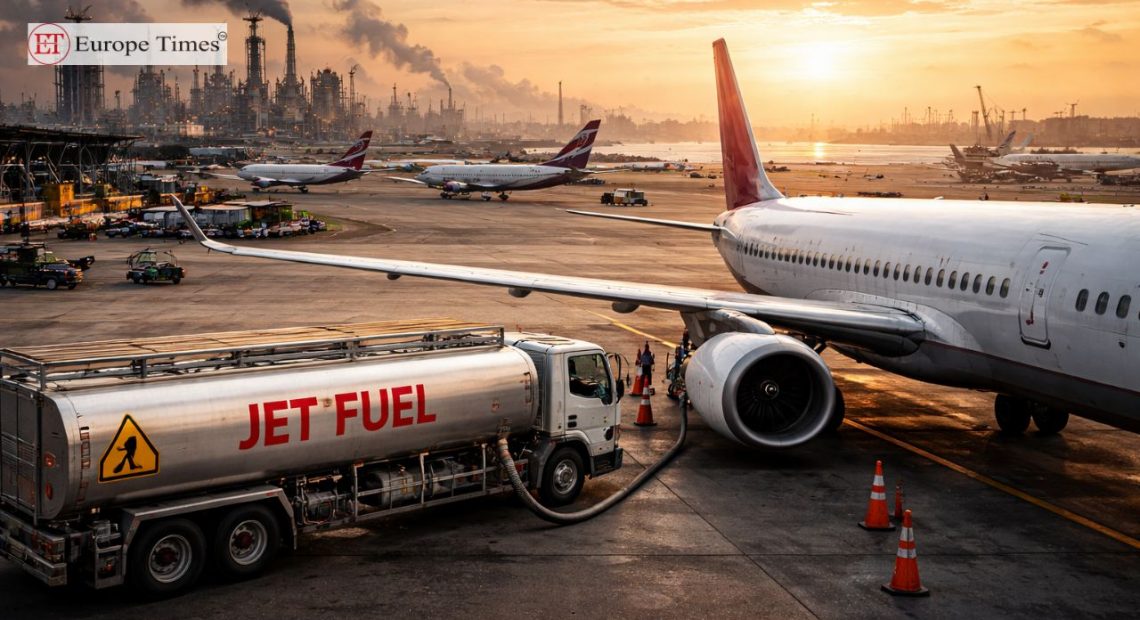
Global airlines are raising ticket prices and reducing flight capacity as soaring oil prices sharply increase operating costs, creating uncertainty for the industry’s profitability. The sudden spike in jet fuel prices, triggered by geopolitical tensions in the Middle East, has forced carriers to rethink pricing strategies and route planning, even as higher travel costs threaten to weaken consumer demand.

Before the conflict-driven fuel surge, airlines had projected record global profits of $41 billion in 2026. However, the doubling of jet fuel prices has disrupted those expectations, prompting airlines such as United Airlines, Air New Zealand, and SAS to introduce fare hikes, fuel surcharges, and capacity cuts. Analysts warn airlines face a difficult balance — raising fares to offset costs while potentially lowering prices later to stimulate demand if travelers cut back on spending.

Despite record passenger traffic in recent years, supply-chain issues and delayed aircraft deliveries limit airlines’ ability to reduce costs through fleet upgrades. Low-cost carriers may be hit hardest as price-sensitive travelers shift to cheaper transport alternatives. Experts say financially stronger airlines with solid balance sheets are better positioned to withstand the ongoing oil shock, while weaker carriers could face mounting financial pressure.

Pic courtesy: google/ images are subject to copyright